


What are the key questions to ask your water pipe supplier?
- Quality, standards, and certification
- Product suitability and technical specifications
- Logistical and operational capabilities
- Pricing and support
- Reputation and service
Overview
- Sourcing water pipes in the Philippines requires procurement officers to ensure quality, compliance, and reliable supply to avoid costly delays and operational risks.
- Verifying standards, testing samples, and confirming operational capacity ensure projects run smoothly.
- This guide covers five essential question categories to help procurement officers evaluate suppliers and make well-informed sourcing decisions.
When sourcing water pipes, procurement officers often face the challenge of ensuring quality, compliance, and reliability across every stage of a project. Without a structured approach to supplier evaluation, the risk of receiving substandard materials, missing compliance requirements, or encountering supply disruptions increases significantly.
Asking the right questions changes that. Knowing the key questions to ask your water pipe supplier gives your procurement team a practical framework for assessing credibility, product quality, and operational capability before committing to any supplier.
This article walks through five question categories to help you separate reliable suppliers from those that will cost your project more in the long run.
Quality, Standards, and Certification
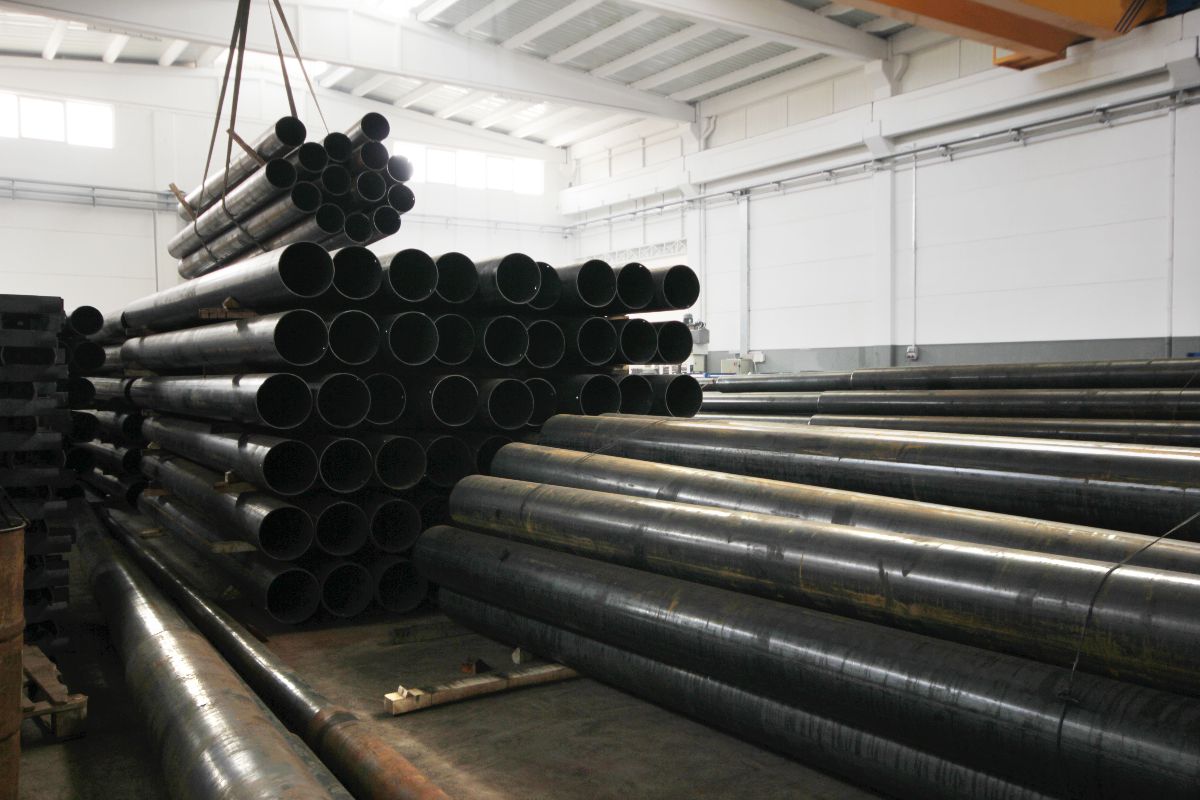

Failure to meet regulatory and quality standards during the inspection of water pipes can cause a compliance penalty. Procurement officers should ensure that the products are certified under national and international standards to prevent this risk effectively.
Do your pipes meet local and international standards?
Confirm that any supplier you are evaluating can demonstrate compliance with PNS or ASTM standards before progressing further in your assessment. Compliance defines material specifications, testing, and performance requirements that prevent leaks, corrosion, and public health risks, while also ensuring compatibility across suppliers and streamlining construction approvals under the DPWH and National Plumbing Code. Suppliers unable to provide this confirmation upfront should be eliminated from your evaluation.
Can you provide Mill Test Certificates?
Request Mill Test Certificates (MTCs) for every batch before accepting delivery. MTCs provide detailed information on chemical composition, mechanical properties, and test results that confirm materials meet required standards. Securing MTC documentation at the sourcing stage gives your team a verifiable paper trail for every material on site and protects your project from regulatory exposure.
Product Suitability and Technical Specifications
Premature failure and operational disruptions often result from selecting water pipes without verifying their technical suitability. Pipe specifications must align with project requirements, operating pressure, and environmental conditions. This verification ensures reliable system performance and minimizes operational risks.
What is the material composition and pressure rating?
Request the steel grade, tensile strength, and pressure specifications from your supplier and cross-reference them against your project requirements. PNS 26:2018 requires low-carbon steel grades comparable to ASTM A53 Grade B for strength and durability. Pipes with unverified material composition or incorrect pressure ratings are a direct cause of leaks and bursts that generate costly rework and compliance exposure.
Is the pipe corrosion-resistant?
Ask for corrosion resistance documentation including zinc coating thickness test reports and compliance records against PNS or equivalent standards. In most builds in the Philippines, galvanized iron (GI) pipes are preferred for their zinc coating, which protects against rust in moist environments. Verifying corrosion resistance at the sourcing stage reduces the risk of premature pipe deterioration and the replacement costs that follow.
Logistical and Operational Capabilities
Late deliveries or insufficient quantities can slow project progress and disrupt operations. Procurement officers must assess whether suppliers can meet deadlines and consistently adhere to agreed timelines.
What is your production capacity and delivery time?
Request verified proof of production capacity and lead time commitments, such as delivery logs or fulfillment records from comparable projects are reliable indicators of whether a supplier can consistently meet your schedule requirements. Suppliers with limited depots or regional distribution points often struggle to maintain adequate supply volumes, making capacity verification a critical step before any bulk commitment.
Can you provide samples for testing?
Require samples before committing to bulk orders. Testing one sample per 500 lengths, as recommended by DPWH specifications, provides statistical confidence in quality while avoiding unnecessary costs. Validating sample quality alongside logistics capacity before finalizing any bulk commitment protects your project timeline and reduces the risk of supply disruptions mid-execution.
Pricing and Support
Unclear or unpredictable water pipe pricing can strain project budgets and delay procurement approvals. Procurement officers must request transparent cost structures to avoid unexpected overruns.
Are there volume discounts or flexible, long-term pricing available?
Push for a detailed quotation that breaks down material costs, delivery fees, and any miscellaneous charges before agreeing to any terms. Volume discounts and long-term pricing arrangements give your procurement team a stable cost baseline that supports accurate budget planning and reduces exposure to unexpected price increases over the project duration.
What is your return policy?
Clarify the supplier’s return and replacement procedures before placing any order. Ambiguous or restrictive return policies create project delays when defective pipes are delivered, and resolving them without a clear process inflates both costs and timelines. Securing clearly defined return terms upfront gives your team a documented resolution path and reduces the financial exposure that comes with non-conforming material deliveries.
Reputation and Service
A supplier with a proven track record and dependable service minimizes project risks and ensures smooth execution. Procurement officers should ensure that suppliers are experienced and capable of supporting projects even after the initial purchase.
How long have you been in the industry?
Review the supplier’s years of operation and the sectors they have served as a baseline for reliability. Suppliers with established industry experience demonstrate a deep understanding of sector requirements, enabling them to anticipate procurement challenges and resolve them before they affect your project.
Do you offer technical support or installation guidance after the sale?
Evaluate whether the supplier provides post-sale technical guidance, troubleshooting, and installation assistance — not just transactional fulfillment. Suppliers that prioritize long-term reliability reduce the risk of installation delays and operational issues after delivery. Supreme Pipe meets all five of these evaluation criteria — from PNS-certified products and verified logistics capacity to transparent pricing, clear return procedures, and responsive technical support — making us a dependable water pipe supplier for procurement teams across the Philippines.
Key Takeaway
Procurement officers who know the key questions to ask their water pipe supplier enter every sourcing decision with the framework to filter out risk before it reaches their project site.
Partnering with trusted suppliers like Supreme Steel Pipe, who provide PNS-certified products, technical support, and proven logistics, helps secure consistent quality and smooth project execution. For guidance on sourcing high-quality water pipes, contact Supreme Steel Pipe here.