Structural Steel Pipes
Structural steel pipes and tubes are considered for foundations, frameworks, supports and temporary works. Selection starts with the engineer’s loads and connection design.
Explore this application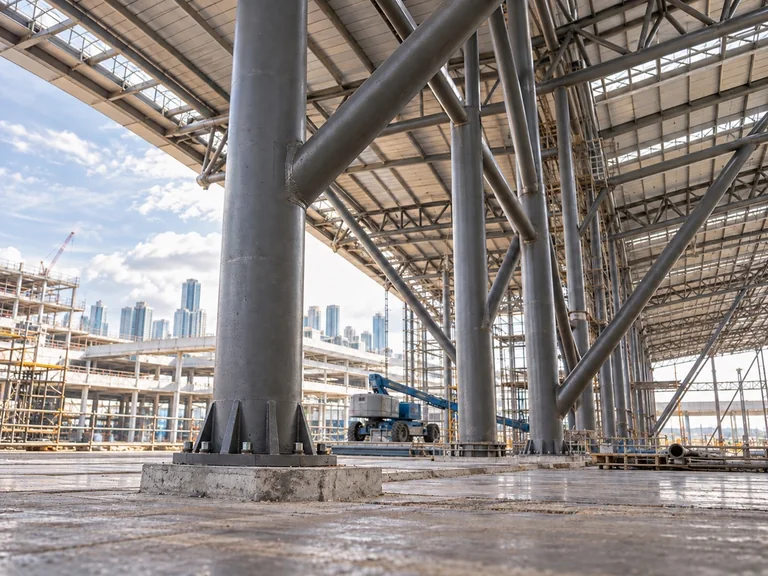
Work from the structural design.
Frames, poles and safety rails
Compare heavy-gauge pipes and lightweight steel tubes against the specified section, wall and grade. Loads, spans, buckling, deflection and connections matter alongside diameter. Fences, signage poles, handrails and guards also need wind, impact, embedment and safety requirements.
Piling and casing
Review LSAW pipes and SSAW pipes where the engineer specifies them. Axial and lateral loads, ground conditions, driveability, splices and corrosion allowance govern piling; casing also needs clearance and installation requirements.
Scaffolding and temporary works
Use engineered components, approved configurations, inspections and safety procedures. A pipe or tube family name does not establish suitability for a scaffold or load-bearing member.
Protection and fabrication
Follow the structural specification and relevant steel pipe standards for material, tolerances and traceability. Coordinate welds, bolts and field joints. Galvanizing is not maintenance-free: cut edges, welds, damage, drainage and exposure still need attention.
Tell us about your structural project.
Share the drawings or specification and the pipe quantities your project requires.
Request a quote