Identify what is being priced.
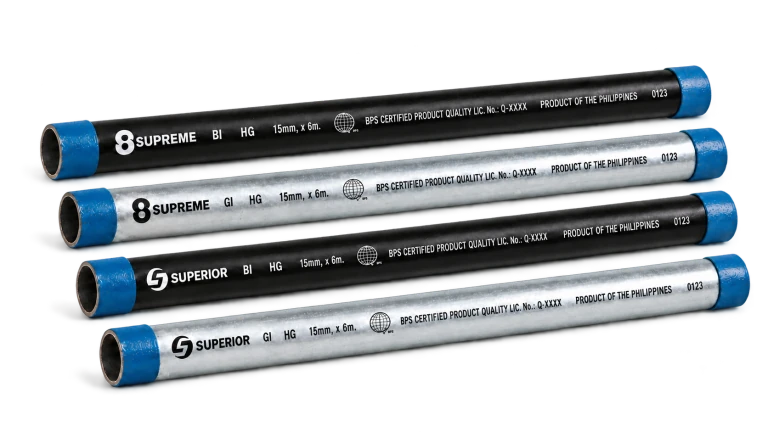
Black iron means ungalvanized steel pipe. Compare heavy-gauge pipes and light-gauge pipes against the project specification. Confirm the wall and grade rather than ordering by diameter alone.
Steel input, manufacturing and processing, dimensions, wall, length, ends and any coating affect cost. Testing, documents, order volume and logistics can also change a quotation. Ask for a dated quote because market costs change.
Compare the same pipe and quotation unit.
Check the standard, grade, actual dimensions and wall or schedule before accepting an alternative. Use steel pipe sizes to understand the terms and product standards to check the specified standard.
A price per piece is only comparable when the quoted lengths match. Convert offers to the same unit and quantity, then check whether a cheaper line uses a thinner wall, shorter length, different finish or missing documents.
Check the delivered cost.
Separate the pipe price from taxes, freight, unloading and other exclusions. Confirm payment terms, delivery arrangements and how long the price remains valid. Outdoor, wet or industrial exposure may also require protection and maintenance that a bare-pipe price does not include.
Give the supplier one clear requirement.
Send the bill of quantities or drawings with the product specification, length, ends and quantities. Include the destination, required date and documents your project needs. Ask the supplier to flag any differences from your request and confirm availability in writing.