Overview
- Hidden costs arise during procurement and logistics, installation and project management, and ongoing operation and maintenance.
- Planning for these factors early ensures efficiency, prevents costly setbacks, and safeguards long-term system performance.
- Partnering with a reliable supplier like Supreme Pipe helps builders minimize unexpected expenses, maximize durability, and achieve cost-effective, value-driven results.
It’s easy to focus only on the price per foot of a steel pipe, but the true cost of a project goes beyond the material. Galvanized iron (GI) pipes are essential in construction, carrying clean water and wastewater while providing strength and durability.
Because these pipes are often installed inside walls or underground, mistakes or overlooked requirements can become expensive to fix. Hidden costs that can affect your GI pipe budget are not just unexpected expenses—they are necessary investments to protect your pipes and ensure the system performs as intended.
Planning for these costs upfront helps keep projects on schedule, safeguards your investment, and ensures the piping system functions efficiently for years.
Procurement and Logistics
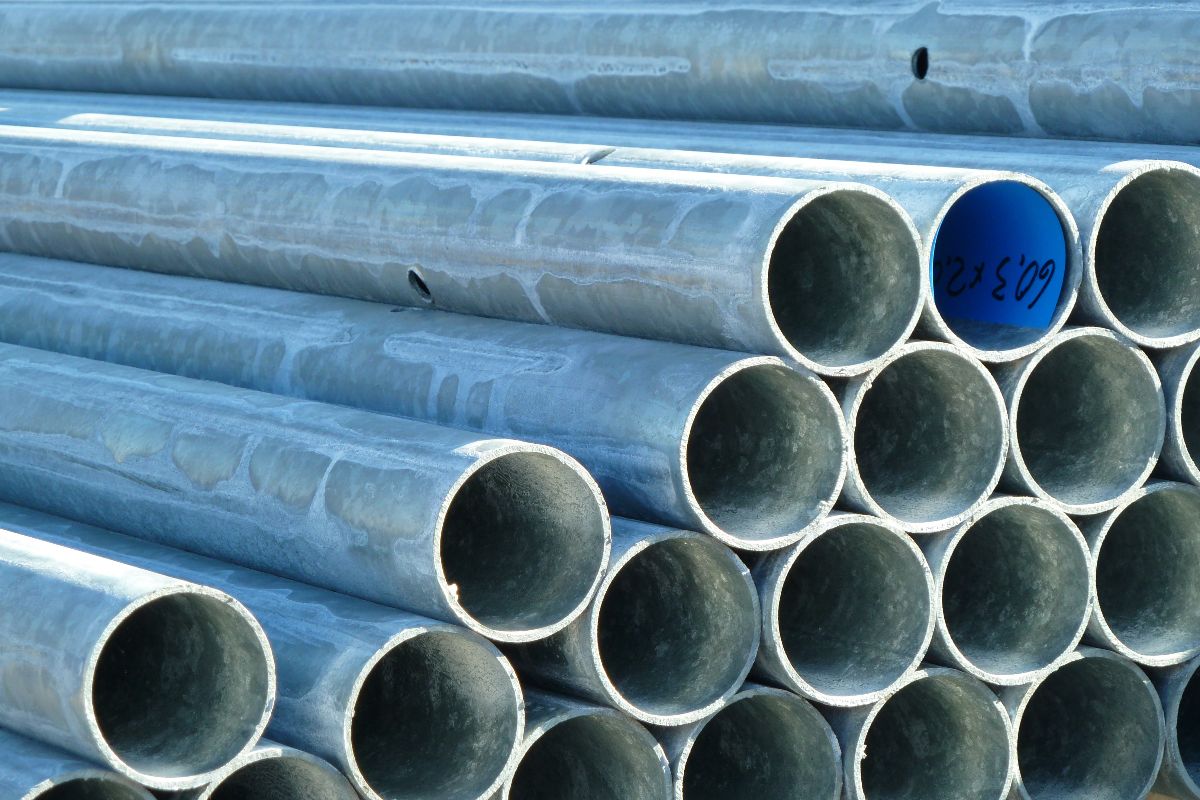
Before a project can even begin, getting the right materials to the site efficiently is crucial. The procurement and logistics phase can significantly influence both timelines and costs.
From sourcing high-quality pipes to ensuring they arrive safely and on time, careful planning is essential. Understanding these factors helps you anticipate challenges, avoid delays, and manage expenses effectively before installation even starts.
Transportation and Delivery
GI pipes are bulky and require careful handling. Transporting them from warehouses or ports to the project location may involve special loading equipment, multiple trips, or higher fuel charges—especially for long routes or remote sites.
Weather, traffic restrictions, or road access issues can also require additional labor or delivery adjustments, which add to the final bill.
Supply Chain Disruptions
When supply tightens, contractors might need to source pipes from alternative suppliers or settle for expedited deliveries—both of which increase costs.
Even minor delays can affect the scheduling of other trades, creating a ripple effect across the project timeline.
Import Duties and Government Policies
When GI pipes or raw materials are imported, tariffs, customs duties, and compliance fees come into play. These charges vary depending on current government policies or trade regulations.
If paperwork is incomplete or requirements change unexpectedly, the project may face penalties, processing delays, or additional administrative costs that were not initially included in the budget.
Installation and Project Management
Once materials arrive on site, proper installation is critical to the success and longevity of your piping system. Effective project management ensures that labor, equipment, and site conditions are coordinated to minimize errors and reduce risks.
Investing in this stage protects your pipes, prevents costly rework, and keeps the project moving according to schedule.
Labor and Equipment
GI pipe installation is more than simply connecting segments. Tasks like cutting, threading, joining, and securing the pipes all require trained workers.
Labor becomes more expensive when the project demands overtime, on-call crews, or specialized technicians. Additionally, renting tools such as threading machines, lifts, or scaffolding adds to installation expenses, especially on larger sites.
Welding and Safety
Projects requiring welded joints introduce another set of costs. Welding must meet industry safety standards and often requires certified welders, safety inspectors, and proper protective equipment.
Fire protection, ventilation systems, and site barricades may also be necessary. These precautions safeguard workers and the building but add to the overall installation budget.
Site Preparation and Conditions
If the ground is uneven, cluttered, or difficult to access, workers must spend extra time preparing the area. Tight spaces, multi-level buildings, or hard-to-reach corners may require additional manpower or equipment.
Unexpected obstacles, like existing utilities or structural limitations, also require adjustments that can extend installation time and increase expenses.
Operation Use and Maintenance
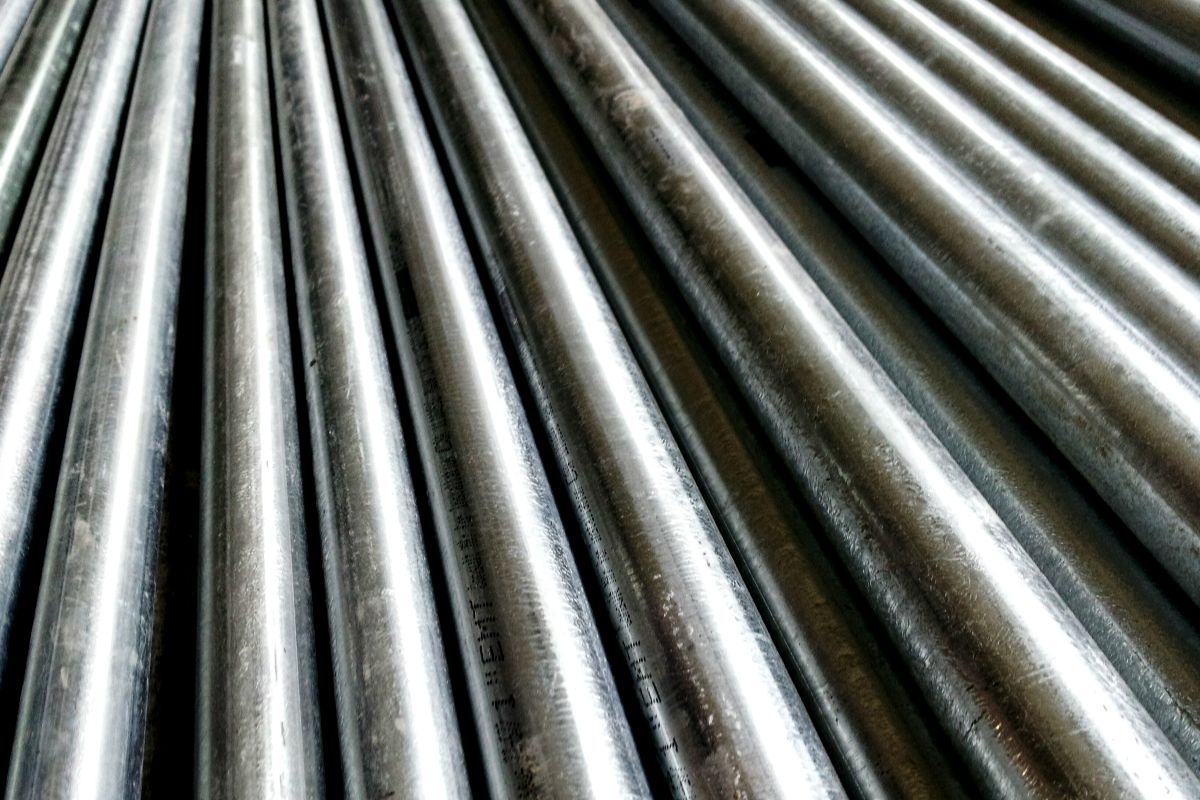
Even after installation, the performance and longevity of GI pipes depend on ongoing care. Operational use, environmental conditions, and maintenance practices all influence how well the system functions over time.
Investing in proper upkeep helps prevent failures, reduces repair costs, and ensures your piping system continues to deliver efficient water flow.
Corrosion and Maintenance
Although GI pipes are known for durability, exposure to moisture, chemicals, or poor water quality can accelerate corrosion. Preventing these issues may require protective coatings, regular inspections, or additional treatments.
Maintenance crews might also need to be deployed periodically, adding to operating costs over the years.
System Failure and Damage
Leaks, cracks, or joint failures can result from incorrect installation, shifting soil, or pressure imbalances. These problems often require immediate attention to prevent further damage to walls, flooring, or surrounding infrastructure.
Emergency repairs typically cost more than planned maintenance and can disrupt the entire pipeline system.
Reduced Water Pressure
Sediment buildup, partial blockages, or corrosion inside the pipe can restrict water flow. Addressing these issues involves cleaning, flushing, or replacing affected sections.
Reduced performance can also impact appliances or fixtures connected to the pipeline, adding more indirect costs to the project.
Repairs and Replacements
Over time, certain sections of the GI piping system may need reinforcement, repair, or full replacement. Budgeting for these long-term needs ensures that you avoid surprise expenses.
The cost of manpower, replacement parts, and potential downtime can quickly add up if these repairs are not anticipated early.
Get Value-driven Pipes with Supreme Pipe
Choosing a reliable supplier is one of the most effective ways to avoid unexpected expenses later in the project. At Supreme Pipe, we deliver consistently high-quality steel and iron pipes backed by strict testing, including 100% hydrotesting and zinc-coating inspections. This ensures every pipe meets industry standards for durability, corrosion resistance, and long-term performance.
Our wide product range allows builders to source materials suited to various applications without compromising quality. Each pipe is manufactured using advanced galvanizing and welding processes, producing smoother finishes, stronger joints, and longer service life. These qualities help prevent common issues like premature corrosion, leaks, or structural weaknesses.
We also support cost efficiency through dependable supply and well-coordinated logistics. With nationwide availability, competitive pricing, and ISO- and PNS-certified quality, builders can count on timely deliveries and materials that perform as expected.
This combination of reliability, value, and technical excellence makes Supreme Pipe a strong partner for projects that demand both quality and long-term savings.
Key Takeaway
Understanding that hidden costs that can affect your GI pipe budget is less about avoiding spending and more about investing wisely. Every decision shapes the longevity and efficiency of your piping system. Overlooking these factors can turn a seemingly straightforward project into a chain of preventable expenses.
Quality materials, reliable supply, and proper guidance are not optional—they are essential safeguards. Supreme Pipe provides pipes that combine durability, precision, and consistent availability, helping builders mitigate risks before they escalate into costly problems.
By planning strategically and partnering with a supplier who prioritizes both performance and value, you gain control over your budget while ensuring a system that lasts. Contact us today to make informed choices and build projects that deliver long-term results.
Share this blog