What are the factors to evaluate GI pipes for urban projects?
- Corrosion resistance and environmental factors
- Physical and structural specifications
- Regulatory and standards compliance
- Application-specific performance
- Cost and logistics
Overview
- This article outlines the key technical and procurement considerations behind GI pipe selection, focusing on how performance is shaped by a range of influencing factors.
- It also explains how these factors interact in real-world infrastructure planning, from high-rise systems to water distribution and fire protection networks.
- By examining both technical attributes and procurement realities, the discussion helps buyers assess long-term value, minimize project risks, and ensure reliable material performance.
Urban infrastructure projects require careful planning when selecting piping materials, especially in densely developed areas where systems must operate under constant pressure, moisture exposure, and space constraints. In these conditions, performance issues in galvanized iron (GI) pipes can directly affect safety and long-term service reliability.
This is why procurement teams often look at specific factors to evaluate GI pipes for urban projects, particularly in systems such as water distribution, fire protection, and building utilities where failure is not an option.
In this article, we will take a closer look at these considerations that help ensure both compliance and long-term value in urban piping systems.
Corrosion Resistance and Environmental Factors
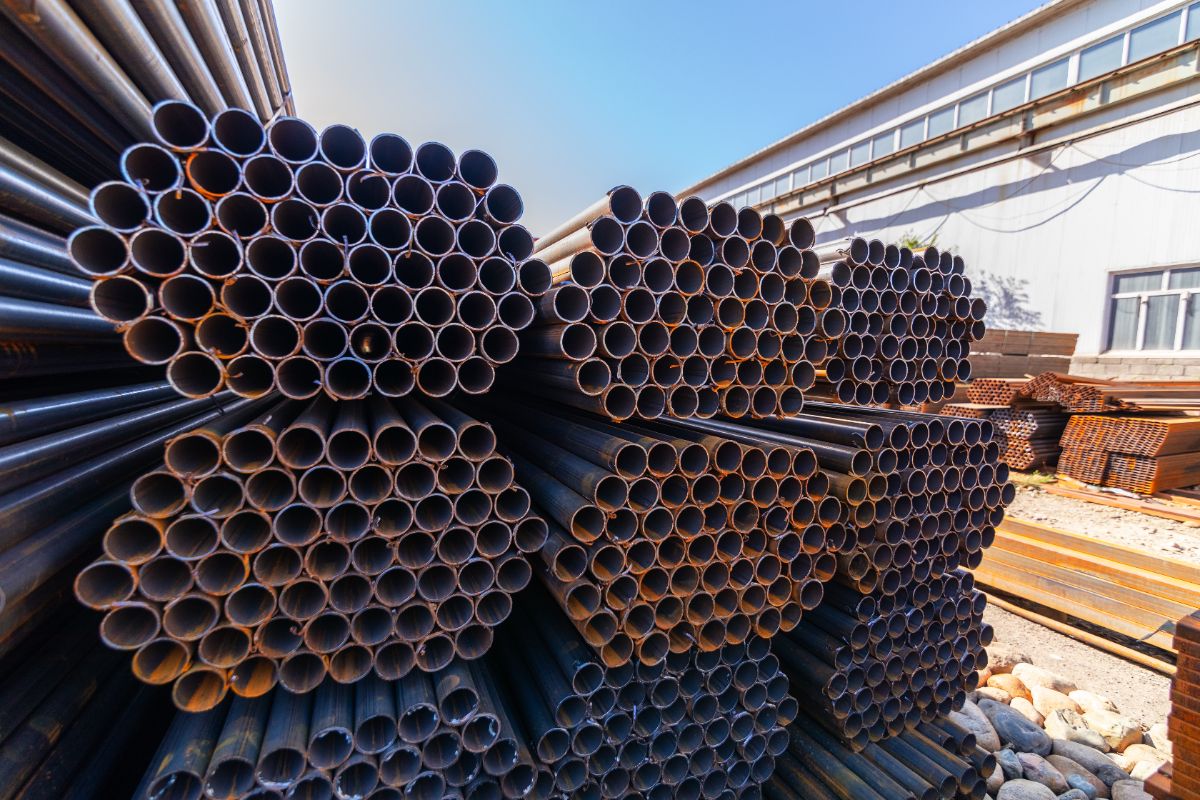
In the Philippines, GI pipes are routinely installed in environments where moisture, salt-laden air, and airborne pollutants can affect long-term material performance. These conditions place continuous stress on exposed metal surfaces, making corrosion resistance a critical consideration in urban infrastructure projects.
One of the main factors influencing corrosion resistance is the zinc coating applied during the galvanizing process. This protective layer acts as a barrier between the steel and the surrounding environment, helping slow the onset of rust and surface degradation. The effectiveness of this protection depends on the consistency and quality of the coating.
As an example of controlled manufacturing and quality consistency, Supreme Pipe produces galvanized iron pipes through hot-dip galvanizing processes designed to support corrosion resistance in demanding applications.
Physical and Structural Specifications
Wall thickness, or pipe schedule, and steel grade quality determine how reliably GI pipes can perform under pressure loads, traffic-induced vibrations, and structural stresses. These specifications define how well the pipe can withstand real installation and operational conditions without compromising safety or long-term performance.
For example, Schedule 40 pipes have thicker walls, making them more suitable for high-pressure water mains, gas lines, and structural support applications. In contrast, Schedule 20 is typically used for lighter applications where structural demand is minimal.
High-grade steel quality, including tensile strength of 50,000 PSI or higher, also helps resist mechanical damage from soil movement or vehicle loads. Incorrect specification of wall thickness or pipe schedule can result in deformation, reduced pressure capacity, or premature structural failure under load conditions.
Regulatory and Standards Compliance
Compliance is a way to verify that the product has passed required testing and meets manufacturing standards before it is introduced to the market.
Standards such as ASTM A53 and Philippine National Standards (PNS) define minimum requirements for material strength, dimensional accuracy, and manufacturing consistency, helping ensure predictable performance in construction applications. Pipes manufactured under these recognized standards are suitable for structural, mechanical, and pressure applications, including water and gas systems.
These requirements are also aligned with local regulations under the National Building Code, National Plumbing Code, and Fire Code, which help ensure proper installation performance and system safety in urban infrastructure projects. Non-compliance with recognized standards can result in inconsistent product quality, installation difficulties, and increased risk of system performance failure over time.
Application-Specific Performance
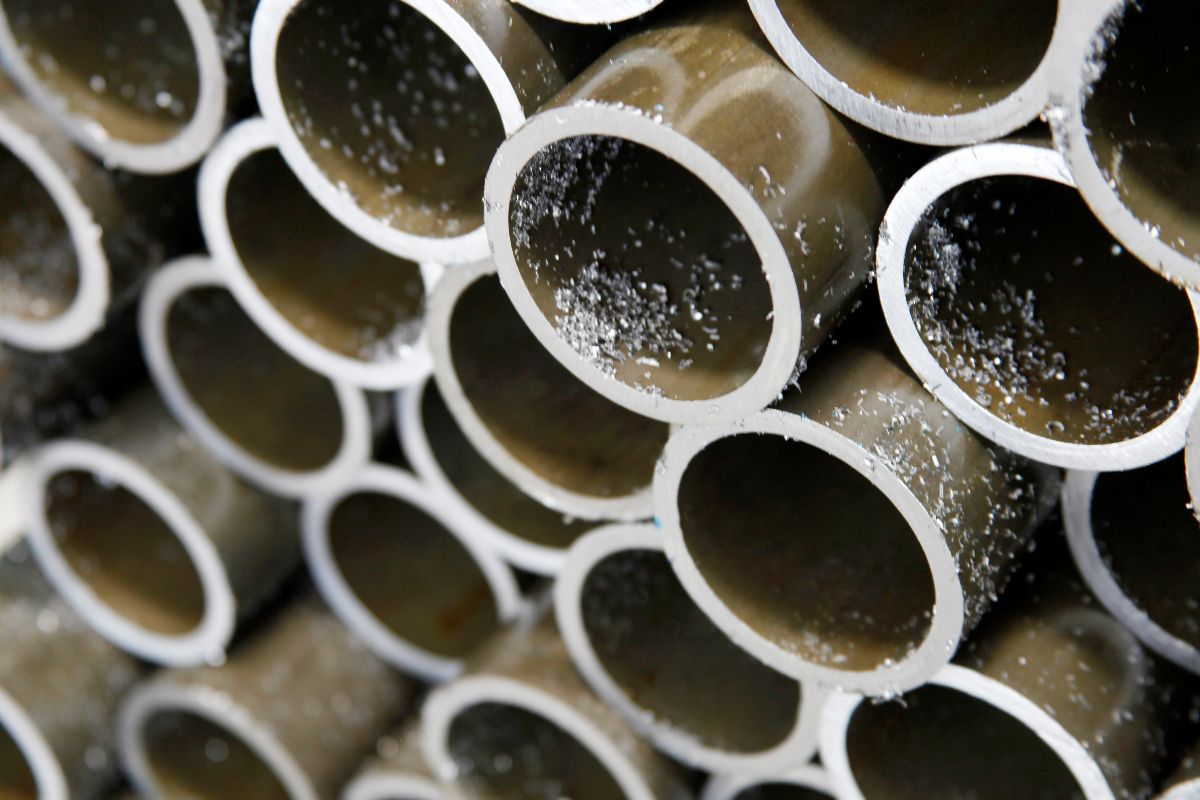
Not all GI pipes perform the same way across different systems, which is why it is essential to evaluate their behavior in specific applications. Application-specific performance determines whether GI pipes can deliver optimal results in urban water, gas, sewage, or fire protection systems.
Specifically, GI pipes are well-suited for potable water applications due to zinc’s inert properties, which support safe water conveyance. They also perform well in fire sprinkler systems, where their high melting point and structural integrity allow them to withstand heat and pressure while ensuring reliable water flow.
This ensures compliance with standards such as NFPA 13 and the Philippine Fire Code, especially in high-rise urban buildings where system reliability is critical.
Cost and Logistics
Even well-specified materials can face challenges during procurement if cost and logistics are not properly considered. For GI pipes in urban projects, these factors directly impact project timelines, budgets, and long-term viability.
While GI pipes may have a higher upfront cost than plain steel, this is often balanced by their long service life of 30 to 50 years, low maintenance needs, and reduced downtime. Over time, this results in high savings for the total cost of ownership.
Working with established suppliers like Supreme Pipe helps ensure consistent quality through proper mill testing, reducing risks of defects, delays, and unreliable imports in critical projects.
Key Takeaway
Making informed procurement decisions starts with understanding the factors to evaluate GI pipes for urban projects, especially when balancing safety, compliance, performance, and long-term cost efficiency. From corrosion protection to logistics, each factor plays a critical role in ensuring reliable urban infrastructure.
For procurement officers seeking dependable, standards-compliant piping solutions, Supreme Pipe provides high-quality galvanized iron pipes designed for long-term urban performance. To learn more or get project-specific support, you may contact us now for expert assistance.
Share this blog