Overview
- This article explains how rainy weather can affect galvanized iron pipe costs through higher project demand, delivery challenges, stock movement, and site storage concerns.
- It also discusses why procurement officers and project managers should look beyond the listed pipe price and consider total delivered cost, lead time, availability, and specification fit.
- By planning orders early and working with a reliable supplier, construction teams can reduce rushed buying decisions and keep rainy-season projects better controlled.
Rainy weather can affect more than outdoor construction schedules. It can also change how galvanized iron pipes are sourced, delivered, stored, and priced for projects that need materials during the wet months.
For construction project managers and procurement officers, this makes price planning more important. When reviewing the galvanized iron pipe price in the Philippines, the listed pipe cost is only one part of the decision. Buyers also need to consider demand, delivery timing, product availability, and the condition of the site where materials will be received.
Understanding how rainy weather can influence galvanized iron pipe costs in the Philippines helps project teams prepare before urgent requirements, transport concerns, or limited stock affect the budget. Read on to learn the main factors that can change costs and how to plan procurement more carefully.
Why Rainy Weather Can Affect GI Pipe Costs
Galvanized iron pipes are steel pipes coated with zinc to help protect the material from corrosion. This makes them useful for applications exposed to moisture, including plumbing, water distribution, outdoor utility runs, drainage support, and selected infrastructure work.
During the rainy season, many of these applications become more urgent. Flooded areas may need drainage improvements, existing water systems may require repairs, and ongoing projects may speed up procurement before access roads become difficult to use.
These conditions do not always cause an immediate change in base pipe prices. However, they can influence the total cost of securing GI pipes through higher delivery charges, tighter stock availability, shorter decision windows, and additional handling requirements.
Demand Can Rise During Rainy-Season Project Work
One of the most common seasonal effects is stronger demand. When rain exposes weak drainage, corroded lines, or unfinished utility work, more buyers begin looking for the same pipe sizes within a shorter period.
Drainage and Water-Control Requirements
Heavy rain can quickly reveal drainage problems in subdivisions, commercial developments, roads, warehouses, and construction sites. As a result, contractors may need GI pipes for water diversion, drainage support, or repairs that were not originally scheduled for immediate purchase.
For projects in wet or flood-prone areas, understanding how galvanized iron pipes perform in flood-prone areas can help buyers check coating quality, wall thickness, and exposure conditions before placing an order. This keeps the decision focused on suitability, not only on price.
Rushed Purchases Before Site Delays
Some contractors also buy materials earlier or in larger quantities when rain threatens to delay delivery routes or site access. This creates a second demand push, especially for commonly used sizes and specifications.
When several projects purchase at the same time, buyers may have fewer options to compare. Last-minute procurement can also limit room for negotiation because immediate availability becomes more important than finding the lowest quoted unit price.
Delivery and Logistics Can Change the Final Cost
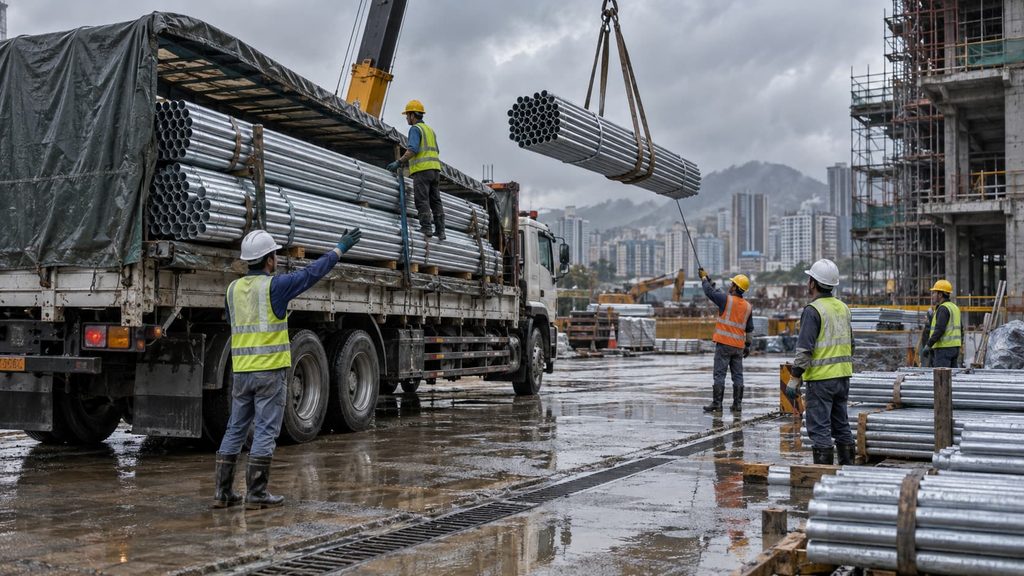
The price a buyer pays for GI pipes is not always limited to the material itself. Delivery conditions can affect the final project cost, especially when pipes must be transported in bulk or delivered to areas with difficult site access.
Flooded Routes and Longer Lead Times
Rain can slow down trucking, create route changes, and make scheduling less predictable. Even a reliable supplier may need more time to coordinate deliveries when roads are flooded, unloading areas are muddy, or site access is restricted.
Planning steel pipe supply before the rainy season helps project teams avoid rushed delivery requests when weather conditions are already affecting routes. It also gives suppliers more time to confirm availability, transport protection, and delivery windows.
Site Access and Unloading Concerns
A delivery can still become costly when the project site is not ready to receive materials. Wet ground, limited staging space, and poor drainage around the unloading area may require extra coordination or additional labor.
Procurement officers should align delivery timing with the site team before confirming an order. This helps prevent materials from arriving when they cannot be properly unloaded, inspected, or stored.
Supply Availability and Specifications Matter
Rainy-season cost pressure can also come from product availability. If the required pipe size, wall thickness, finish, or quantity is not available from one supplier, buyers may need to wait, adjust specifications, or source from another location.
Common Sizes Can Move Faster
GI pipes used for plumbing, water distribution, drainage-related work, and general construction may move faster during the wet months. This can affect buyers who wait until the installation date is near before confirming stock.
If the project can use lighter-duty pipe for appropriate applications, light gauge steel pipes may be considered when the pressure, load, and exposure requirements allow it. For more demanding conditions, heavy gauge steel pipes may be more suitable because they provide greater wall thickness and strength for construction, water supply, and industrial use.
Standards Should Not Be Skipped Under Time Pressure
Urgent rainy-season buying should not lead to weaker specification checks. Contractors still need to confirm dimensions, wall thickness, coating, and applicable standards before accepting materials for the project.
A quick review of product standards can help buyers check important details such as outside diameter, inside diameter, wall thickness, PNS 26:2018 compliance, and average zinc coating for galvanized iron pipe. This is especially useful when comparing quotes that appear similar at first glance.
How Procurement Teams Can Manage Rainy-Season Price Pressure
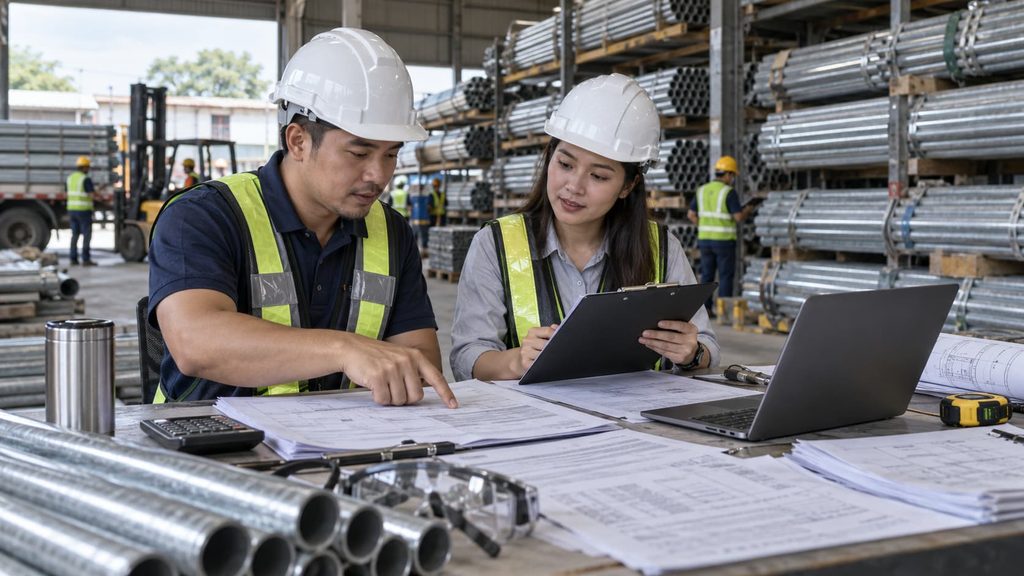
Project teams cannot control the weather, but they can control how early they confirm specifications, suppliers, delivery schedules, and site readiness. A clear procurement plan helps reduce unnecessary cost pressure during the rainy season.
Confirm Pipe Requirements Before Peak Demand
Before asking for quotations, buyers should confirm the required pipe size, length, wall thickness, finish, application, and delivery location. These details help suppliers provide more accurate pricing and availability.
Avoiding common mistakes when purchasing galvanized pipes is especially important when teams are under schedule pressure. Wrong specifications, unverified coating, or unvetted suppliers can create bigger costs once materials reach the site.
Prepare the Storage Area Before Delivery
GI pipes should not be treated carelessly just because they have zinc coating. Pipes should be stored off the ground, protected from standing water, and arranged in a way that allows airflow.
A storage plan also helps the site team inspect materials properly upon arrival. This includes checking quantity, visible condition, coating quality, and documentation before pipes are moved into staging or installation.
Work With a Supplier That Can Support Planning
A dependable supplier should provide clear information on availability, pipe specifications, delivery timing, and supporting documents. This helps procurement teams avoid vague quotations that may lead to surprise costs later.
Before confirming an order, it helps to know what to check before finalizing a galvanized pipe purchase, including coating quality, physical condition, certifications, compatibility, and transport concerns. These checks are easier to complete when the supplier can provide organized product information.
What This Means for Your Project
Rainy weather does not automatically mean GI pipe costs will increase for every project. However, it can create conditions that make procurement more difficult when buyers wait too long to confirm materials.
For project managers and procurement officers, the safest approach is to treat rainy-season buying as a planning issue. Confirm specifications early, compare suppliers carefully, coordinate delivery schedules, and prepare the site for proper receiving and storage.
Key Takeaway
Understanding how rainy weather can influence galvanized iron pipe costs in the Philippines helps project teams avoid rushed orders, unclear specifications, delayed deliveries, and avoidable budget pressure. The right supplier can help you confirm the pipe options, standards, quantities, and delivery schedule needed before rainy-season conditions affect your timeline.
For dependable GI pipe supply, project-specific support, and quality steel pipe solutions for construction and water-related applications, contact Supreme Steel Pipe Corporation today to discuss your requirements and request a quotation.
Share this blog