
What are the common mistakes when purchasing galvanized pipe prices?
- Prioritizing initial cost over quality
- Misunderstanding environmental compatibility
- Using incorrectly for gas lines
- Ignoring material interactions
- Neglecting the inspection of the coating
- Misinterpreting pipe specifications
- Purchasing from unvetted suppliers
Overview
- Procurement officers and contractors who focus solely on galvanized pipe prices risk costly project failures, safety hazards, and compliance violations.
- This guide identifies the seven most critical mistakes made during galvanized pipe procurement and explains how to avoid them.
- Applying these evaluation criteria helps ensure your pipes deliver long-term performance, structural integrity, and regulatory compliance.
Procurement officers are often under intense pressure to secure the lowest galvanized pipe price due to strict budget constraints. A low-cost unit may look like a smart choice, but real costs begin to surface when it arrives on site. Pipes that require rework can quickly place procurement decisions under scrutiny.
In many cases, these outcomes stem from common mistakes in purchasing galvanized pipes based on price-driven assumptions that lead to overlooking detailed specifications. Selecting suppliers solely based on cost can disrupt project timelines and inflate overall expenses.
Prioritizing Initial Cost Over Quality
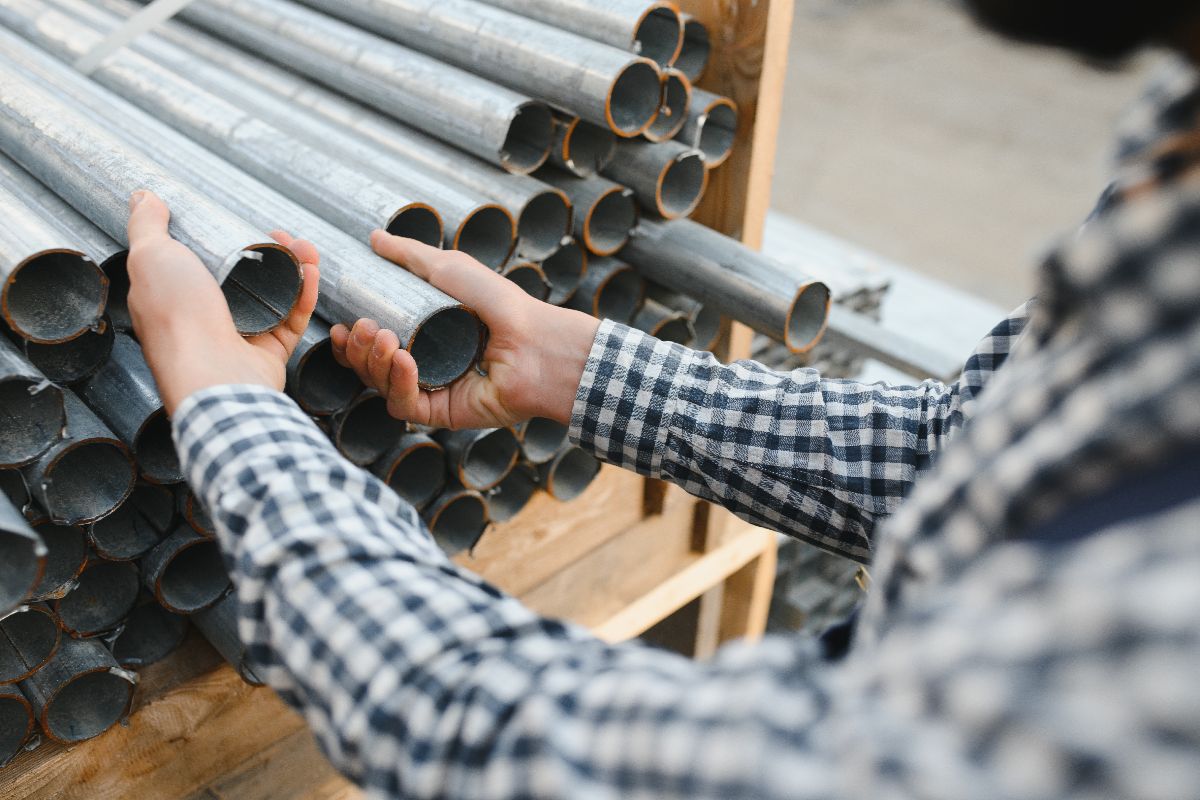
Choosing the cheapest galvanized pipe available often results in higher total expenditure once premature failure, rework, and replacement costs are factored in.
Mistake: Choosing low-cost galvanized pipes that come with quality trade-offs.
Consequence: Low-cost units are often achieved by reducing coating thickness or using lower-grade raw materials. These shortcuts accelerate corrosion and structural failure that may lead to safety risks in construction applications.
What to do: Long-term value is better secured through suppliers certified to PNS 26:2018 who meet industry standards. High-quality galvanized products use advanced hot-dip galvanization with a blowing system that provides superior rust and corrosion resistance, reducing maintenance costs and extending service life across construction applications.
Misunderstanding Environmental Compatibility
Installing galvanized pipes without accounting for site-specific conditions, such as water chemistry, humidity, and temperature, accelerates material degradation and compromises system reliability.
Mistake: Selecting galvanized pipes without considering the environmental conditions where they will be installed.
Consequence: Failure in water quality and structural integrity. Hard or acidic water causes mineral scaling inside pipes that discolors water and contaminates supplies for construction camps and irrigation. Humidity and temperature swings induce uneven expansion that could lead to weakening pipes over time.
What to do: Site condition assessments conducted before procurement prevent material mismatches that are costly to correct once installation begins. For aggressive environments, certified alternatives or specialized coatings are the more reliable procurement consideration.
Using Incorrectly for Gas Lines
Pipes specified for water or general construction are not interchangeable with gas-rated pipe, and using them as such creates serious safety and compliance risks.
Mistake: Using galvanized pipes intended for water or general construction applications for gas line installations.
Consequence: This pipe type was not designed for gas service and can develop leaks and corrode internally. This creates serious safety hazards and fire risks, which violates building codes and regulatory requirements.
What to do: Procurement for gas line applications requires verifying that supplier documentation confirms gas-service certification, appropriate wall thickness ratings, and pressure compliance. Specifications should be confirmed at the sourcing stage, not at the point of installation.
Ignoring Material Interactions (Scaling and Blockages)
Connecting galvanized pipes directly to dissimilar metals without proper insulation triggers galvanic corrosion that silently degrades your piping system from the inside.
Mistake: Connecting galvanized pipes to dissimilar metals like copper fittings or brass valves without using insulating barriers.
Consequence: Direct contact with other metals can cause corrosion that creates buildup inside the pipe, which leads to blockages.
What to do: Suppliers should be able to confirm fitting compatibility and provide guidance on appropriate transition materials. Galvanized or stainless steel transitions are the more reliable choice for mixed-metal connections, and this compatibility should be clarified before procurement is finalized.
Neglecting the Inspection of the Coating
An unverified galvanization coating is a hidden liability — defects that go undetected before installation can lead to structural failure and serious safety incidents on site.
Mistake: Failing to check the quality and consistency of the galvanization coating before installation.
Consequence: Defective or inconsistent zinc coatings reduce the structural reliability of galvanized products, compromising their ability to perform under load and accelerating corrosion in high-humidity or high-stress environments.
What to do: Coating quality is most reliably confirmed at the procurement stage through mill test certificates and coating thickness documentation. Reputable suppliers provide these records for every batch, allowing procurement officers to verify zinc coating uniformity before materials reach the site.
Misinterpreting Pipe Specifications
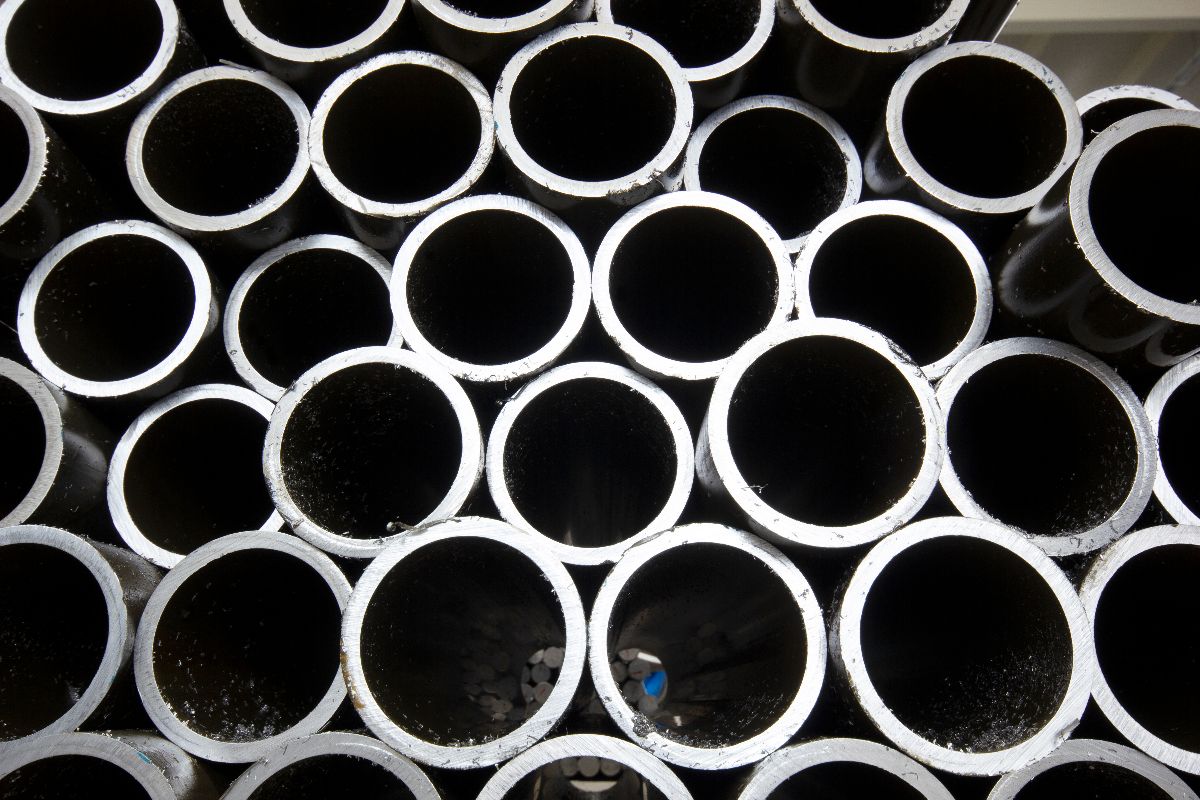
Selecting the wrong pipe class or confusing diameter ratings leads to undersized materials that fail under load, turning a procurement oversight into a serious on-site hazard.
Mistake: Confusing pipe class and diameter ratings.
Consequence: Undersized or light-gauge pipes may fail under a load that causes scaffolding to collapse. Thin plumbing pipes can burst that leads to a flood.
What to do: Supplier documentation and stamped pipe codes are the primary reference points for confirming pipe class before purchase. Class B or C heavy-gauge pipes are specified for load-bearing applications such as handrails and scaffolding, while Class A is appropriate only for low-pressure drainage. These distinctions should be confirmed through supplier specifications, not assumed at the point of installation.
Purchasing from Unvetted Suppliers
Sourcing from uncertified suppliers exposes your project to non-compliant materials that fail regulatory requirements and create significant safety and financial liability.
Mistake: Buying galvanized pipes from suppliers without verifying their credibility and certifications.
Consequence: Non-compliant materials that fail PNS 26:2018, the Philippine standard for black and hot-dipped galvanized steel pipes, can lead to serious safety, regulatory, and financial consequences.
What to do: Pipe sourcing from suppliers certified to PNS 26:2018 significantly reduces compliance risk. Supreme Pipe products are PS Mark licensed and exceed PNS requirements for wall thickness and coating uniformity. Mill test reports are provided for every batch, giving procurement officers documented assurance that materials meet project specifications.
Key Takeaway
Avoiding the common mistakes in purchasing galvanized pipes can save your projects from delays, safety hazards, and unexpected expenses. Careful evaluation of pipe quality, compatibility, and certified sourcing ensures long-term performance and reliability.
Partnering with Supreme Pipe guarantees access to PS Mark licensed pipes that exceed PNS 26:2018 standards. We offer durable and high-quality galvanized pipes that ensure compliance and last for decades. Contact us to secure certified products for your next project.
Share this blog