What are the best practices for comparing GI pipes before purchase?
- Verify quality and certifications
- Evaluate coating and surface quality
- Check technical specifications
- Compare supplier and cost factors
- Application-specific inspection
Overview
- Comparing GI pipes properly is essential to ensure durability, compliance, and long-term performance in construction and industrial projects.
- Key factors to evaluate include certifications, coating and surface quality, technical specifications, supplier reliability, and application suitability.
- Careful comparison helps reduce risks like corrosion, early failure, and unexpected project costs while ensuring better procurement decisions.
- Supreme Steel Pipe provides certified, high-quality GI pipes designed for consistent performance and demanding applications.
Galvanized iron (GI) pipes are widely used in construction, plumbing, structural, and industrial applications due to their corrosion resistance and mechanical strength. While they are readily available in the market, product quality varies depending on manufacturing standards, coating process, and compliance with required specifications. These differences are not always immediately visible but can significantly affect performance, durability, and project cost.
For this reason, evaluating and comparing GI pipes before selection is necessary to ensure the material is suitable for your project requirements. In this article, we will explore best practices for comparing GI pipes before purchase to help you assess key specifications, quality indicators, and supplier reliability more effectively.
Verify Quality and Certifications
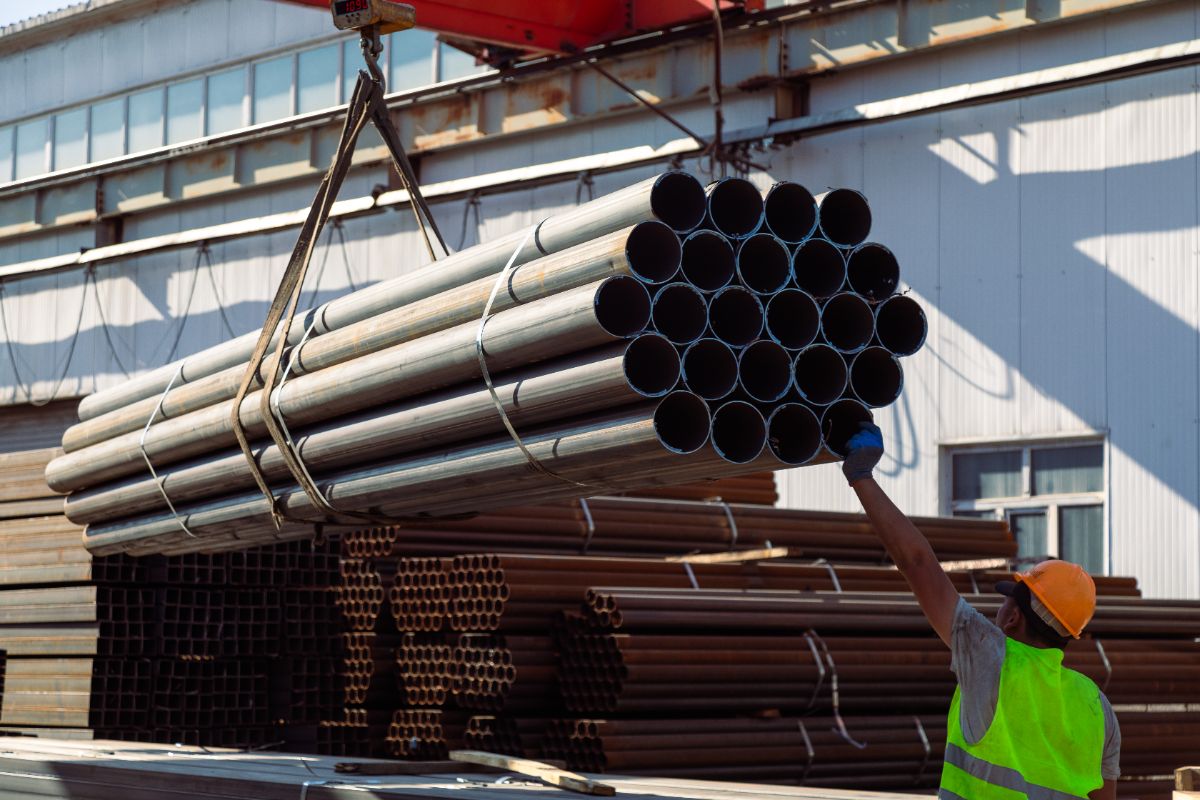
Before comparing GI pipes, verify that the products meet recognized quality and compliance standards. Check if the supplier provides certifications such as PS Mark, ISO certification, and material test certificates, as these confirm the pipes have undergone proper testing for strength, thickness, and corrosion resistance.
You should also inspect for consistent dimensions, smooth finishing, and uniform galvanization, since these are common indicators of good manufacturing quality. Without proper verification, you risk purchasing pipes that may fail inspections, corrode early, or underperform in demanding applications.
Evaluate Coating and Surface Quality
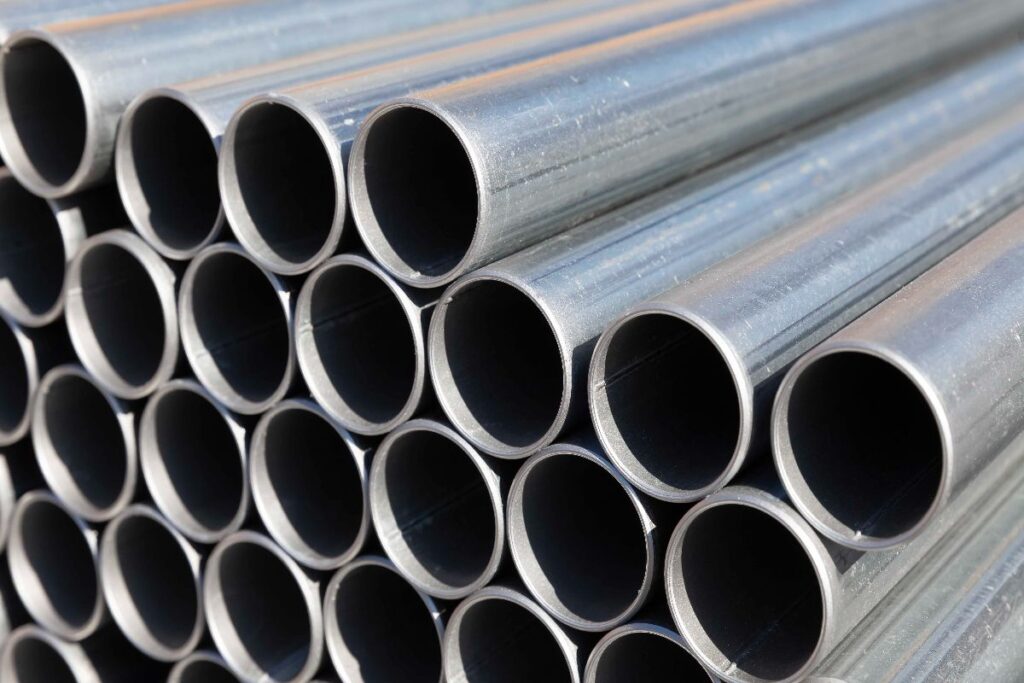
The zinc coating and surface condition of GI pipes directly affect their corrosion resistance and long-term durability. You should inspect the pipe surface for smooth and even galvanization without peeling, exposed steel, rough patches, cracks, or rust spots.
It is also important to confirm whether the coating thickness meets project or industry requirements, especially for outdoor or industrial applications. Poor coating quality can allow moisture and contaminants to reach the steel, leading to early corrosion, leaks, and structural deterioration.
By carefully evaluating coating and surface quality before selection, you reduce the risk of premature failure, maintenance issues, and costly material replacement later on.
Check Technical Specifications
Technical specifications determine whether GI pipes can safely and efficiently perform within your project requirements. You should compare specifications such as pipe diameter, wall thickness or schedule, pressure rating, length, and joint type to ensure compatibility with your intended application.
These details affect flow capacity, structural strength, installation efficiency, and pressure resistance. Reviewing technical data sheets and material specifications also helps confirm that the pipes comply with engineering and operational requirements.
Selecting pipes with incorrect specifications can result in fitting problems, reduced system performance, or premature failure. Proper specification review helps ensure long-term reliability, operational safety, and smoother project execution.
Compare Supplier and Cost Factors
Comparing suppliers goes beyond checking who offers the lowest price. You should evaluate whether the supplier can consistently deliver certified products, maintain stable inventory, provide technical support, and meet delivery schedules. Pricing should also be reviewed alongside factors such as material quality, warranty policies, logistics capability, and after-sales support.
Lower-cost GI pipes may seem attractive initially, but poor-quality materials can lead to higher maintenance costs, replacements, and project delays over time. By comparing both supplier reliability and overall value, you can make more cost-effective decisions that support project quality, schedule efficiency, and long-term operational performance.
Application-Specific Inspection
Not all GI pipes are suitable for every project, which is why application-specific inspection is important before making a final selection. You should evaluate whether the pipe specifications, coating type, pressure capacity, and joint system are appropriate for the intended use, such as water distribution, structural support, scaffolding, or industrial installations.
Environmental conditions such as moisture exposure, pressure demands, and chemical contact should also be considered when comparing. Pipes that perform well in one application may not be suitable for another. Conducting this type of inspection helps ensure the materials can handle actual operating conditions while reducing the risk of failure, corrosion, or compatibility issues.
Supreme Steel Pipe: Trusted GI Pipe Supplier for Quality and Compliance
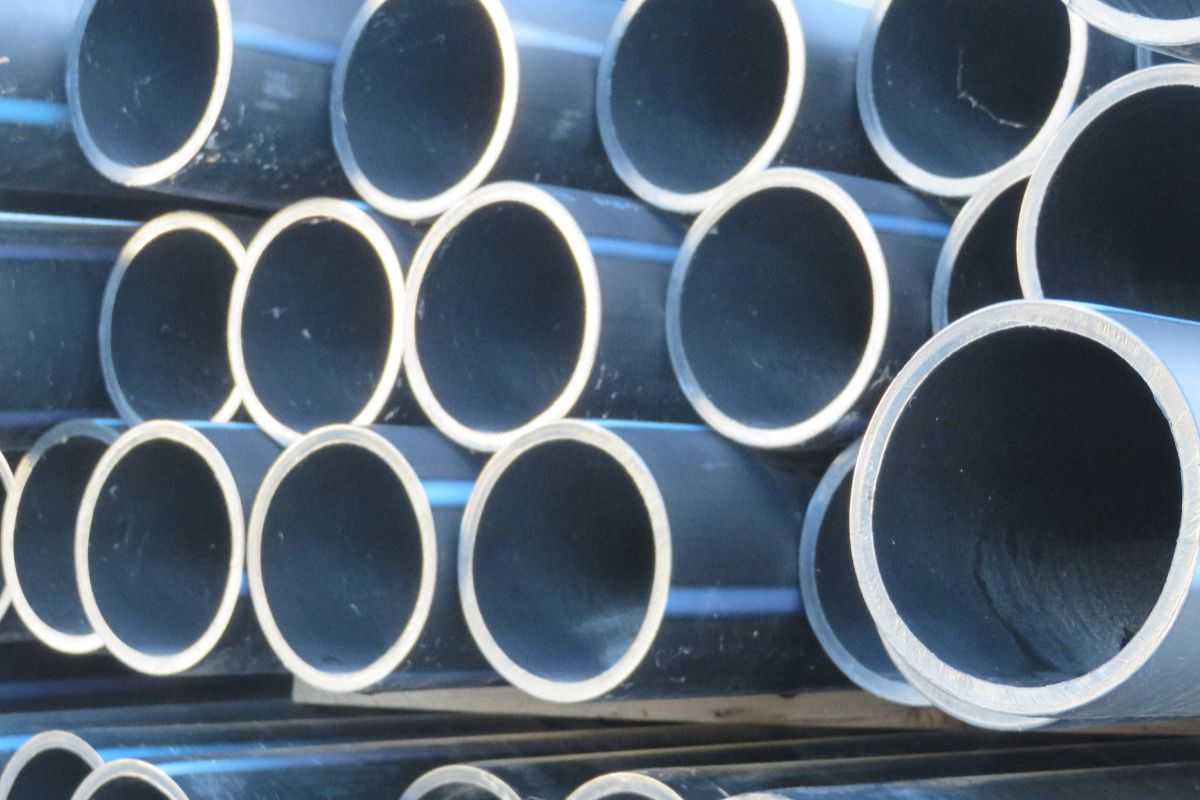
At Supreme Pipe, we provide GI pipes engineered for durability, compliance, and long-term performance across demanding construction and industrial applications. Our galvanized iron pipes are manufactured with a high-grade protective zinc coating, delivering damage-resistant, rust-free performance even in challenging environments.
Using the advanced galvanizing blowing system, each pipe undergoes rigorous metal preparation, zinc dipping, air-wipe treatment, and steam blowing to ensure consistent coating and corrosion protection.
Built for heavy-duty applications, our GI pipes are also 100% hydrotested to verify strength and reliability under pressure. With Supreme Steel Pipe, you receive cost-effective, certified materials designed to meet strict quality standards.
Key Takeaway
Following these best practices for comparing GI pipes before purchase helps ensure you select materials that meet the right standards for quality, durability, and long-term performance. By carefully evaluating certifications, coating quality, technical specifications, supplier reliability, and application suitability, you can reduce project risks and make more informed procurement decisions.
If you are looking for a partner you can rely on for consistent and high-quality GI pipe supply, Supreme Steel Pipe is here to support your project needs. Contact us today to learn more about our products and how we can support your project requirements.
Share this blog