What do you need to check before finalizing your galvanized pipe purchase?
- Galvanization quality and coating
- Physical inspection and integrity
- Standards and material certification
- Compatibility and usage
- Transport and storage
Overview
- Selecting the right galvanized pipe requires evaluating its quality to ensure reliable performance and long-term durability.
- The article covers key checks such as coating quality, physical condition, certifications, application suitability, storage practices, and important questions to ask suppliers before purchasing.
- Careful inspection and choosing a reliable supplier help prevent costly issues while ensuring galvanized pipes meet project quality and performance requirements.
Galvanized pipes are steel pipes coated with a protective zinc layer designed to resist corrosion, making them widely used in water distribution systems, structural applications, scaffolding, and industrial installations.
While this protective layer enhances durability, long-term performance still depends on steel quality, coating consistency, and manufacturing control. Pipes with poor galvanization or weak production standards can deteriorate early, leading to leaks, structural issues, and costly project delays.
This makes proper evaluation essential before finalizing your selection. As a leading supplier of steel pipes, Supreme Steel Pipe is here to guide you through what you should check before finalizing your galvanized pipe purchase, so you can avoid material risks and ensure reliable performance across your projects.
Galvanization Quality and Coating
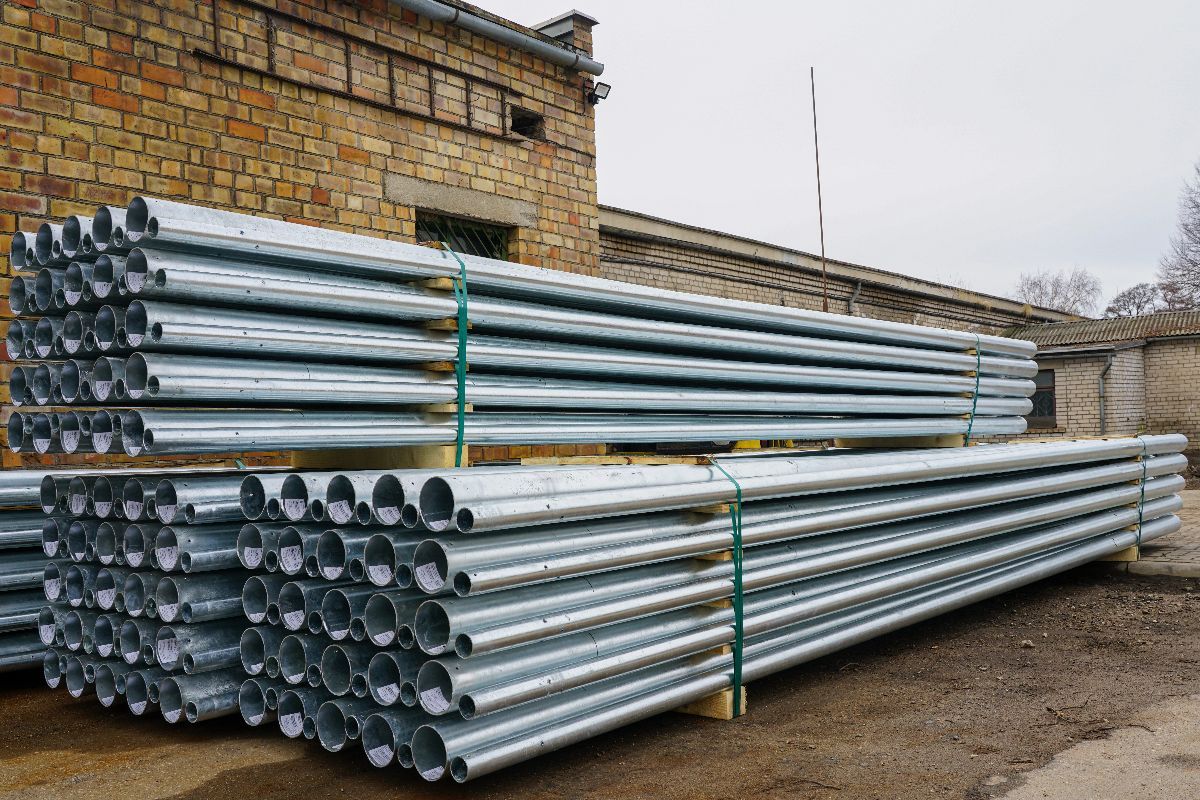
The performance of a galvanized pipe starts with the condition of its zinc coating, which serves as the primary barrier against corrosion. Pipes with uneven coating, exposed steel, peeling layers, or rough finishes indicate poor galvanization and weak protection against environmental exposure.
You should verify coating quality through inspection and request supporting documents such as coating specifications or material test certificates. Inadequate galvanization accelerates corrosion, leading to leaks, structural weakening, and early system failure. Proper coating application ensures resistance to rust, extends service life, and reduces long-term maintenance risks in demanding applications.
Physical Inspection and Integrity
Before acceptance, each galvanized pipe should be inspected for physical defects that may compromise performance during installation or operation. Look for dents, cracks, bends, uneven surfaces, rust formation, or welding inconsistencies.
It is also necessary to confirm uniform dimensions and straightness across all lengths, as deviations can cause misalignment and installation difficulties on-site. Pipes that fail basic physical integrity checks often reflect poor manufacturing control or improper handling. Defective materials increase the risk of leaks, weak joints, and structural instability, leading to rework, delays, and higher project costs.
Standards and Material Certification
Compliance with recognized standards is a key requirement when selecting galvanized pipes for construction use. You should confirm whether the supplier provides certifications such as PS Mark, ISO certification, and material test certificates aligned with Philippine National Standards (PNS).
These documents validate that the pipes meet required specifications for strength, thickness, and corrosion resistance. Without proper certification, materials may fail inspection requirements, violate project standards, or perform inconsistently under load. Certified pipes provide assurance that the materials have undergone regulated testing and meet established industry requirements for structural and industrial applications.
Compatibility and Usage
Each galvanized pipe is designed for specific operating conditions, and using the wrong specification can lead to system failure. Before finalizing selection, verify pipe size, wall thickness, pressure rating, and coating suitability based on your application requirements.
This applies to water systems, structural frameworks, and industrial installations where performance demands vary. Technical data sheets or supplier consultation should be used to confirm correct matching.
Improper pipe selection can lead to installation issues, reduced system efficiency, or premature failure under operating pressure. Proper compatibility ensures stable performance and long-term reliability across your project.
Transport and Storage
Even properly manufactured galvanized pipes can deteriorate if not handled correctly during transport and storage. You should inspect delivery conditions for signs of moisture exposure, coating damage, scratches, or improper stacking.
Pipes must be stored in dry, elevated, and well-ventilated areas to prevent contamination and corrosion development before installation. Poor handling practices can compromise coating integrity even before the pipes are used.
Failure to maintain proper transport and storage conditions increases the risk of early corrosion, surface damage, and material degradation, affecting overall project quality and durability.
Questions to Ask Before Finalizing Your Purchase
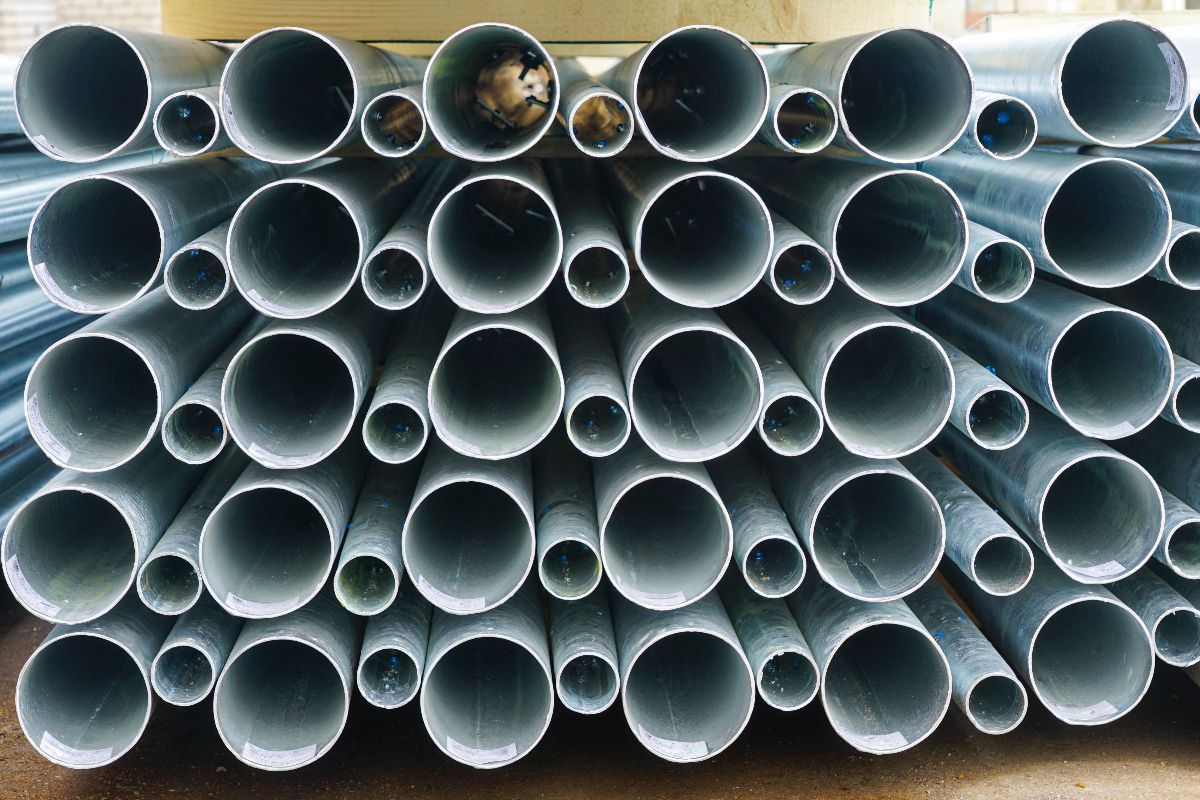
Here are important questions you should ask to help ensure you are purchasing high-quality and reliable galvanized pipes.
- Are the pipes certified and tested? – Confirm that the pipes have proper certifications and testing documents to verify quality, safety, and compliance.
- Can the supplier provide material traceability? – Ask if the supplier can trace the materials back to their manufacturing source for accountability and quality assurance.
- What warranty or replacement policies are available? – Review the supplier’s policies to understand how defects or damaged materials will be handled.
- Can the supplier support long-term project requirements? – Ensure the supplier can consistently provide materials, technical support, and reliable deliveries throughout your project timeline.
Key Takeaway
Knowing what to check before finalizing your galvanized pipe purchase is essential to ensure you select materials that meet quality, safety, and performance standards. By carefully evaluating coating quality, physical condition, certifications, compatibility, and supplier reliability, you reduce the risk of project delays, structural issues, and unexpected costs.
For reliable, certified galvanized pipe solutions, Supreme Steel Pipe offers products that meet strict quality and compliance standards. Contact us today to ensure your projects are supported by durable, tested, and dependable pipe solutions.
Share this blog