How to maintain a reliable steel pipe supply during the rainy season?
- Proactive planning
- Inventory management
- Supplier coordination
- Logistics preparation
Overview
- Maintaining steel pipe supply during the rainy season requires proactive planning around project schedules, inventory needs, site readiness, and potential weather disruptions.
- Supplier coordination and logistics preparation help keep deliveries dependable by protecting materials in transit, adjusting delivery windows, and maintaining direct communication when conditions change.
- Supreme Steel Pipe supports reliable wet-season supply through its distribution network, schedule coordination, compliant products, and material handling guidance.
Heavy rainfall and frequent typhoons create conditions that affect material integrity, delivery reliability, and site access throughout the wet season. For ongoing construction projects, these disruptions carry direct consequences for timelines, compliance, and procurement decisions.
Maintaining a reliable steel pipe supply during the rainy season therefore requires a procurement approach that accounts for changing site and weather conditions. When material requirements are closely tied to construction schedules, keeping supply dependable becomes essential to maintaining project continuity.
To help you navigate these seasonal challenges, here’s how to maintain a reliable steel pipe supply during the rainy season.
Proactive Planning
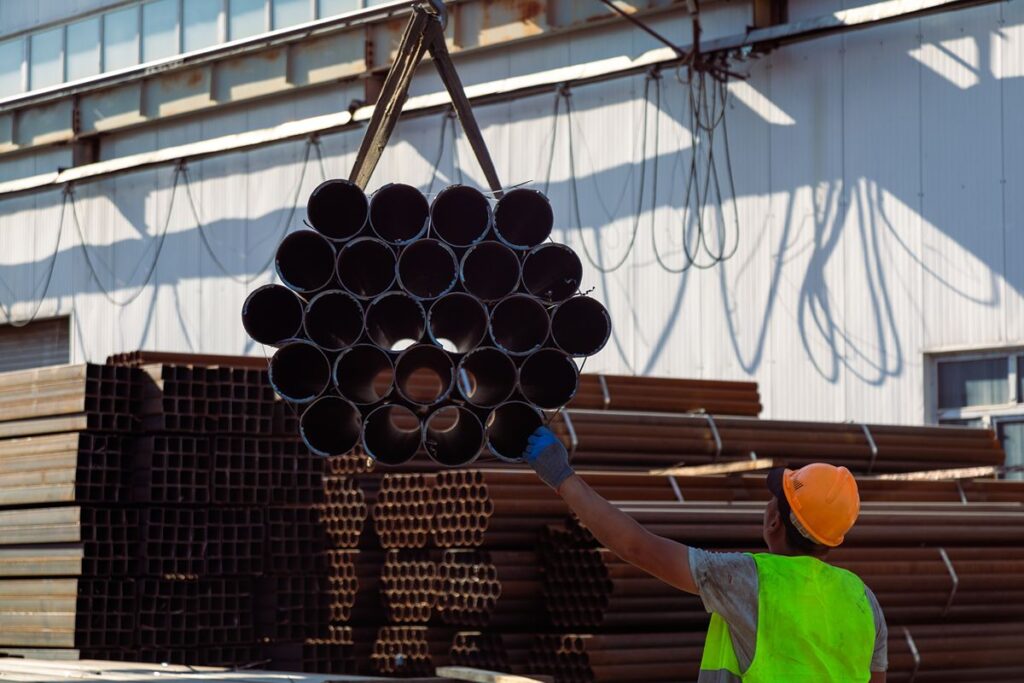
Reliable supply starts with understanding where rainy-season conditions are most likely to affect your project schedule. Reviewing upcoming deliveries and installation activities against periods of heavier rainfall gives you a clearer basis for deciding when materials need to be available on-site.
Review Project Phases Against the Wet-Season Calendar
The timing of deliveries and installation can become more important when outdoor work and site access are vulnerable to heavy rainfall. Reviewing planned pipe requirements against the project schedule helps identify activities that may need earlier deliveries, additional lead time, or closer coordination during wetter periods.
This is particularly useful for phases involving outdoor storage or installation, where delays may affect succeeding activities. Planning around these exposure points gives you more flexibility to adjust procurement timing before a disruption occurs.
Build Schedule Buffers Around High-Exposure Activities
Rain-related delays are not always avoidable, but their effect on the overall schedule can be limited when high-exposure activities have additional time built into the plan. Deliveries, site access, and outdoor installation can all take longer when weather conditions change unexpectedly.
Allowing some schedule flexibility around these activities helps prevent one missed delivery window from affecting multiple tasks that depend on the same materials. This is especially important for steel pipe requirements that are tied closely to the next stage of construction.
Inventory Management
Keeping the right amount of steel pipe on hand can help absorb short-term delivery disruptions without creating unnecessary storage exposure. The goal is to maintain sufficient inventory for critical work while avoiding excessive material accumulation before it is needed.
Determine Safety Stock for Critical Specifications
Some pipe sizes and specifications may be more important to near-term construction activities than others. Identifying these requirements early helps you determine which materials may warrant additional inventory, particularly when replacement deliveries could take longer during periods of heavy rainfall.
Maintaining a reasonable buffer for critical specifications can help keep installation moving when a scheduled shipment is delayed. This gives procurement teams more room to manage changing delivery conditions without immediately affecting the construction sequence.
Time Bulk Staging Before Peak Rainfall
Staging materials before periods of heavier rainfall can reduce dependence on deliveries during the most difficult site conditions. However, bringing steel pipes to the site earlier also means considering where and how they will be stored until installation.
Pipes should be kept in areas that allow water to drain away rather than collect around the material. Properly planned storage can help preserve material condition while keeping staged inventory available when the next installation activity begins.
Supplier Coordination
Supply reliability also depends on how well delivery plans are coordinated with changing project conditions. Maintaining clear communication with your supplier gives you more flexibility to respond when weather, access, or material requirements shift during the rainy season.
Confirm How Your Supplier Protects Pipe in Transit
Steel pipes can be exposed to moisture during transport, making delivery practices relevant to material condition when shipments arrive at the site. Before peak rainfall periods, it helps to understand how your supplier manages weather exposure and protects materials while they are in transit.
Knowing what to expect from the delivery process also gives you a clearer basis for checking the condition of materials upon arrival and addressing concerns before they affect installation schedules.
Align Delivery Windows With Site Readiness
Delivery timing should reflect whether the site can safely receive, inspect, and store the materials when they arrive. Heavy rainfall, flooding, and access restrictions can all affect this readiness, making fixed delivery dates less practical when conditions change quickly.
Coordinating delivery windows with site availability gives you more control over when materials reach the project and reduces the chance of receiving steel pipes when the site is unable to handle them properly.
Logistics Preparation
Preparing for rainy-season logistics means making sure the site can handle steel pipes from delivery through storage and eventual installation. This keeps procurement decisions connected to what is actually possible once materials reach the project.
Establish a Direct Line to Your Supplier for Mid-Project Adjustments
Project conditions can change quickly during the wet season, so having a clear point of contact makes it easier to communicate changes to delivery timing, material requirements, or site access. This becomes particularly useful when weather conditions affect the original procurement sequence.
Maintaining that communication throughout the project can help you make adjustments before a temporary disruption becomes a larger scheduling issue, especially when the next material requirement is already approaching.
Secure Reliable Steel Supply with Supreme Pipe
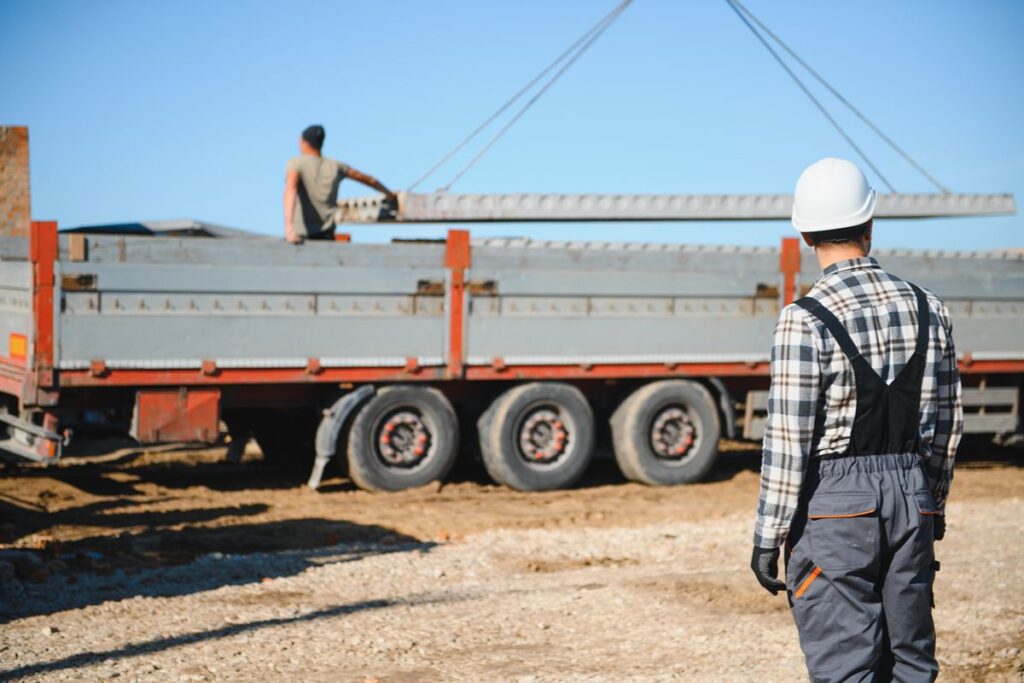
At Supreme Steel Pipe, we help ensure a stable and dependable supply of steel materials for projects across the Philippines through an integrated manufacturing and distribution network. With a centralized production facility and strategically located distribution hubs in Luzon, Visayas, and Mindanao, we support consistent product availability and timely deliveries even when weather conditions disrupt logistics.
Our team coordinates directly with your project schedule to align delivery windows, provide updated handling guidance as conditions shift, and confirm material compliance before it leaves our facility. Our steel products are manufactured to PNS and ASTM compliance standards, and our galvanizing processes are monitored for coating consistency to confirm material performance under wet-season conditions.
Key Takeaway
By understanding how reliable steel pipe suppliers support projects during the rainy season, you can now make procurement decisions that protect material quality, schedule continuity, and compliance before wet-season conditions create pressure on your project.
Navigate the rainy season with Supreme Pipe and ensure your project maintains consistent material supply, compliant products, and reliable delivery when wet-season conditions put your timeline at risk. Contact us today to discuss your project requirements.
Share this blog