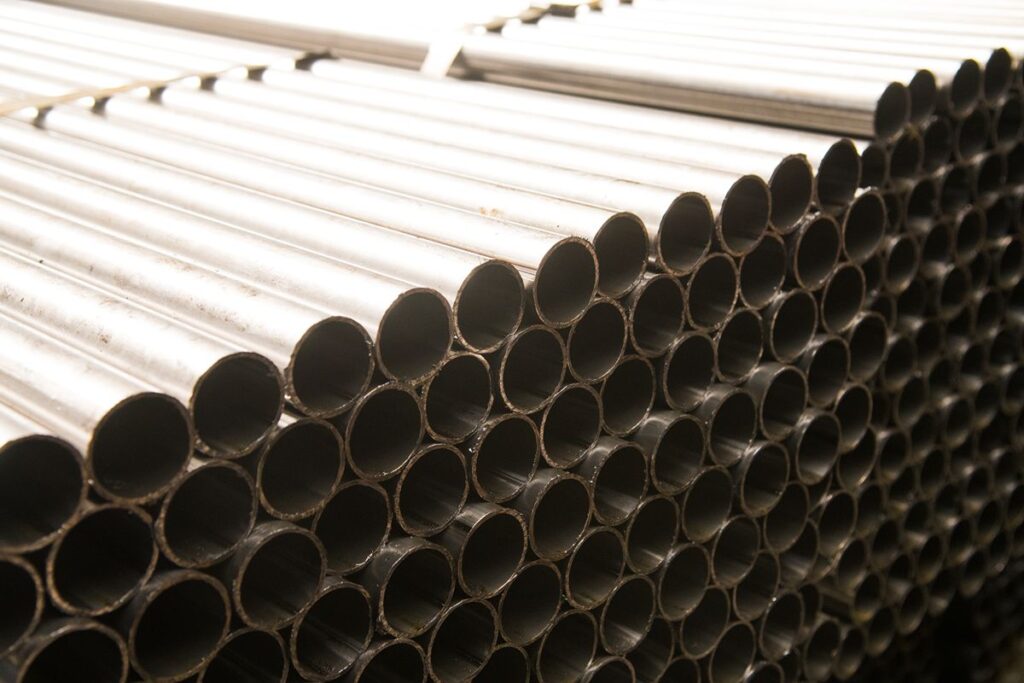
What makes steel pipes suitable for drainage systems?
- High strength
- Flexibility under load
- Pressure handling
- Long lifespan
- Impact resistance
Overview
- Steel pipes offer drainage systems strength, pressure handling, durability, flexibility under load, and impact resistance for demanding construction conditions.
- Their limitations include corrosion, potential flow restrictions, and heavier handling requirements, making proper specification, installation, and maintenance important.
- Supreme Steel Pipe Corporation provides GI and BI pipe solutions designed for drainage and other construction applications across the Philippines.
Drainage systems in the Philippines must perform through heavy rainfall, changing soil conditions, and the physical demands of construction. These conditions make material selection an important part of maintaining reliable drainage performance, since the wrong choice can lead to premature failure, costly rework, and disruption for plumbing contractors and their clients.
For plumbing contractors and service providers, what makes steel pipes suitable for drainage systems comes down to how well their strength, pressure handling, and durability hold up under these demanding conditions.
In this article, we’ll take a closer look at the characteristics that support the use of these pipes in demanding drainage applications.
High Strength
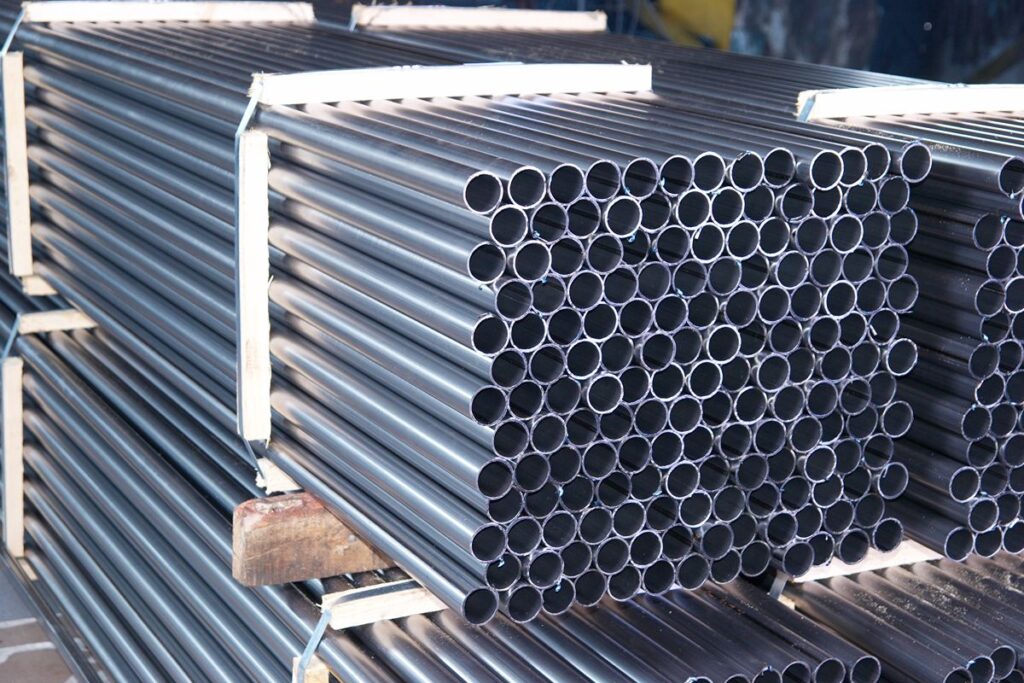
Drainage lines installed beneath slabs, under heavy soil loads, or in multi-story buildings can face significant pressure and stress. Steel pipes provide the structural strength needed to withstand these demands without easily deforming, helping preserve the pipe’s shape and the system’s intended flow path.
This is particularly essential in applications where external loads could otherwise damage or displace the piping. Steel pipes manufactured to recognized standards such as ASTM A53 also provide defined material and dimensional requirements, giving you clearer specifications to assess before installation.
Flexibility Under Load
Ground conditions are rarely completely static. Settlement, vibration, temperature changes, and other forms of movement can place repeated stress on drainage systems, making some degree of material flexibility valuable alongside structural strength.
Steel’s ductility allows it to absorb a certain amount of movement without immediately fracturing. For drainage installations exposed to changing site conditions, this can help reduce the likelihood of cracks and connection failures that may otherwise lead to leaks, repairs, or callbacks.
Pressure Handling
Ground conditions are rarely completely static. Settlement, vibration, temperature changes, and other forms of movement can place repeated stress on drainage systems, making some degree of material flexibility valuable alongside structural strength.
Steel’s ductility allows it to absorb a certain amount of movement without immediately fracturing. For drainage installations exposed to changing site conditions, this can help reduce the likelihood of cracks and connection failures that may otherwise lead to leaks, repairs, or callbacks.
Long Lifespan
The service life of a drainage pipe can influence more than replacement frequency. When piping is installed beneath finished surfaces or within concealed building systems, premature failure can also mean additional labor, disruption, and project costs.
Steel can provide long-term service when it is properly specified and maintained, while GI pipes add zinc coating protection against corrosion. This can make steel a practical option for permanent drainage installations where dependable performance over an extended period is an important project requirement.
Impact Resistance
Construction sites expose drainage pipes to more than the stresses they face during operation. Transportation, rough handling, backfilling, and nearby site activity can all create opportunities for physical damage before or after installation.
Steel’s toughness helps it withstand these impacts without easily cracking or losing its structural integrity. That resilience can be valuable for projects where piping must pass through active work areas or remain accessible to future excavation and maintenance activities.
Potential Challenges of Steel Pipes in Drainage Systems
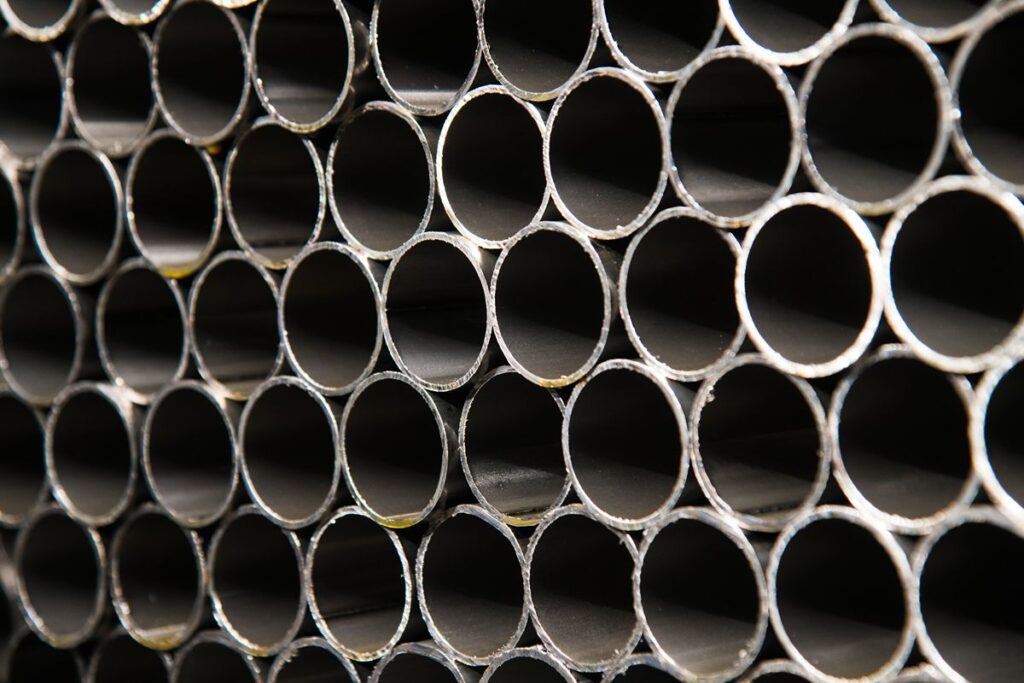
Steel pipes can offer the performance needed for demanding drainage applications, but their suitability still depends on the conditions where they will be installed. Understanding these considerations gives you a clearer basis for determining whether steel is appropriate for the requirements of a particular drainage system.
Corrosion and Rust
The level of moisture and environmental exposure around a drainage system can influence how much corrosion protection is needed from the piping material. For projects in humid, coastal, or otherwise moisture-prone locations, considering the available protection of GI and BI pipes helps you account for the conditions the drainage system will face throughout its service life.
Flow Reduction and Blockages
Drainage performance depends on maintaining sufficient flow through the system, making the pipe’s internal capacity relevant to how the application is expected to operate. Considering the type of drainage, expected water and sediment conditions, and required flow capacity helps you determine whether the selected steel pipe can support the system’s intended performance over time.
Installation and Handling
Steel pipes provide the structural qualities needed for demanding drainage applications, but their weight also forms part of the installation requirements that need to be considered during project planning. Accounting for transportation, positioning, and joining requirements alongside the project’s site conditions helps you evaluate how readily a steel pipe solution can be incorporated into the installation.
Discover Supreme Pipe’s Steel Pipe Solutions
Supreme Pipe provides GI and BI pipe solutions for construction applications across the Philippines. We offer steel pipe options in different sizes and schedules to support varied project requirements, with galvanized products providing added protection where moisture and corrosion exposure are important considerations.
We also provide technical support and product availability through our offices in Quezon City, Cebu, and Davao, helping you evaluate suitable options for drainage and other applications. Our range supports residential, commercial, industrial, and other construction projects that require dependable steel pipe solutions.
Key Takeaway
With a better understanding of what makes steel pipes suitable for drainage systems, you can now weigh the properties that matter most for your next drainage project.
At Supreme Steel Pipe Corporation, we provide GI and BI pipe solutions designed to support dependable construction and drainage applications. Contact us today to discuss the steel pipe requirements for your next project.
Share this blog