Overview
- Rainy weather can place extra pressure on infrastructure materials through saturated soil, runoff, and delays in installation schedules.
- This article explains how heavy gauge pipes support drainage, water distribution, civil works, and structural applications that need stronger steel pipe materials during wet months.
- It also highlights what contractors should check before buying, including wall thickness, finish, standards, load requirements, supplier documentation, and delivery support.
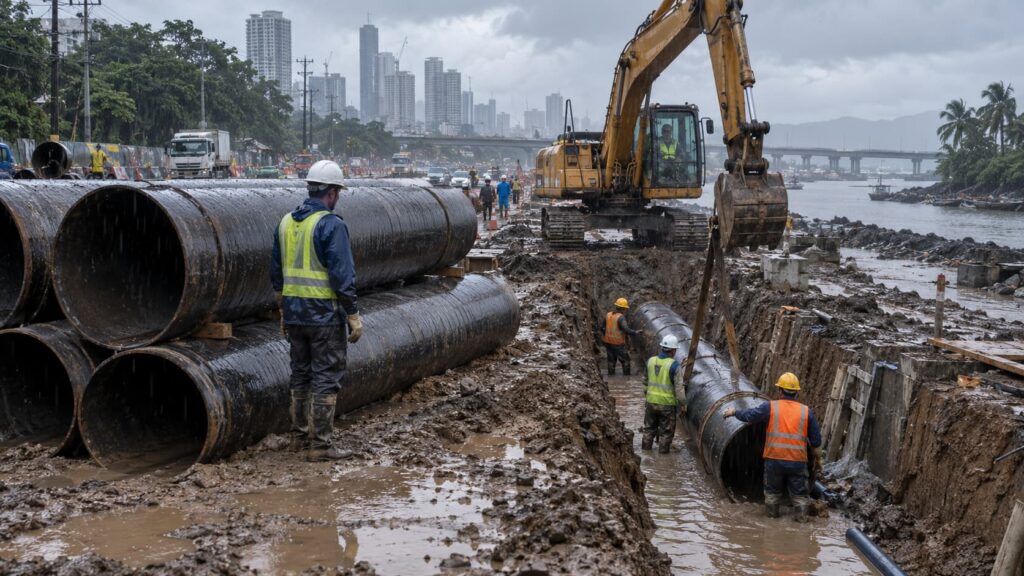
Rainy season affects more than the speed of construction. It can change how materials perform on site, especially pipes used in drainage, water movement, temporary works, and structural applications.
Heavy rainfall can soften ground, expose piping to moisture, and increase demand on systems that carry stormwater or support utilities. When materials are not matched to these conditions, contractors may face delays, repairs, or unexpected replacement costs.
Understanding why heavy gauge pipes are essential for rainy season infrastructure projects helps teams plan material selection more carefully. Read on to explore where these pipes matter and what you should check before procurement.
Why Rainy Season Infrastructure Needs Stronger Pipe Materials
Rainy weather brings conditions that are harder to control, such as wet ground, water accumulation, interrupted access, and added pressure on drainage and utility lines. Piping may also be affected by backfill movement, external load, water flow, and moisture exposure before installation is completed.
Light or underspecified pipes may be enough for basic applications, but they may not fit sites where strength and durability are priorities. This is why project teams should check the expected load, flow, installation depth, and exposure conditions before finalizing materials.
Understanding product standards can also help contractors compare outside diameter, inside diameter, and wall thickness before approving an order. These details affect both the pipe’s strength and how well it supports the intended application.
How Heavy Gauge Pipes Support Rainy Season Projects
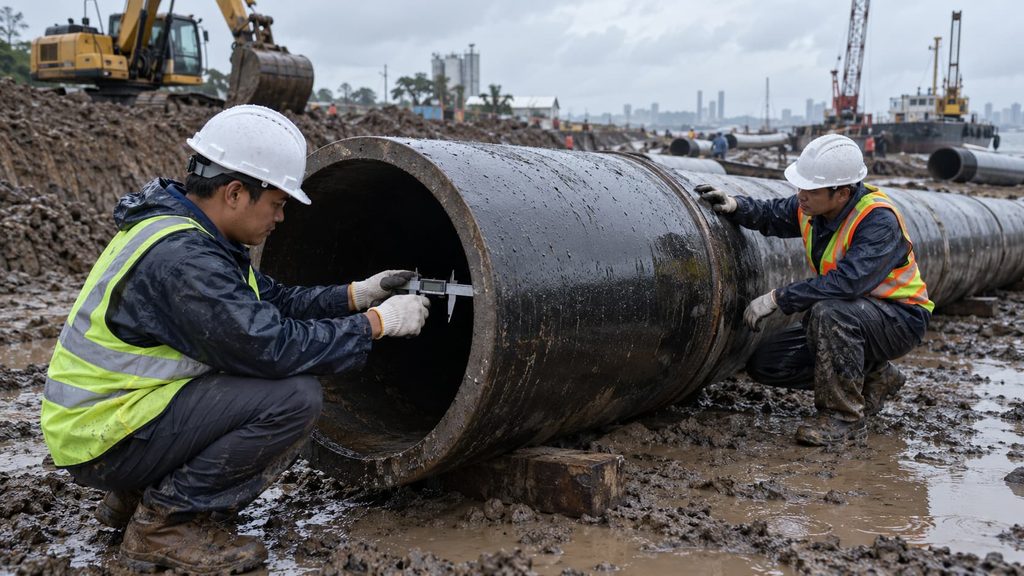
Heavy gauge pipes provide practical support for projects where pipe strength has a direct effect on safety, flow reliability, and long-term performance. Their thicker wall profile gives contractors a stronger material option for applications exposed to site movement, load pressure, and demanding water conditions.
Strength Against Load and Site Movement
A major advantage of heavy gauge steel pipes is their ability to support applications that require greater strength, durability, and load-bearing capacity. This matters in rainy-season work because saturated soil, traffic loads, and unstable site areas can place more pressure on buried or exposed pipe sections.
Using the correct wall thickness helps reduce the risk of deformation and early material damage. It also gives foremen more confidence that the installed pipe can handle actual site conditions, not just ideal design conditions.
Reliable Flow for Drainage and Water Control
During heavy rain, drainage and water-control systems need materials that can move water consistently. Pipe weakness, misalignment, or poor material selection can lead to flow problems, backups, or repair work that slows the rest of the project.
For rainy-season planning, reviewing welded steel pipe applications for the rainy season can help contractors identify where stronger welded pipe formats may support drainage systems, water transmission, flood control, and urban infrastructure support.
Better Fit for Demanding Infrastructure Uses
Infrastructure projects often require materials that can tolerate repeated use, environmental exposure, and long-term maintenance demands. Heavy gauge pipes are useful when contractors need a stronger option for public works, utility systems, water lines, or selected structural uses.
For large-scale developments and public works, selecting the right pipes for civil infrastructure applications helps support reliable drainage, utilities, water systems, and other installations where long-term durability is essential.
Common Rainy Season Applications for Heavy Gauge Pipes
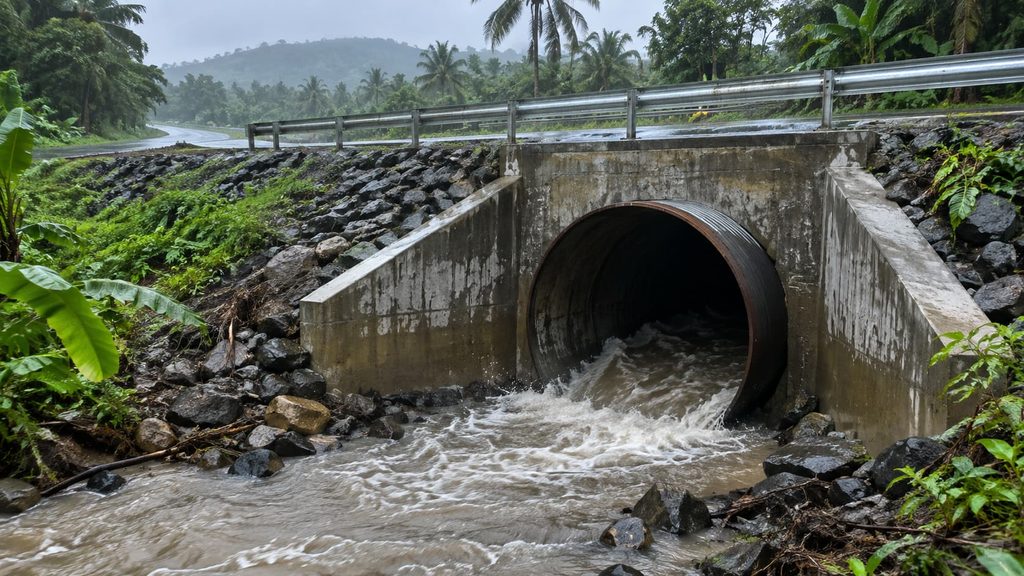
Heavy gauge pipes are not required for every pipe run. They become more important when the application involves higher load, stronger water movement, or exposure that can shorten the service life of lighter materials.
Drainage and Water Control
Drainage work needs pipes that can move water consistently while dealing with ground pressure and wet site conditions. Heavy gauge pipes can be considered for drainage lines, culverts, and diversion points where the material must support both water flow and physical stress.
Water Distribution and Utility Lines
Water distribution and utility systems need pipe materials that can maintain flow, pressure, and durability over time. Heavy gauge pipes may be suitable when the system requires stronger wall thickness or when the installation area is exposed to moisture, movement, and heavier operating demands.
Structural and Load-Bearing Support
Some rainy-season projects also involve scaffolding, supports, casings, or other structural functions. In these cases, structural steel pipes help support applications where load-bearing performance, stability, and long-term durability are important.
What Contractors Should Check Before Buying Heavy Gauge Pipes
Before ordering materials, contractors should review the project’s requirements and compare them with the pipe specifications being offered. A lower price can become costly if the pipe does not match the expected load, water exposure, or installation conditions.
- Pipe diameter and wall thickness based on the required application
- Black iron or galvanized iron finish, depending on moisture exposure
- Applicable PNS, ASTM, or project-specific standards
- Expected load, pressure, support spacing, and water flow
- Delivery schedule, site access, and rainy-season storage conditions
- Supplier documentation, product markings, and available technical support
When the project involves structural or pressure-related concerns, understanding how to select heavy gauge ERW pipes based on load requirements can help teams match wall thickness, material strength, and pipe use more carefully.
It also helps to review PNS standards for pipes before procurement begins. Standards provide a clearer basis for checking dimensions, consistency, compliance, and overall product reliability.
Work With a Supplier That Understands Rainy Season Project Needs
Rainy-season procurement depends on more than pipe specifications. Contractors also need reliable stock, clear lead times, proper documentation, and delivery coordination that can support the project schedule despite weather-related disruptions.
At Supreme Steel Pipe Corporation, heavy gauge BI and GI pipes are manufactured through ERW and made for construction, water supply, scaffolding, and industrial use. With local manufacturing support and recognized standards, contractors can source pipe materials suited for demanding infrastructure schedules.
What This Means for Your Project
Heavy gauge pipes are not needed for every line or support, but they become important when site conditions involve rainfall exposure, soil saturation, water flow, or heavier mechanical demands. Choosing by price alone can leave a project vulnerable to failures, delays, and added maintenance.
By reviewing load, flow, coating, standards, and supplier support before ordering, project managers and foremen can make better material decisions for wet months. This helps protect project timelines while reducing the risk of avoidable replacement work.
Key Takeaway
Heavy gauge pipes help rainy-season infrastructure projects by adding strength, durability, and reliability where lighter materials may not be enough. The right pipe can support drainage, water distribution, structural work, and civil infrastructure while helping reduce avoidable damage and project delays.
Contact Supreme Steel Pipe Corporation for heavy gauge steel pipes that meet your project specifications. Our team can help you review required sizes, finishes, standards, quantities, and delivery needs so your project is prepared before rainy-season conditions create site pressure.
Share this blog