Overview
- This article explains why rainy season conditions can expose weak points in drainage, plumbing, and utility pipe systems.
- It discusses how heavy gauge pipes support better strength, flow reliability, and structural stability in areas affected by heavy rain, flooding, and saturated soil.
- It also guides project managers and plumbing contractors on what to check before procurement, including wall thickness, coating, standards, documentation, and supplier reliability.
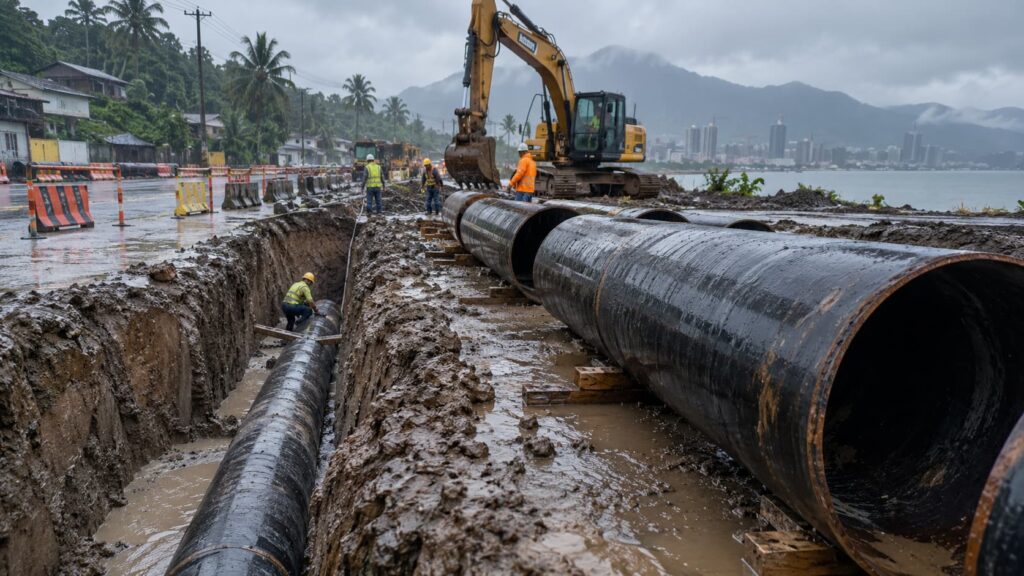
Rainy season projects in the Philippines can reveal problems that are not always visible during normal site conditions. Heavy rain can increase water volume, soften surrounding soil, delay access to work areas, and place additional stress on pipes used for drainage, plumbing, and utility lines.
For construction project managers and plumbing contractors, these conditions make pipe selection an important part of infrastructure protection. A pipe that is too light for the application may deform, shift, leak, or restrict flow once it is exposed to wet ground, high runoff, or repeated pressure changes.
This is why heavy gauge steel pipes are often considered for demanding applications that require greater strength, durability, and load-bearing capacity. Understanding how heavy gauge pipes help reduce infrastructure damage during rainy season conditions can help project teams make better material decisions before installation begins.
Why Rainy Season Conditions Increase Pipe Failure Risks
Infrastructure damage during the rainy season is often caused by a combination of water flow, soil movement, and material stress. When rainwater builds up around buried lines, the surrounding soil may exert more pressure on the pipe body and joints. At the same time, higher runoff can increase the demand on drainage and water systems.
These risks are more serious when the pipe is underspecified for the site. Thin walls, weak joints, poor coating, or the wrong pipe class can lead to damage that may require excavation, replacement, or repair after the project has already been delayed by bad weather.
Saturated Ground Adds Pressure Around Buried Pipes
Wet ground can become unstable, especially in areas with poor compaction, clay-like soil, or limited drainage. Buried pipes in these conditions need enough wall strength to hold their shape and maintain their intended flow path.
Sudden Water Flow Can Stress Pipe Walls and Joints
Heavy rainfall can quickly increase the amount of water moving through a system. If the pipe walls or joints cannot handle the added stress, the system may experience leaks, misalignment, or reduced capacity at the exact time reliable water movement is needed most.
Delayed Access Makes Early Material Decisions More Important
Rain can make it harder to return to the site for repairs once pipes are installed. Choosing stronger materials from the start helps reduce the chance of emergency work, especially in areas where excavation, hauling, or replacement may be difficult during wet months.
How Heavy Gauge Pipes Help Reduce Rainy Season Damage
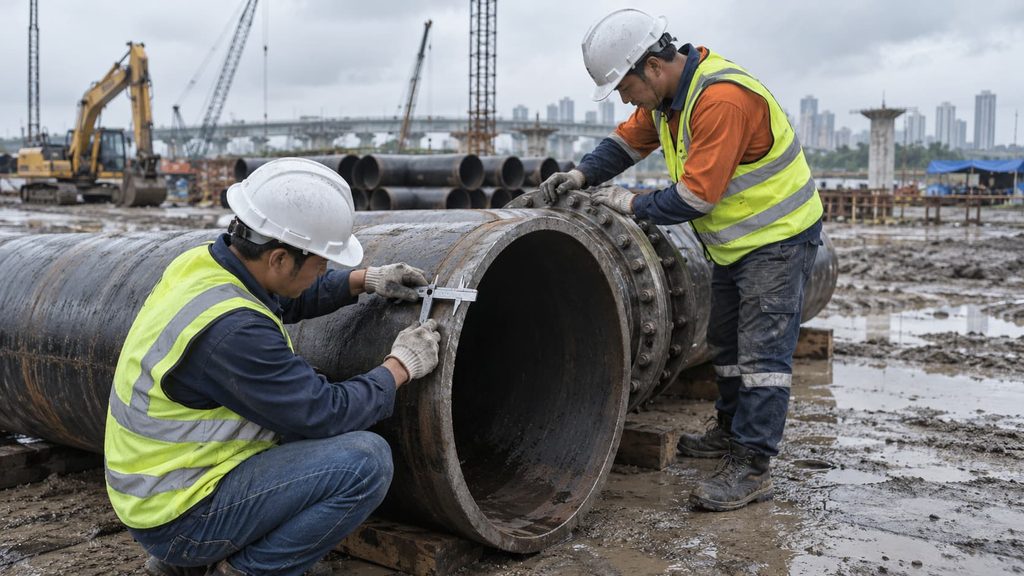
Heavy gauge pipes are not needed for every piping application, but they become valuable when the system must withstand pressure, load, and exposure. Their thicker wall profile gives project teams a stronger option for infrastructure works where performance matters beyond initial installation.
Stronger Wall Thickness Helps Resist Deformation
Wall thickness directly affects how well a pipe can resist bending, flattening, or deformation. In rainy-season projects, this added strength helps protect buried or exposed lines from pressure caused by saturated soil, surface loads, and site activity.
For projects where load exposure is a major concern, knowing how to select heavy gauge ERW pipes based on load requirements can help contractors match pipe specifications with actual site conditions instead of relying on size alone.
Stable Joints Support Better Flow and Fewer Weak Points
Pipe joints can become vulnerable when soil shifts or water pressure changes. Heavy gauge pipes provide a stronger base for proper joining, alignment, and installation, which helps reduce weak points that may lead to leaks or flow interruption.
Durable Material Helps With Wet and Demanding Conditions
Rainy-season work often exposes materials to moisture before, during, and after installation. Choosing the proper BI or GI finish, checking coating requirements, and confirming the application help support longer service life in wet or demanding environments.
Where Heavy Gauge Pipes Are Most Useful During the Rainy Season
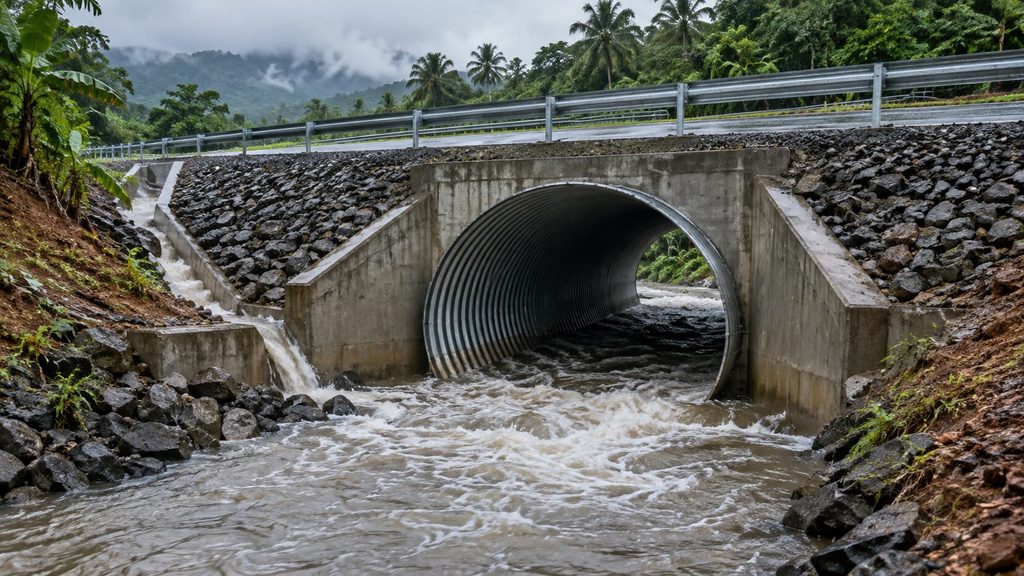
Heavy gauge pipes are most useful in applications where failure can affect safety, access, water movement, or long-term project reliability. The right product choice depends on how the pipe will be used and what conditions it will face after installation.
Drainage and Stormwater Lines
Drainage systems must move water away from roads, buildings, utilities, and project sites during heavy rain. Stronger pipes help maintain capacity when runoff increases and the surrounding ground becomes unstable. Understanding how welded steel pipes perform in rainy-season applications can help project teams identify suitable options for drainage, flood control, and other wet-weather infrastructure work.
Water Distribution and Utility Lines
Water distribution and utility systems need pipes that can support dependable flow under changing site conditions. For public works, commercial developments, and large site improvements, choosing steel pipes suited for civil infrastructure applications helps support durability, safety, and long-term performance.
Fire Protection and Building Systems
Some building systems also require reliable piping during emergencies and harsh conditions. For fire protection work, fire sprinkler steel pipes must support dependable water flow, pressure handling, and compliance with the required project specifications.
Structural Supports and Roadway Crossings
Roadway crossings, exposed runs, utility supports, and other load-sensitive areas can place additional pressure on pipes. Heavy gauge pipes help provide stronger support where traffic loads, soil pressure, and site movement may affect long-term reliability.
What to Check Before Choosing Heavy Gauge Pipes
Choosing heavy gauge pipes should still involve careful evaluation. A thicker pipe can improve strength, but it must also match the project’s size, finish, standard, pressure, and installation requirements.
Pipe Diameter and Wall Thickness
Confirm the pipe diameter and wall thickness against the required water flow, pressure, and load exposure. Choosing a pipe that is too small or too light can create performance issues, while overspecifying may increase costs unnecessarily.
Finish and Exposure Conditions
Check whether the application requires black iron or galvanized iron pipe. Wet, humid, or exposed areas may require added corrosion resistance, while protected structural applications may have different material requirements.
Standards and Documentation
Before procurement, contractors should review applicable product standards, project specifications, and supporting documents. A clear understanding of PNS standards for pipes also helps teams check whether the selected materials meet expected quality, dimensional, and safety requirements.
Supplier Readiness and Delivery Support
Rainy-season schedules can be affected by delivery delays, restricted site access, and sudden material needs. Contractors should work with a supplier that can confirm stock availability, documentation, lead times, and delivery coordination before installation deadlines become tight.
Trust Supreme Steel Pipe Corporation for Rainy Season Pipe Requirements
At Supreme Steel Pipe Corporation, we manufacture steel pipe solutions that support the needs of contractors, plumbing professionals, and infrastructure project teams across the Philippines. Our heavy gauge pipes are available in BI and GI finishes and are produced to support construction, water distribution, fire protection, and industrial applications.
With more than 30 years of steel pipe manufacturing experience, we help project teams source quality materials that align with recognized industry standards and practical site requirements. Our team can assist with pipe selection, specifications, and delivery coordination for projects that need dependable performance during the rainy season.
Key Takeaway
Understanding how heavy gauge pipes help reduce infrastructure damage during rainy season conditions allows project teams to make stronger, safer, and more practical material decisions. Heavy gauge pipes can help protect drainage, plumbing, utility, and structural systems from deformation, flow problems, and premature failure when heavy rain places added pressure on the site.
For dependable heavy gauge steel pipes for drainage, plumbing, fire protection, civil infrastructure, or other demanding applications, contact us today to discuss your required sizes, finishes, standards, quantities, and delivery schedule.
Share this blog