Overview
- BI pipe is commonly used for gas lines, while water systems require closer consideration of moisture, corrosion, and service conditions. The key difference lies in how the pipe is expected to perform within each application.
- The article compares gas and water use through operating conditions, corrosion behavior, and pipe identification, showing why the same uncoated steel pipe may not be equally suited to every installation.
- Supreme Pipe offers BI and GI steel pipe options for gas, water, plumbing, and industrial applications, with specifications and support to help contractors match materials to project requirements.
Choosing a pipe for gas or water service starts with understanding the conditions it will encounter after installation. Black Iron pipes are commonly associated with gas systems because of its strength and established use in pressurized piping, while water applications can place greater demands on corrosion protection depending on the environment.
When comparing BI pipe gas lines vs water lines, the important distinction is how the intended service affects the requirements placed on the pipe. The application, operating conditions, pressure, and exposure to moisture all need to be considered before selecting a product.
Key Differences Between BI Gas Lines and Water Lines
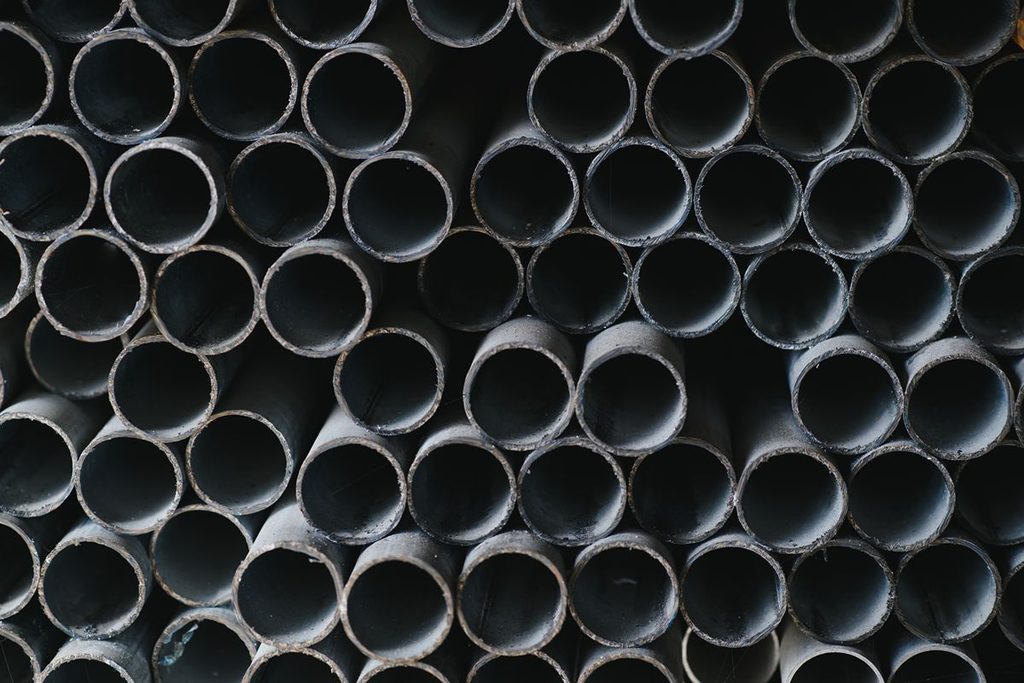
The main difference between gas and water applications is the operating environment surrounding the pipe. BI pipe can be suitable for gas service where its specifications meet the requirements of the system, while water applications place greater emphasis on moisture exposure and corrosion protection.
Black Iron (BI) Pipes for Gas
BI pipes are commonly used for natural and propane gas lines in residential, commercial, and industrial settings. Their steel construction provides the mechanical strength needed for many gas piping applications, while the appropriate size, wall thickness, fittings, and joining method depend on the system requirements.
Because these pipes have no zinc coating, the installation environment still matters, particularly where the exterior may be exposed to persistent moisture. For gas systems, you should also consider operating pressure, connection requirements, applicable standards, and the conditions around the pipe before selecting a specific product.
Pipes for Water Lines
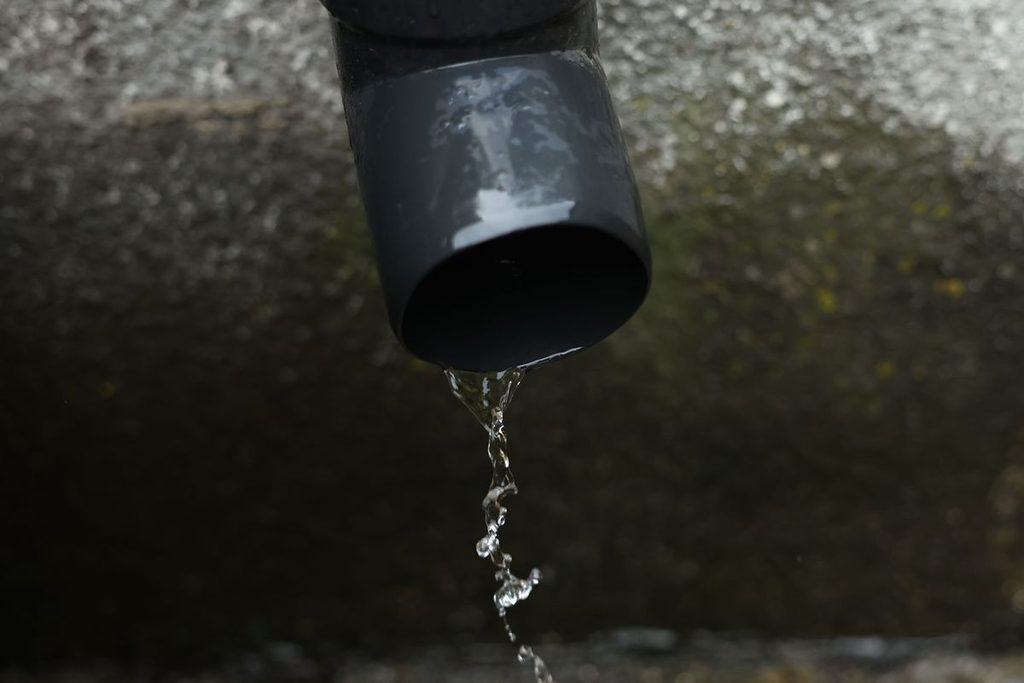
Black Iron pipes may be used in certain water-related applications, but prolonged contact with moisture can increase the potential for corrosion on its uncoated surface. This makes environmental exposure a more significant consideration when the pipe is intended to carry or remain in contact with water.
For water systems, you should consider how the pipe will be exposed to moisture, whether additional corrosion protection is required, and what the application requires in terms of service life and maintenance. In conditions where corrosion resistance is a greater priority, galvanized pipe or another suitable pipe specification may warrant consideration.
Appearance and Identification
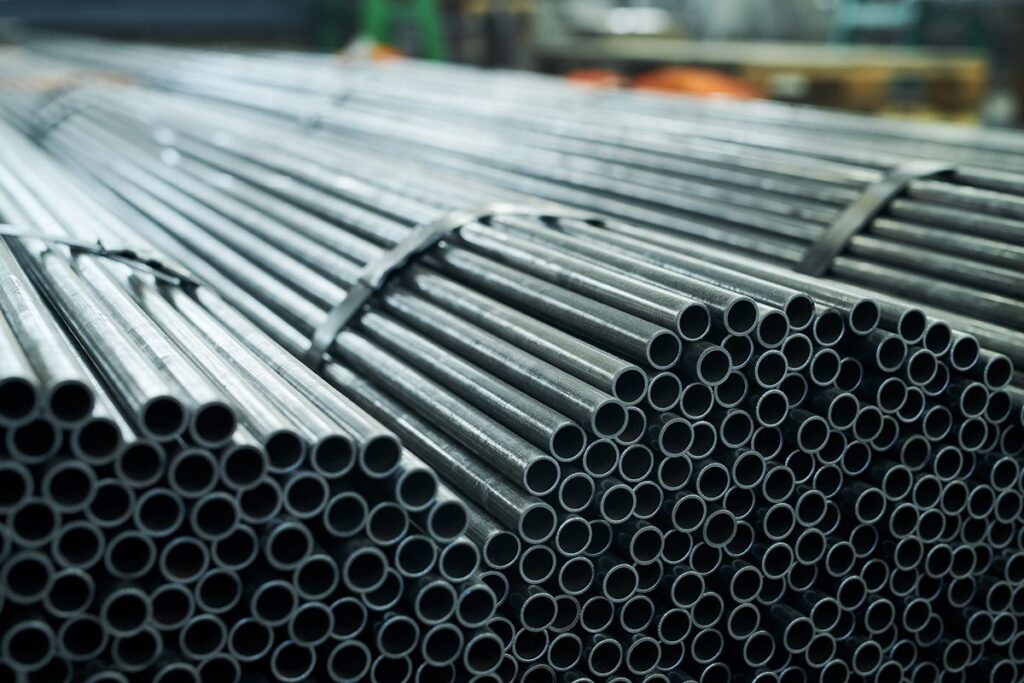
The finish of a pipe can help distinguish BI from galvanized steel, but appearance should support—not replace—product identification and specification checks. BI pipe typically has a dark, uncoated finish, while galvanized pipe has a lighter surface produced by its zinc coating.
This difference is useful when reviewing materials on-site, particularly when several pipe types are present. However, the visible finish does not establish whether a pipe is appropriate for gas, water, or another service, so the product marking and approved specification should remain the basis for selection.
Corrosion Patterns
Corrosion behavior differs mainly because BI pipe does not have the zinc coating present on galvanized pipe. When uncoated steel is exposed to persistent moisture, the surface can gradually develop rust, making environmental conditions an important part of evaluating where BI pipe is appropriate.
Gas lines generally have less direct exposure to water inside the pipe, while water systems naturally involve greater moisture contact. Underground installations also require attention because soil moisture can affect uncoated steel from the outside. Where exposure is expected to be significant, you should consider whether the selected pipe and any required protection are appropriate for the service conditions.
Choose the Right BI Pipe for Your Application With Supreme Pipe
Supreme Pipe provides BI and GI steel pipe solutions for gas, water, plumbing, industrial, and construction applications across the Philippines. We offer different pipe sizes and specifications, giving you options to consider across systems with varying pressure, moisture, and service requirements.
Our product range covers both uncoated BI pipe and galvanized options, allowing you to consider corrosion protection alongside the intended application. We also provide technical assistance to help you assess available pipe specifications against the requirements of the system, whether the project involves gas service, water lines, or another industrial application.
Key Takeaway
Understanding BI pipe gas lines vs water lines can help contractors make a more informed choice for their piping systems. BI pipe is commonly used for gas service, while water applications require closer attention to moisture and corrosion. The right material depends on the intended use and project requirements.
At Supreme Pipe, we provide BI and GI steel pipe options for different construction and industrial requirements. Contact us today to discuss your project needs.
Share this blog