
What is the difference between black iron pipes and galvanized pipes?
- Corrosion Resistance
- Manufacturing Process
- Appearance
- Applications
- Durability
- Cost
Black iron (BI) pipes and galvanized iron (GI) pipes are steel pipes. The main difference is the zinc coating: galvanized pipes have it, while black iron pipes do not.
When buying from a steel pipe supplier in the Philippines, start with the project specification. This guide compares corrosion protection, manufacturing, appearance, applications, durability and cost.
Corrosion Resistance
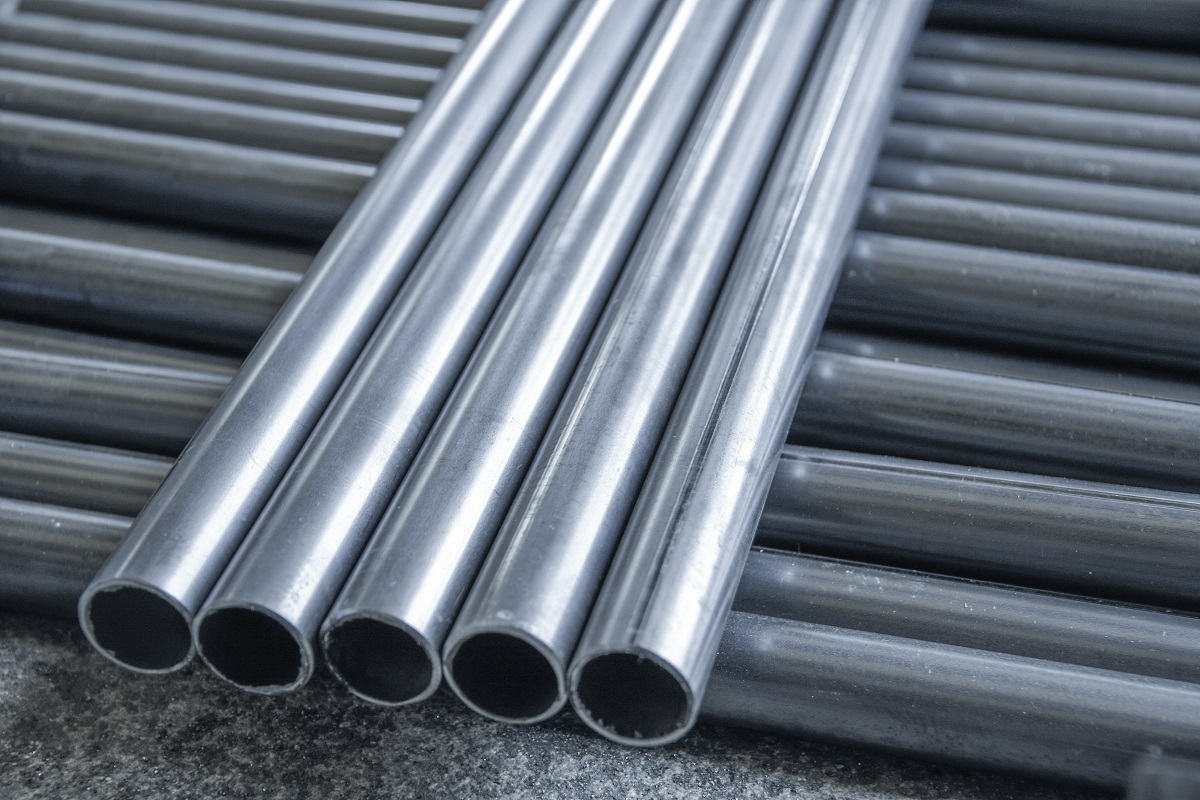
The main difference between black iron pipes and galvanized pipes has something to do with their corrosion resistance.
Black iron pipe has no galvanized zinc coating. Its dark surface does not make it corrosion-proof; protection needs depend on where and how the pipe will be used.
Galvanized pipes have a protective layer of zinc. Zinc provides a barrier and can also protect the steel by corroding in preference to it. The coating and exposure conditions affect that protection.
Manufacturing Process
BI and GI describe the finish, not whether the pipe is welded or seamless. ASTM A53 covers both black and galvanized steel pipe in welded and seamless forms.
Supreme’s catalogue shows how steel is formed and welded into ERW pipe. For GI pipe, the galvanizing process adds a zinc coating by dipping the cleaned pipe in molten zinc.
Appearance
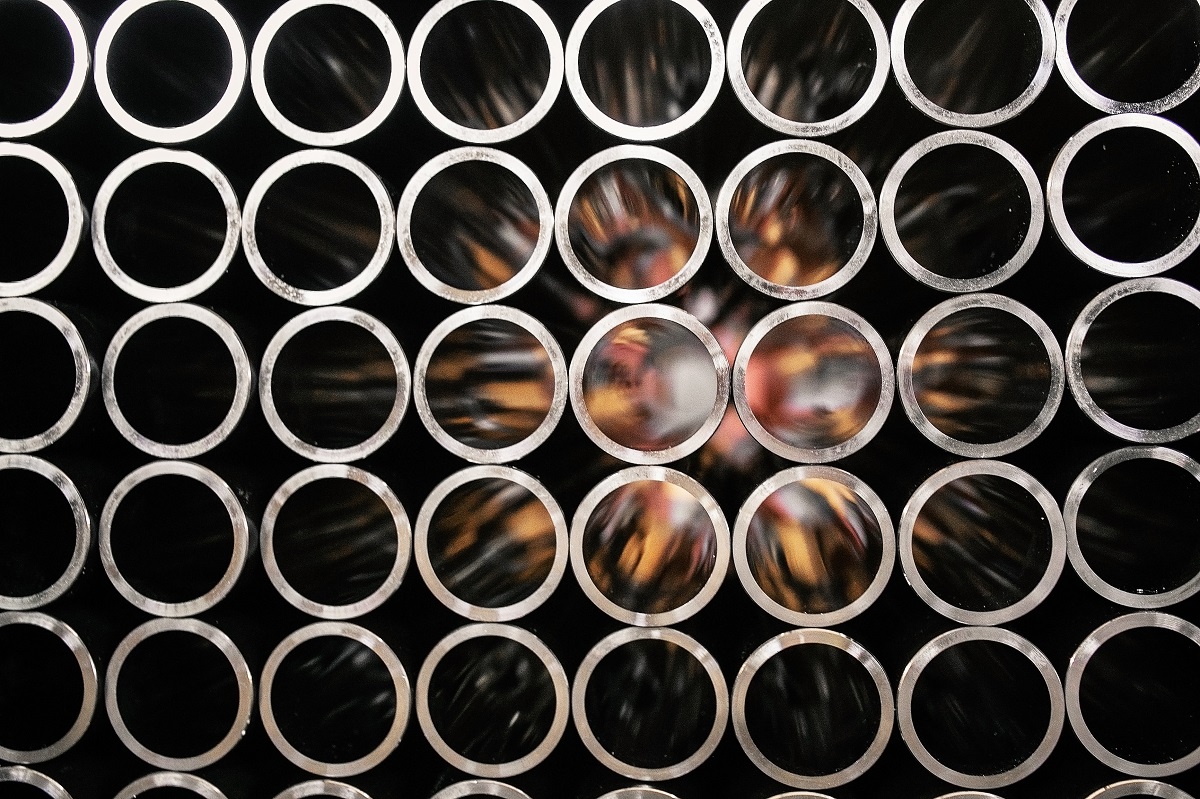
Black iron pipe usually has a dark surface, while galvanized pipe has a zinc finish that can range from shiny silver to matte gray. Appearance alone does not establish the pipe’s grade, wall thickness or suitability for a project.
Applications
Gas and water lines need the pipe and connections specified for the system. For fire protection, compare Supreme’s fire sprinkler pipes with the project design and required approval documents. A BI or GI label alone is not a system approval.
Outdoor railings, scaffolding frames, fences, sewage lines, road signage and farm irrigation have different structural and exposure conditions. A galvanized finish can provide corrosion protection, but pipe selection still depends on the specific job.
Durability
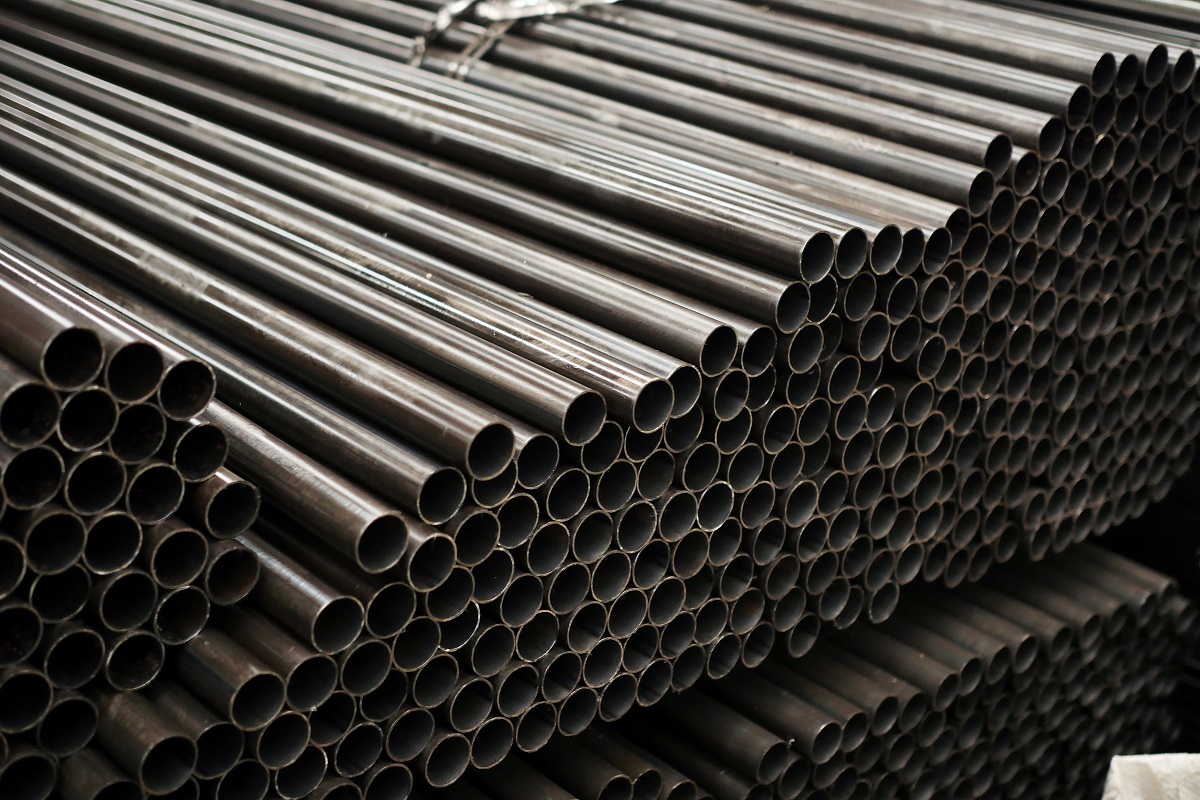
Galvanizing protects the steel from corrosion. It does not, by itself, give the pipe a higher strength or pressure rating.
How long the coating protects the steel depends on its thickness and the exposure conditions. Neither finish has one service life that applies to every installation.
Black iron pipe may need an additional coating or other protection for the exposure. Include inspection and maintenance requirements when comparing the options.
Cost
Galvanizing adds a coating process, but the cheaper quotation is not automatically the better choice. Compare equivalent pipe grades, dimensions, lengths and end preparation, along with any required coating and delivered cost.
Key Takeaway
The difference between black iron and galvanized pipes starts with the finish. The right choice also depends on the product specification, service conditions and corrosion protection the project needs.
Start with what the project requires, then compare Supreme’s BI pipes and GI pipes.
To discuss a quotation, contact Supreme Pipe with the specified pipe, quantities and delivery location.
Author’s Note: This entry was optimized by SEO Hacker.
Share this blog