Overview
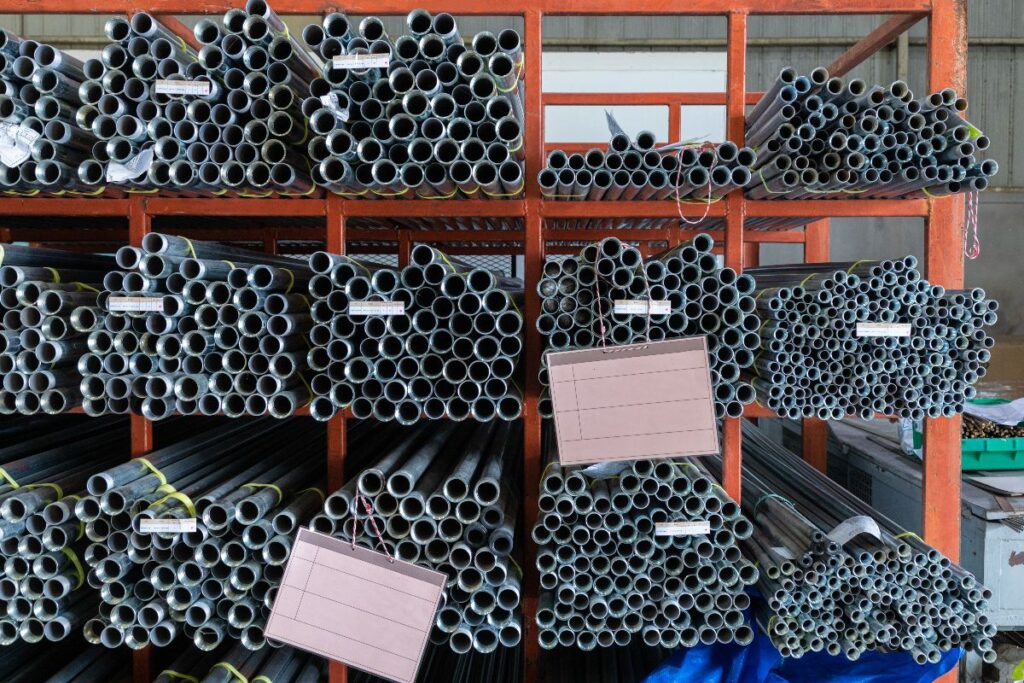
- This article examines the key performance characteristics that define how black iron pipes behave in real industrial environments.
- It breaks down reliability factors such as strength, heat resistance, lifespan, and corrosion behavior, along with the conditions where these pipes perform best.
- It also highlights practical applications in gas systems, fire protection, HVAC, and structural use, as well as essential maintenance practices that help ensure long-term performance.
Procurement decisions in industrial projects rarely come down to price alone. When sourcing pipe materials, safety, compliance, and long-term performance must be factored into every evaluation, especially for critical systems.
Understanding how reliable black iron pipes are requires looking beyond the price tag. The real question is whether affordable options can hold up under real operating conditions without compromising structural integrity or regulatory compliance.
This article breaks down the key performance factors, appropriate applications, and maintenance practices that determine whether black iron pipes are the right fit for your project.
Reliability Factors and Performance
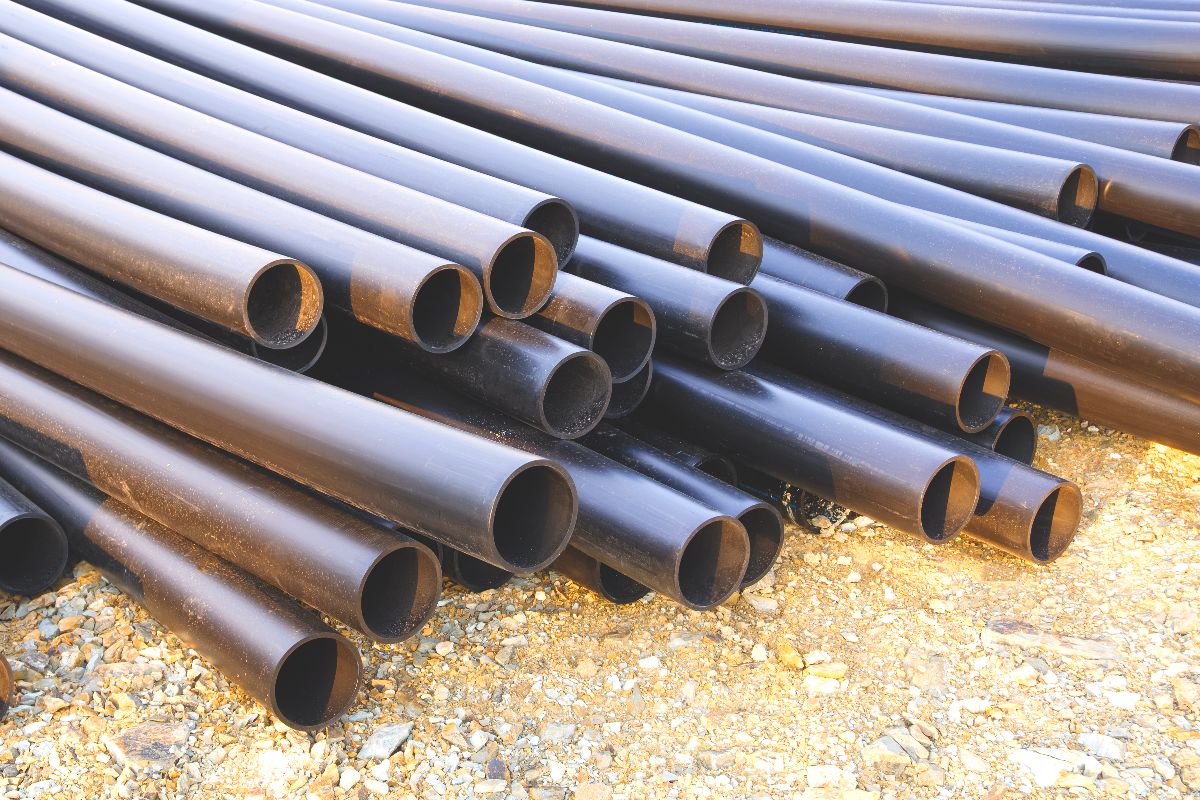
The reliability of black iron pipes is not assessed by a single feature but through a set of performance factors that determine how the material behaves in real operating conditions.
Best for Dry Systems
In a dry system such as a natural gas distribution line or a dry-pipe fire sprinkler system, the interior surface rarely encounters free water. This greatly slows the electrochemical corrosion process, limits oxidation, and minimizes internal pitting, helping preserve the pipe’s wall thickness and mechanical integrity over decades of service.
This is why black iron pipes are considered reliable and cost-effective, especially when the operating environment remains consistently dry and non-corrosive. However, prolonged exposure to moisture or corrosive environments can accelerate deterioration and reduce long-term performance.
High Strength
Black iron pipes are often evaluated for their high strength, which makes them suitable for applications that require consistent pressure handling and structural integrity. This strength comes from a low-carbon mild steel composition, typically around 0.05–0.25% carbon content, that balances durability and ductility.
Pipes built to this specification are engineered to handle high pressure, impact, and moderate heat without easily deforming, making them a structurally dependable option for procurement officers sourcing materials for demanding industrial applications. Reliability is further supported when pipes are manufactured according to recognized standards that help ensure consistent material properties, wall thickness, and overall product quality.
Heat Resistance
Black iron pipes are generally described as highly resistant to heat, up to over 1,000°F (about 538–540°C) due to their low-carbon mild steel composition, which has a melting point well above typical fire-exposure or gas-line temperatures.
This allows them to maintain structural integrity and safely contain gas or hot air, even in demanding environments such as gas distribution conditions. However, heat resistance alone does not eliminate the need for proper installation and application-specific material selection.
Lifespan
Black iron pipes can provide decades of reliable service when properly installed and maintained in suitable indoor environments, as dry conditions significantly slow corrosion and help preserve structural integrity over time.
This range assumes proper sizing, correct installation without issues such as kinks or trapped moisture, and regular maintenance. Environmental conditions, maintenance practices, and exposure to moisture can significantly influence actual service life.
Corrosion Vulnerability
Substandard black iron pipes typically tend to accumulate rust over time. Pipes manufactured with a properly applied black oxide layer and intended for dry, indoor environments are significantly more resistant to corrosion when used under appropriate conditions.
Reliability is generally higher when black iron pipes have a consistent, uniform black oxide finish and are used in environments suited to their intended design. This directly reduces the risk of premature corrosion and the replacement costs associated with material degradation.
When to Use Affordable Black Iron Pipes
Maximizing value is not only about selecting cost-efficient materials but also ensuring they are used in the right applications. Black iron pipes are best utilized in systems where their structural strength and dry-environment performance can be fully optimized.
- Gas Lines: Commonly used in gas line systems due to their strength and ability to safely handle pressurized gas flow in controlled environments.
- Fire Sprinkler Systems: Tolerates high heat and pressure while remaining cost-effective compared with stainless or coated alternatives.
- HVAC Systems: Used for hot-water and steam lines that require stable, long-term performance and structural reliability
- Structural Projects: It is strong, rigid, relatively inexpensive, and easy to fabricate into frames for racks, furniture, and light-duty scaffolding.
How to Ensure Reliability
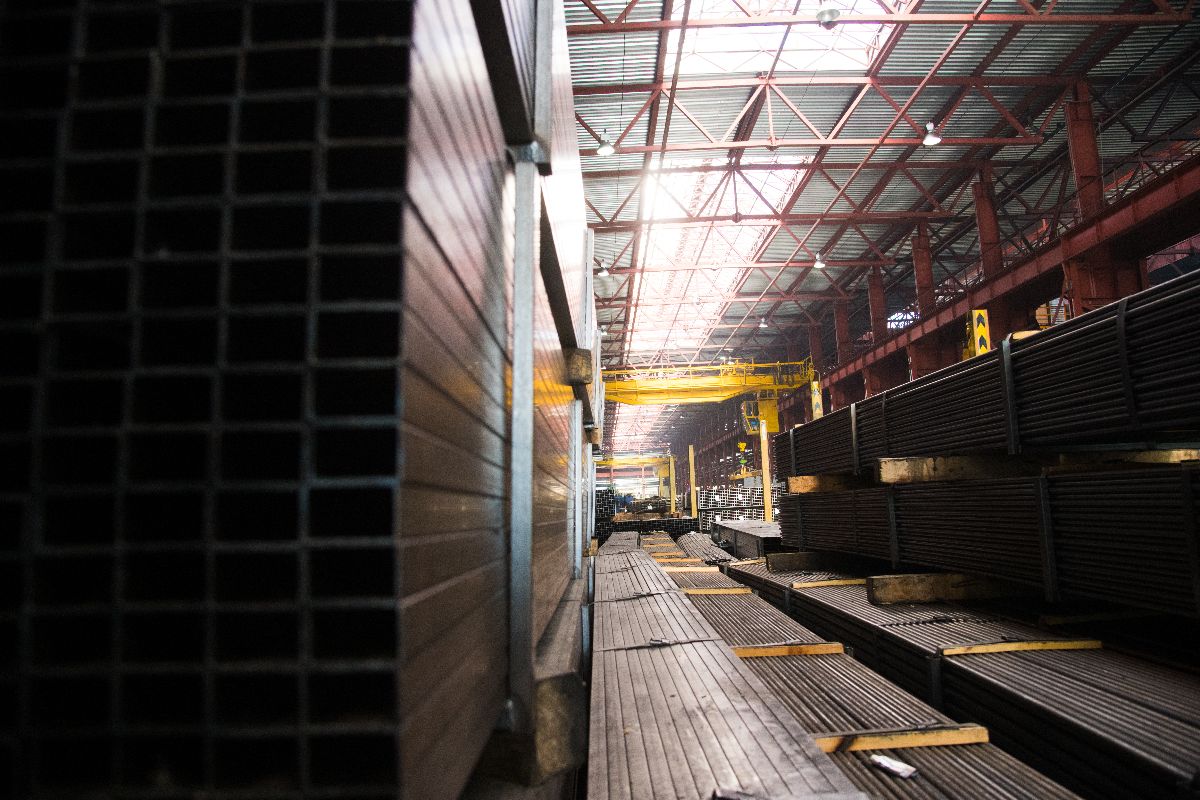
For black iron pipes, reliability is closely tied to correct usage practices that help prevent premature wear, corrosion, or system failure.
- Use Proper Fittings: Use properly tightened threaded connections with correct tools and appropriate sealing materials (thread tape or approved pipe dope) to prevent leaks in gas and pressurized systems.
- Inspect Regularly: Check for surface rust, pitting, or coating damage and clean, repaint, or replace affected sections before they compromise pipe integrity.
- Use Quality Standards: Choose black iron pipes that comply with recognized standards and relevant ASTM specifications. When available, verify supporting documentation to help ensure consistent quality, traceability, and compliance.
- Choose a Trusted Manufacturer: Reliability is also influenced by manufacturing consistency and quality control. Working with established suppliers such as Supreme Pipe can help ensure that black iron pipes meet industry requirements and are supported by proper quality documentation.
Key Takeaway
Knowing how reliable black iron pipes are under real conditions positions you to source smarter, reduce project risk, and maximize long-term value.
Source black iron pipes you can rely on from Supreme Pipe. We offer durable, PNS-compliant pipes built for demanding industrial applications, delivered on time across the Philippines. Contact us today to learn more.
Share this blog