How can you identify high-quality GI pipes in the Philippine market?
- Proper galvanization
- Markings and brand
- Material quality and thickness
- Compliance with standards
- Classification
Overview
Discover key indicators for selecting superior GI pipes in the Philippine market, from uniform zinc coatings and solid adhesion to clear compliance markings.
Evaluate material integrity by checking wall thickness, weight, and defect-free steel, while confirming certifications like PNS 26 and Mill Test reports.
Supreme Steel Pipe Corp. provides ISO-certified Class A, B, and C options tailored for diverse construction needs.
The Philippine construction and plumbing market showcases a variety of GI pipes, but choosing ones that genuinely cater to local standards and project demands requires rigorous assessment. Factors such as material strength, galvanization quality, and adherence to Philippine National Standards (PNS) regulations can significantly influence longevity, performance, and dependability.
In this article, we’ll guide construction managers, procurement officers, and plumbing contractors on how to identify high-quality GI pipes in the Philippine market. You’ll learn practical tips to confirm quality, ensure safety, and select pipes that provide consistent performance for any project.
Proper Galvanization
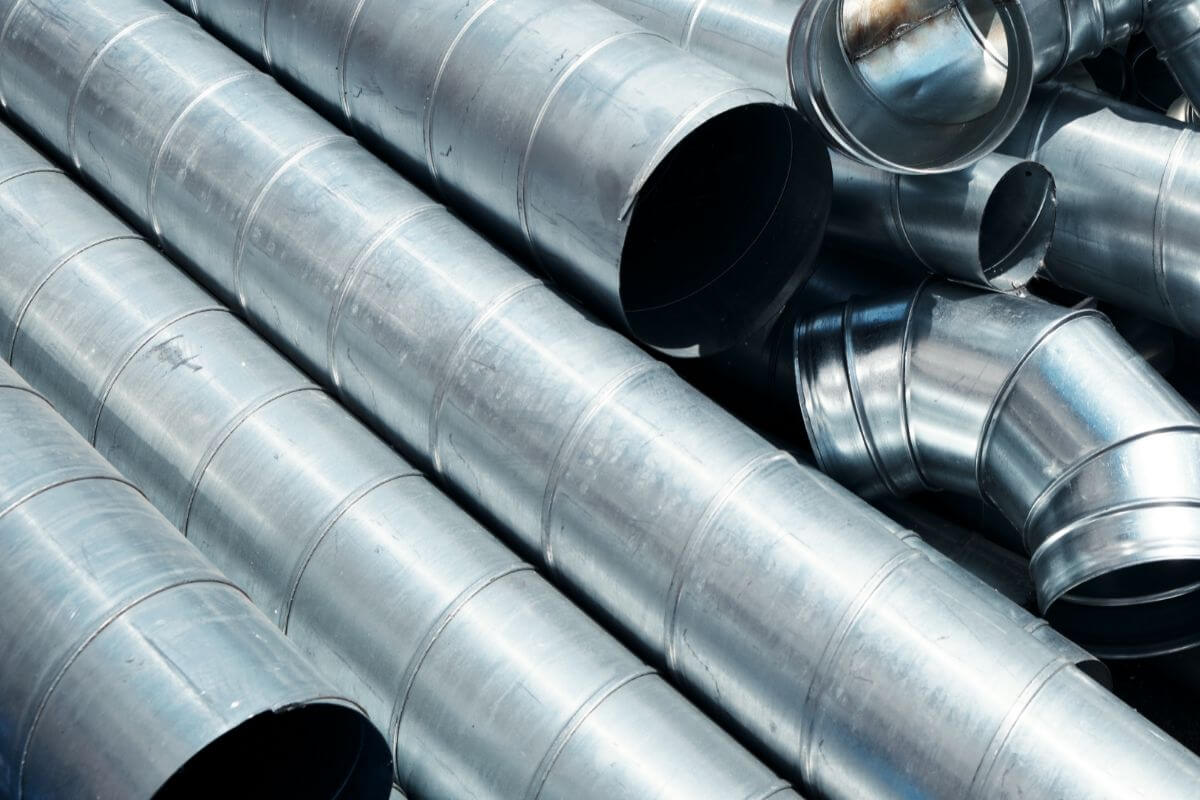
Start by checking the zinc coating thickness and uniformity. Look for a sleek, even layer in the whole pipe surface—patchy, thin, or flaking spots signal poor protection. Next, verify the pipe’s coating adhesion by gently rubbing or tapping the surface; high-quality galvanization must remain intact without peeling or chipping.
Additionally, confirm that the pipe has been made using recognized galvanization processes, such as hot-dip galvanizing, delivering strong corrosion resistance compared to electro-galvanized alternatives.
Adhering to these steps, you can confidently select GI pipes that are well-safeguarded against rust and built to resist Philippine weather and project needs.
Markings and Brand
Look for clearly stamped information such as the brand, pipe size, grade, and standard compliance. After that, assess the reputation of the brand or distributor. Reliable brands maintain consistent quality, offer supporting documentation, and provide technical support when necessary.
Choosing pipes with good markings and a well-recognized brand minimizes the risk of subpar products and guarantees long-term performance for your works.
Material Quality and Thickness
Pipes with inconsistent or strangely thin walls may indicate poor production and are more susceptible to leaks or pressure failure. Compare the pipe’s weight and thickness against standard specifications for its diameter to ensure it accommodates project needs.
Then, verify the overall material quality. The steel should be seamless, free from visible defects like dents, folds, or cracks, and feel solid and stable when managed. Top-quality material guarantees the pipe can resist pressure, corrosion, and the demands of long-term use in construction and plumbing situations.
Compliance with Standards
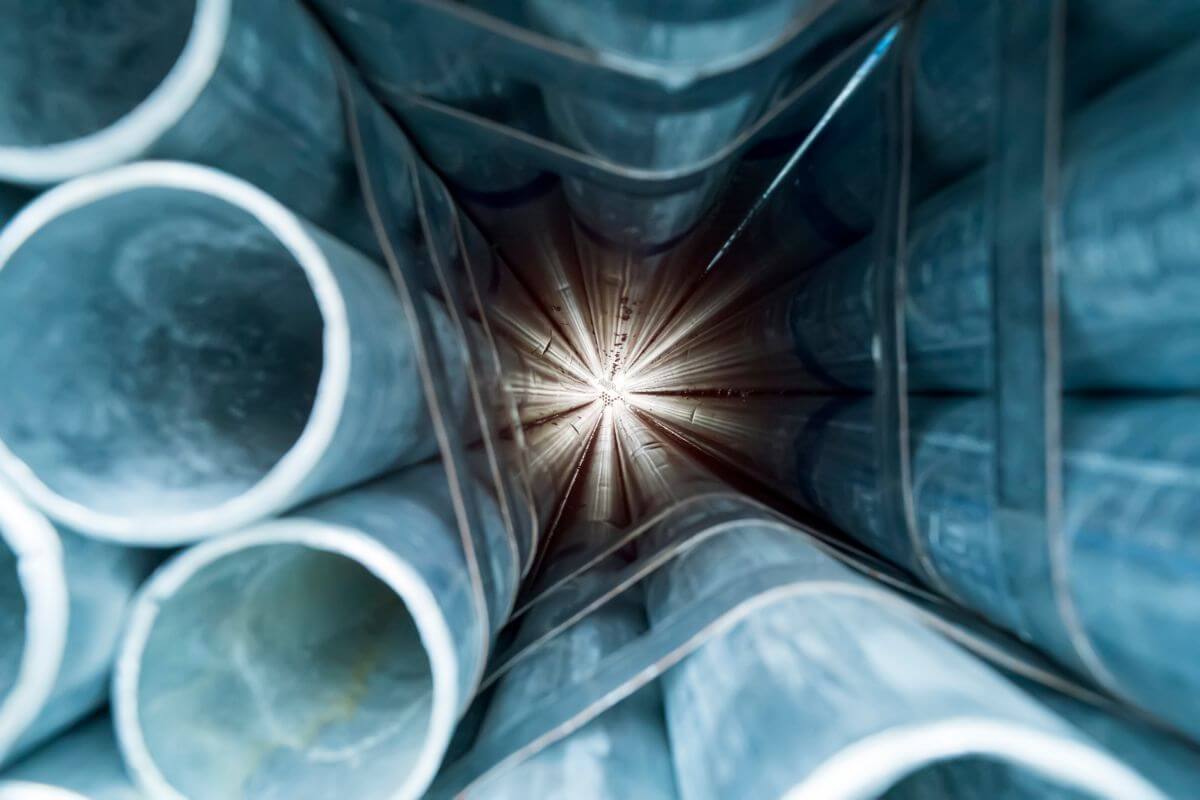
Check if the GI pipe is marked or accompanied with certifications that confirm adherence to regulations, like PNS 26 for manufacturing, dimensions, and performance, or PNS 49 for correct tensile strength, yield strength, and bendability.
Additionally, request or review the Mill Test Certificate (MTC) from the supplier. This document verifies the chemical composition, mechanical features, and compliance with policies, giving you confidence that it’s suitable for your specific project.
Complying with these safeguards your project from failures, lowers upkeep costs, and makes sure lasting performance.
Classification
In the Philippines, GI pipes are primarily classified based on wall thickness, diameter, and intended application—for instance, pipes for general water distribution versus industrial use.
Then, review that the pipe’s classification matches your project requirements. Using it with the appropriate classification ensures it can manage the expected pressure, flow, and environmental conditions, helping avoid premature failure and recurring replacements.
Ensure High-Quality GI Pipes with Supreme Steel Pipe Today
When it comes to choosing GI pipes in the Philippines, Supreme Steel Pipe Corp. delivers a variety of high-quality, certified products that meet local policies and project demands. Our pipes are produced for consistent strength, sizing, thickness, finish, and fitting, which ensures reliability and long-lasting performance.
At Supreme Pipe, we offer ISO and TUV Rheinland-certified products and carry the official PS mark, in three classes, so you can be confident in their quality:
- Class A (Light): Light gauge pipes; the most affordable option for general or low-pressure applications.
- Class B (Medium): Heavier than Class A; perfect for most projects as a balance between cost and durability.
- Class C (Heavy): Thickest and most durable; ideal for high-pressure piping or demanding applications.
Key Takeaway
Understanding how to identify high-quality GI pipes in the Philippine market is essential for ensuring durability, safety, and long-term performance. By assessing material quality, coating, classification, and compliance with local policies, construction managers, procurement officers, and plumbing contractors can make well-informed decisions.
For projects that demand dependability and certified products, Supreme Steel Pipe Corp. offers various GI pipes in Class A, B, and C grades, all backed by ISO, TUV Rheinland, and PS mark certifications. Contact us today to associate with a trusted GI pipe supplier and ensure your programs use high-performing piping systems.
Share this blog