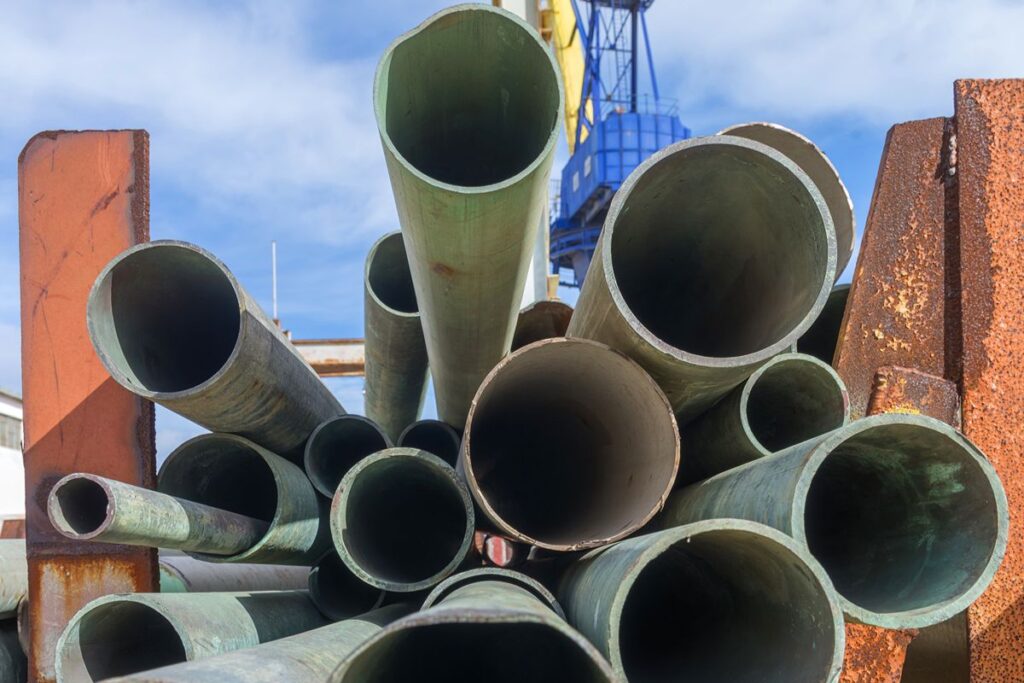
Why does pipe quality matter in flood-prone construction projects?
- Structural integrity and load resistance
- Hydraulic efficiency and blockage control
- Corrosion and contamination resistance
- Financial and safety impact
Overview
- Pipe quality affects structural performance, drainage efficiency, corrosion resistance, safety, and long-term costs in flood-prone construction.
- Evaluating standards, certifications, dimensions, welds, coatings, environmental suitability, and installation quality helps ensure pipes can withstand demanding flood conditions.
- Supreme Pipe provides GI and BI steel pipe solutions with varied specifications and supply support for construction and infrastructure projects across the Philippines.
In flood-prone areas of the Philippines, pipe quality is not a minor procurement detail—it can influence long-term safety, durability, and project performance. Heavy rainfall, standing water, sediment, and contaminated runoff place additional demands on piping materials in construction projects exposed to recurring flooding.
In these conditions, pipe selection carries more weight than cost or availability alone. Repeated inundation, soil saturation, and debris-laden runoff place added stress on materials, so the pipe must perform reliably under the conditions the project will actually face.
To better understand why pipe quality matters in flood-prone construction projects, this article looks at the factors that can influence pipe performance in these demanding environments.
Structural Integrity and Load Resistance
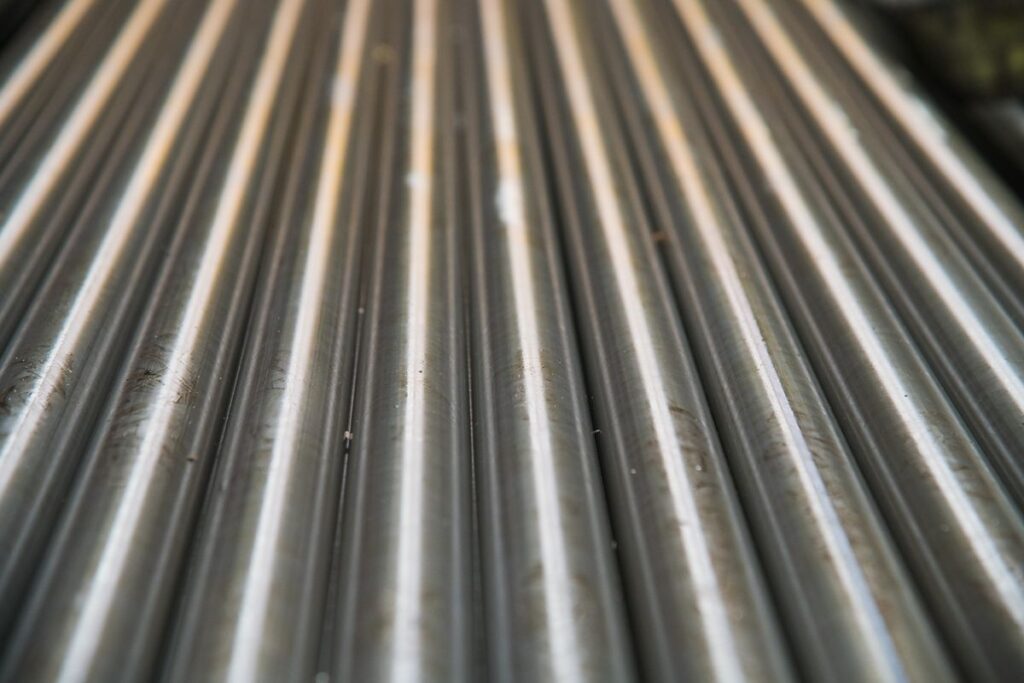
Floodwater can expose pipes to more than hydrostatic pressure. Soil movement, traffic loads, debris, and changing ground conditions can place additional stress on buried or supported piping, making consistent mechanical properties important to maintaining structural performance.
Inconsistent wall thickness, poor weld quality, or dimensional defects can increase the risk of deformation, leakage, and joint problems under these conditions. Pipes with verified dimensions and mechanical properties provide a more predictable basis for installation, particularly in drainage, utility, and structural applications where failure can lead to costly rework or disruption. Reviewing mill certificates and dimensional reports before procurement gives contractors a documented basis for confirming that pipes meet the mechanical properties required for flood-exposed installations.
Hydraulic Efficiency and Blockage Control
Drainage systems in flood-prone areas need to move water efficiently when rainfall and runoff increase rapidly. Pipe quality can influence that performance through internal diameter consistency, straightness, surface condition, joint alignment, and resistance to deformation.
Even relatively small changes to the available flow area can affect drainage capacity, while rough welds, dents, scale, and other irregularities can give sediment and debris more opportunity to accumulate. For sites exposed to silt, leaves, plastic waste, or flood-borne debris, you should check internal diameter, joint alignment, and surface finish to confirm the pipe can maintain flow under these conditions. Reviewing manufacturer specifications for internal bore consistency also helps confirm the pipe can maintain design flow rates over its service life.
Corrosion and Contamination Resistance
Repeated exposure to moisture, floodwater, groundwater, and contaminated runoff can increase corrosion pressure on steel piping, particularly in humid, coastal, or chemically aggressive environments. The condition and suitability of the pipe’s protective system therefore have an important effect on service life.
Galvanized Iron (GI) pipes provide zinc coating protection that can help limit corrosion, while Black Iron (BI) pipes may require another specified protection system depending on the application. When evaluating galvanized pipe, you should also consider coating coverage and condition around cuts, threads, welds, and other areas where protection may be affected. Confirming coating conditions at these vulnerable points before installation helps reduce the risk of early corrosion once the pipe is buried or exposed to flood conditions.
Financial and Safety Impact
Pipe quality affects both project costs and safety in flood-prone construction, since failures in these areas are often harder to access, repair, and contain. A failed drainage line can trigger erosion or undermining, while defective piping in structural supports creates hazards for workers and the public. Replacement work may involve traffic control, demolition, equipment downtime, or disruption to occupied spaces, adding cost well after installation is complete.
Comparing total installed value instead of purchase price alone therefore gives you a clearer basis for weighing material quality, maintenance requirements, and potential failure costs. Factoring these risks into procurement decisions early helps construction teams avoid the higher costs and safety exposure that come with addressing material failures after installation.
How to Evaluate Pipe Quality for Flood-Prone Construction
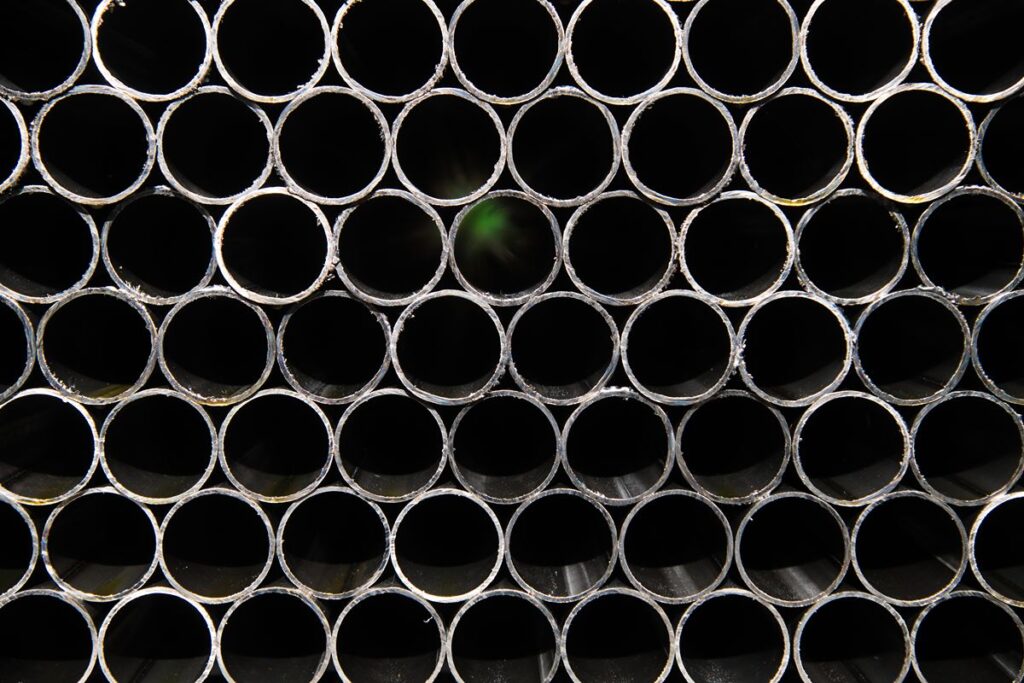
Evaluating pipe quality requires more than checking appearance or comparing supplier prices. These include:
- Confirm the applicable standard (PNS, ASTM, API, or project specification)
- Verify PS certification, mill test certificates, and product markings
- Measure diameter, wall thickness, length, and straightness
- Inspect welds and surface for cracks, dents, or defects
- Check galvanized coating for uniform, intact coverage
- Match pipe specifications to site flooding, soil, and debris conditions
- Confirm proper bedding, alignment, and backfill during installation
Explore Quality Pipe Solutions from Supreme Pipe
Supreme Pipe has manufactured GI and BI steel pipes in the Philippines since 1991, with products backed by TUV Rheinland, ISO 9001:2000, and PS Mark certifications. Our manufacturing processes are built around consistent dimensions and controlled metal preparation, helping ensure pipes perform predictably in demanding conditions such as flood-prone sites.
We also maintain a nationwide logistics network with authorized distributors, supplying heavy gauge, light gauge, and specialty steel pipe options with dependable documentation for ongoing projects. Our team can help you identify pipe specifications suited to your project’s flood exposure, application, and environmental conditions relevant to your site.
Key Takeaway
There are many reasons why pipe quality matters in flood-prone construction projects, and understanding these factors gives you a stronger basis for evaluating materials beyond purchase price alone.
At Supreme Pipe, we provide steel pipe solutions for demanding construction applications across the Philippines. Contact us today to discuss your project requirements and identify an option suited to your application.
Share this blog