Overview
- Heavy gauge pipes support demanding construction needs in the Philippines, particularly where strength, durability, and load resistance are essential.
- Common applications include scaffolding, foundations, columns, water and drainage systems, fire protection, and gas distribution, with pipe specifications matched to each use.
- Supreme Pipe supplies GI and BI heavy gauge steel pipes in various specifications to support structural, utility, and other construction applications across the Philippines.
Construction projects in the Philippines face demanding conditions shaped by a tropical climate and frequent seismic activity, including heavy rainfall, humidity, coastal corrosion exposure, and substantial structural loads that materials must consistently withstand.
Heavy gauge pipes, in their various forms, are widely used across different stages of construction because of their durability and load-bearing capacity, though choosing the right type for each application requires a clear understanding of where and how these pipes are used.
To help you in your search, here are the common applications of heavy gauge pipes in construction.
Structural and Support Uses
Heavy gauge pipes are used as load-bearing or protective structural components when construction work requires durable pipe sections that can handle demanding physical conditions.
Scaffolding and Frameworks
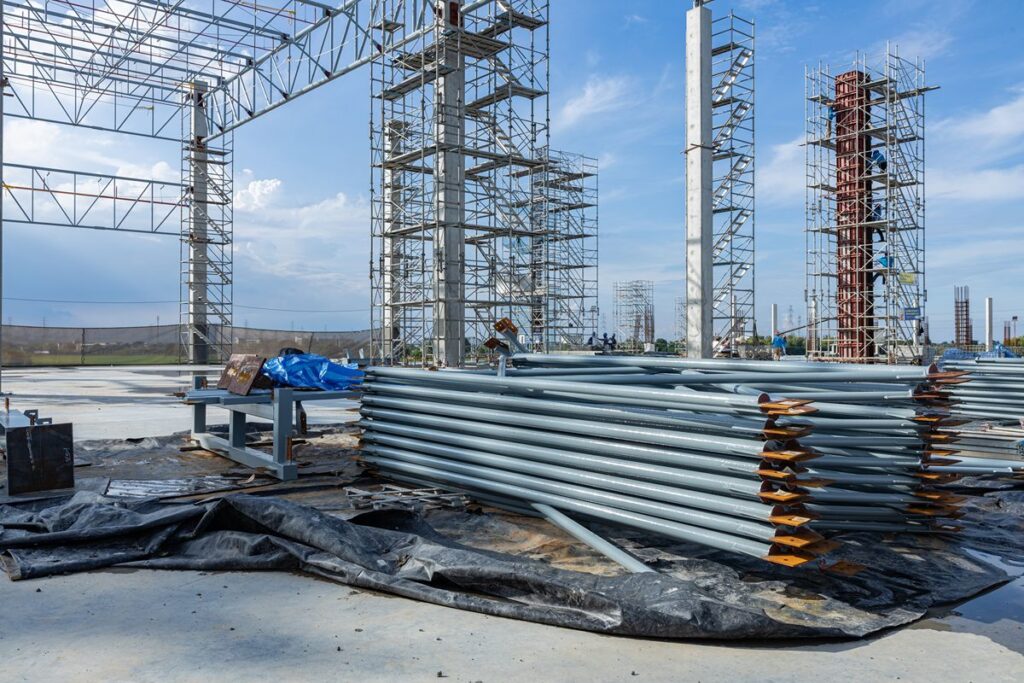
Scaffolding, temporary supports, bracing, handrails, barriers, and other site frameworks can place repeated demands on construction materials. Heavy gauge pipes provide the strength and toughness needed to withstand the weight of workers and materials while remaining practical to assemble, dismantle, and reuse.
This makes them useful on active job sites where rain, uneven ground, wind exposure, and frequent movement of materials can add to the demands placed on temporary structures.
Piling and Foundations
Foundation systems may require steel pipe piles when structural loads need to be transferred through weaker soil toward stronger supporting layers. This application focuses on using the pipe as a driven or installed foundation element that transfers loads into the ground.
These applications can include building foundations, bridges, elevated structures, industrial facilities, marine works, and temporary shoring. The appropriate pipe specification still depends on the project’s design loads, soil conditions, and engineering requirements.
Columns and Posts
Heavy gauge pipes can also serve as round columns, posts, bollards, equipment supports, and other structural members where resistance to compression, bending, and impact is important. Their thicker walls can provide additional resistance to local denting and wear during fabrication and installation.
For commercial, industrial, and other construction settings, these uses are suited to permanent or semi-permanent support members where a round steel section fits the structural design and installation requirements.
Water and Fluid Systems
These pipes can form part of water and fluid-transfer networks when the system requires durable piping suited to its specific operating conditions.
High-Pressure Water Lines
Water systems operating under greater pressure can benefit from thicker-walled steel pipe because the material provides greater resistance to mechanical stress. Common applications include main distribution lines, pump discharge lines, fire-water mains, irrigation systems, and larger site utility networks.
With these systems, it’s best to remember that the required diameter, wall thickness, pressure rating, and joining method should match the system design so that the selected pipe can perform reliably under expected operating conditions. Reviewing manufacturer specifications against the system’s design pressure helps confirm the pipe is suited to the application before installation.
Drainage and Sewage
Steel pipes may also be used in drainage, sanitary, and wastewater applications where external loading, physical impact, and the conditions surrounding wastewater conveyance are important considerations. They can be suitable for larger drainage lines, wastewater transfer, industrial effluent systems, sewer crossings, and exposed sanitary installations.
Application conditions remain important, particularly where the pipe may encounter corrosive materials, sediment, or heavy external loads. For these systems, selection should account not only for pipe strength but also for the characteristics of the conveyed material and the environment surrounding the line.
Fire Protection and Gas
Fire protection and gas piping serve different systems and therefore require application-specific pipe selection based on the service, connection method, and applicable requirements.
Fire Sprinkler Systems
Steel pipes are widely used in fire sprinkler networks because they provide the mechanical strength needed for mains, branch lines, risers, and exposed piping. Their suitability depends on the system specification, pressure requirements, connection method, corrosion protection, and applicable fire protection standards.
Common uses include sprinkler branch lines, floor mains, vertical risers, fire pump discharge piping, and fire hose or hydrant networks in commercial, warehouse, and industrial facilities.
Gas Distribution
Steel pipe can also be used for gas distribution where resistance to mechanical damage and reliable connections are important. Building gas lines, LPG or fuel-gas distribution, industrial process gas systems, and plant utility lines may require steel piping that meets the relevant service and safety requirements.
Because gas applications are highly specification-dependent, pipe selection should account for operating pressure, joint integrity, corrosion protection, and the standards governing the installation. Confirming these details against the applicable code before procurement helps reduce the risk of installation delays or failed inspections.
Why Application Matters When Using Heavy Gauge Pipes
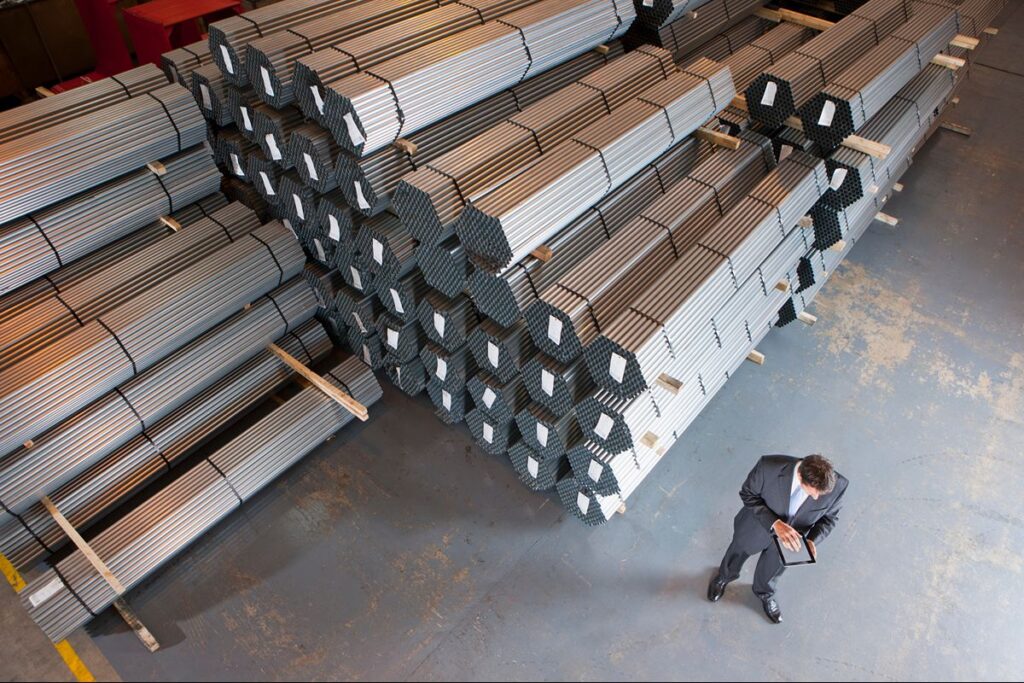
Understanding the application is only the first step; project teams also need to account for procurement and installation requirements before ordering heavy gauge pipes. These steps include:
- Review project drawings, material schedules, and quantity requirements before procurement to align orders with upcoming construction activities.
- Confirm pipe dimensions, connection requirements, and related components so materials are compatible with the intended installation.
- Consider site access, storage space, and handling requirements when planning deliveries, particularly for projects with restricted or difficult site conditions.
- Keep required product documentation and certifications available for quality checks, inspections, and project records.
Discover Heavy Gauge Pipe Solutions from Supreme Pipe
Supreme Pipe has manufactured GI and BI heavy gauge steel pipes in the Philippines since 1991, with products backed by TUV Rheinland, ISO 9001:2000, and PS Mark certifications. Our manufacturing processes are built around consistent dimensions and controlled metal preparation to support projects that require dependable steel pipe specifications.
We also maintain a nationwide logistics network with authorized distributors, supplying heavy gauge pipe in various sizes and specifications with dependable documentation for ongoing projects. Our team can help you select the right specification based on your project’s structural loads, system requirements, and site conditions.
Key Takeaway
By understanding the common applications of heavy gauge pipes in construction, you can better anticipate future project requirements and choose materials that ensure long-term performance, safety, and reliability across evolving site conditions.
At Supreme Pipe, we provide heavy gauge steel pipe solutions for construction projects across the Philippines. Contact us today to discuss your project requirements and find an option suited to the application.
Share this blog