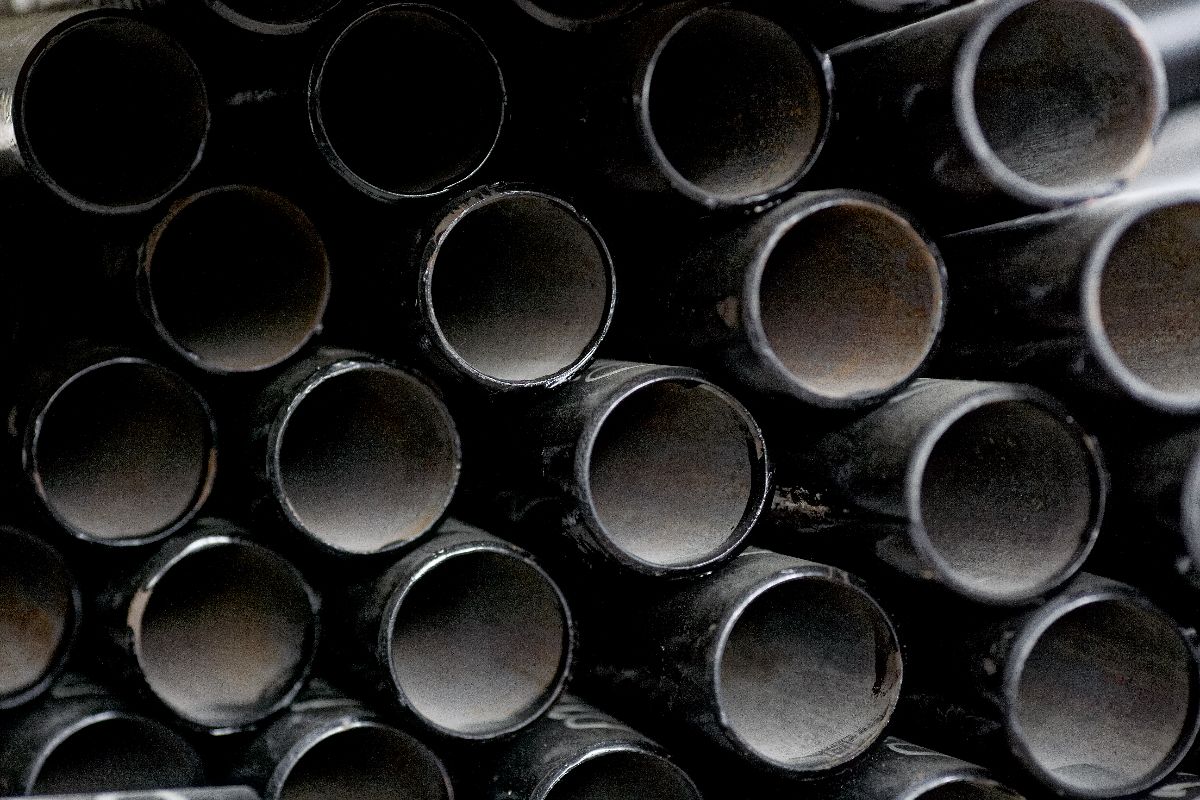
How to Spot Substandard Black Iron Pipes before Buying
Overview
- Spot substandard black iron pipes through visual checks for surface irregularities, folding lines, cracks, unusual colors, oval shapes, and early corrosion, which signal manufacturing flaws and future failures.
- Conduct physical tests like scratching for coating durability, magnet verification for ferrous material, and weight comparisons to ensure thickness and compliance.
- Supreme Steel Pipe Corp. offers certified, reliable alternatives with full documentation and support for lasting project success.
Before any black iron pipe is delivered to a job site, important decisions are already being made that can determine the safety, durability, and overall success of a project.
For construction managers, foremen, and plumbing contractors, buying the wrong ones may result in leaks, system failures, expensive repairs, and unexpected delays.
In this article, we’ll help you understand how to spot substandard black iron pipes in the Philippines before purchasing, equipping you with practical inspection tips and quality indicators. Therein, you can confidently choose BI pipes that cater to project needs and avoid inadequate structural integrity over time.
Visual Inspection
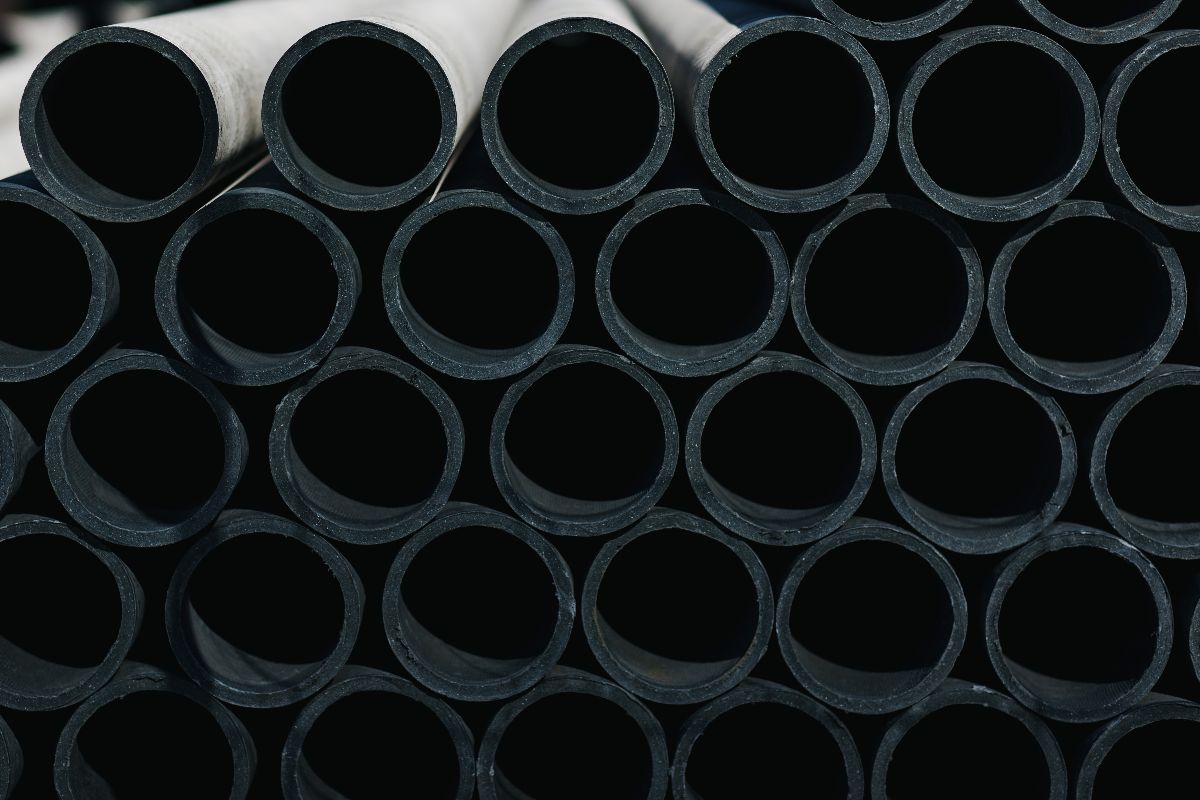
This is often the first and most accessible step in determining substandard black iron pipes. By closely assessing surface condition, finish, and overall appearance, purchasers can immediately notice visible red flags that may signal poor production quality or improper management.
Surface Irregularities
These are evident imperfections, such as rough patches, dents, waviness, uneven thickness, or poorly finished weld seams, that weaken the pipe’s structural integrity.
Technically, such flaws suggest inappropriate rolling, welding, or cooling procedures, and while they may seem minor, they can lead to leaks, stress points, and premature failure once it’s installed.
Folding Lines and Cracks
These are visible defects that appear as uneven creases or ridges on the pipe’s surface, caused by improper rolling where the metal fails to form smoothly. Cracks, on the other hand, are small splits or fractures that indicate weakened metal and can gradually grow, which increases the risk of leaks or pipe failure when subjected to pressure.
Unusual Colors
Discoloration such as patchy rust, bluish or rainbow-like stains, or different dark and light areas may suggest inadequate heat treatment, contamination, or prolonged exposure to moisture before sale.
These color inconsistencies can be early warning signs of reduced corrosion resistance and shorter service life, making the pipe less reliable for construction or plumbing applications.
Oval Shape
An oval shape happens when a BI pipe is not perfectly round, due to poor forming, rolling, or handling during creation. Instead of maintaining a continuous circular cross-section, it appears flattened or slightly distorted, which can influence its structural integrity and how it fits with other piping elements.
Pipes with this defect may have weak points, which make them more susceptible to leaks, pressure failures, or difficulty during installation.
Corrosion
Corrosion is the gradual deterioration of metal caused by chemical reactions with its environment, such as vulnerability to moisture or oxygen. Even small spots of this can weaken the pipe in the long run, which minimizes its strength and durability.
Recognizing signals of rust before buying is important, as corroded pipes are more likely to fail under pressure and may result in recurring repairs or replacements.
Physical Testing
It’s a key step in evaluating the quality of BI tubes beyond what can be seen with the eye. By measuring features like thickness, weight, and dimensional accuracy, buyers can confirm that the IT meets sectoral regulations and is suitable for its intended application.
Scratch Test
It’s a simple physical check used to assess the surface hardness and coating quality of black iron pipes. It’s done through lightly scratching the pipe with a tool or key; buyers can distinguish if the protective layer or the metal itself is consistent and durable.
Pipes that easily scratch or flake may have thin or uneven coatings, which indicate lower quality and a higher risk of corrosion or premature wear.
Magnet Test
It’s a prompt assessment wherein by placing a magnet on the pipe, customers can verify whether the material is ferrous, which is expected for standard black iron pipes. BI pipes that show inconsistent magnetic attraction may have impurities, incorrect alloying, or creation defects that could compromise strength and structural integrity.
Weight Check
It’s a practical process to examine whether a black iron pipe meets the right thickness and product policies. By lifting or weighing the pipe, you can compare it to common weight specifications for its size and length.
Pipes that feel strangely light may have thin walls or conventional material, increasing the risk of leaks, pressure failure, or reduced durability.
Documentation and Professional Assessment
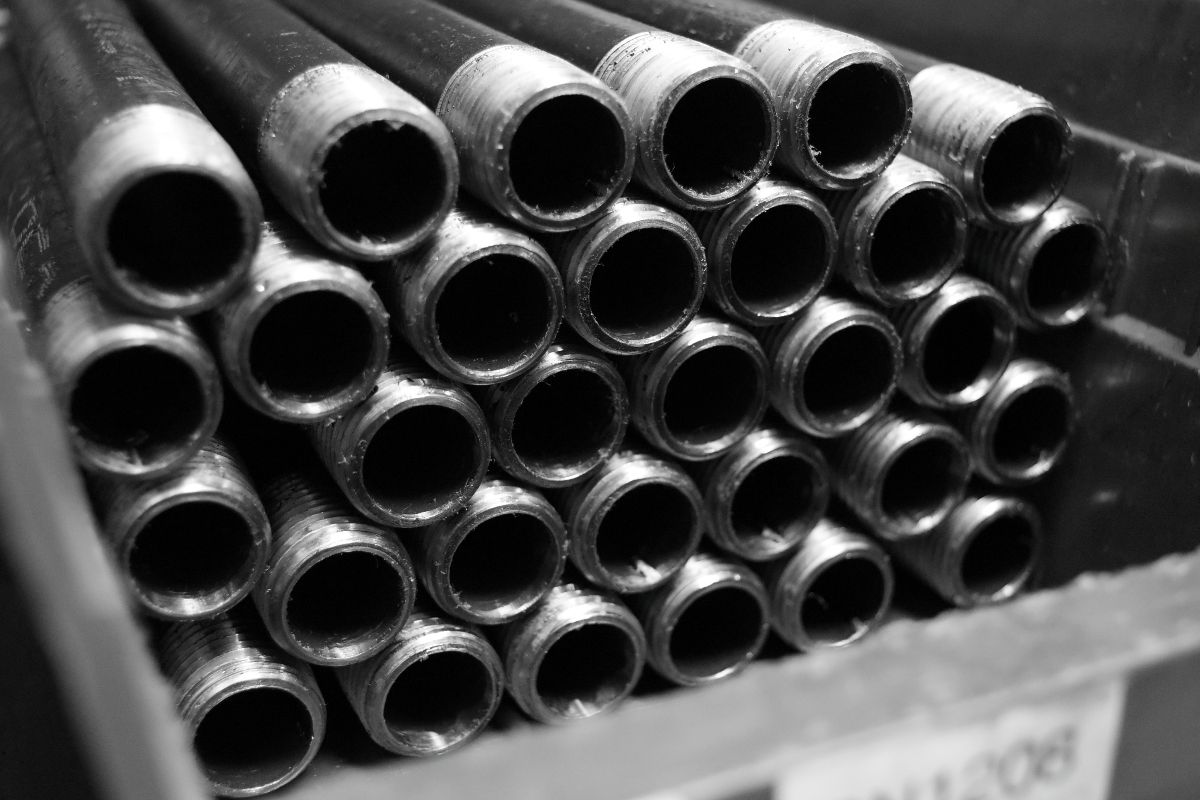
Before finalizing a purchase, reviewing papers and looking for specialized assessments are vital steps in ensuring the quality of black iron pipes. Certificates, test reports, and distributor records provide proof of production standards, material composition, and compliance with industry regulations.
Manufacturer Markings and End-to-end Support
Markings on the pipe, such as brand stamps, grade labels, and size specifications, help distinguish that it caters to sectoral standards and traceability demands. In addition, suppliers who offer comprehensive support, including technical guidance, quality documentation, and after-sales service, ensure that consumers have the assistance necessary to select, inspect, and install pipes adequately.
Mill Test Certificates
These are official documents given by the manufacturer that confirm a black iron pipe’s chemical composition, mechanical properties, and adherence to industry standards. These certificates offer customers confidence that the pipe meets the required specifications for strength, durability, and safety.
Choose Quality and Reliability with Supreme Steel Pipe Corp. Today
When it comes to black iron pipes, starting with top-quality materials is just as important as correct inspection. Supreme Steel Pipe Corp., a trusted BI supplier in the Philippines, lives up to its commitment to innovation, excellence, and dependability, providing a variety of certified steel tubes that cater to sectoral policies.
Our products, including galvanized iron (GI), spiral, and red-painted pipes, are manufactured with accuracy to guarantee consistent strength, durability, and corrosion resistance for every project. Beyond top-quality products, we also deliver end-to-end support that aims to help contractors, foremen, and plumbing specialists make confident, informed procurement decisions.
Key Takeaway
Understanding how to spot substandard black iron pipes is essential for ensuring the safety, durability, and cost-effectiveness of any construction or plumbing project. Learning to determine visual defects, perform basic physical tests, and review proper documentation allows you to make good decisions and avoid costly mistakes caused by poor-quality materials.
For those looking to start their projects with confidence, Supreme Steel Pipe Corp. offers a wide range of high-quality, certified black iron pipes. Contact us today to explore our product line and ensure your projects are equipped with reliable, durable, and safe piping solutions.