What are the steel pipe standards in the Philippines for contractors and buyers?
- Material composition and grade
- Dimensions and tolerances
- Mechanical strength and pressure ratings
- Testing, inspection, and certification requirements
- Proper marking and labeling
Overview
Steel pipe standards in the Philippines ensure safety, quality, and regulatory compliance across construction and plumbing projects.
Material composition, grade, dimensions, tolerances, and pressure ratings define performance, while proper certification, verified testing, and consistent marking guarantee reliable installation.
Suppliers certified to these standards deliver pipes that align with international benchmarks and provide durable, corrosion-resistant, and code-compliant solutions for contractors and buyers.
Navigating supplier qualification, specification consistency, and regulatory approvals becomes significantly more manageable when your procurement team understands how local standards align with international benchmarks.
That understanding starts with knowing what these standards actually require and how they apply to your everyday sourcing decisions. Familiarity with steel pipe standards for contractors and buyers supports well-informed sourcing decisions and ensures consistent material quality across your projects. Without this foundation, you risk sourcing materials that fail inspections, delay timelines, and inflate project costs.
In this article, we’ll take a closer look at these standards and what they mean for your procurement decisions.
Material Composition and Grade
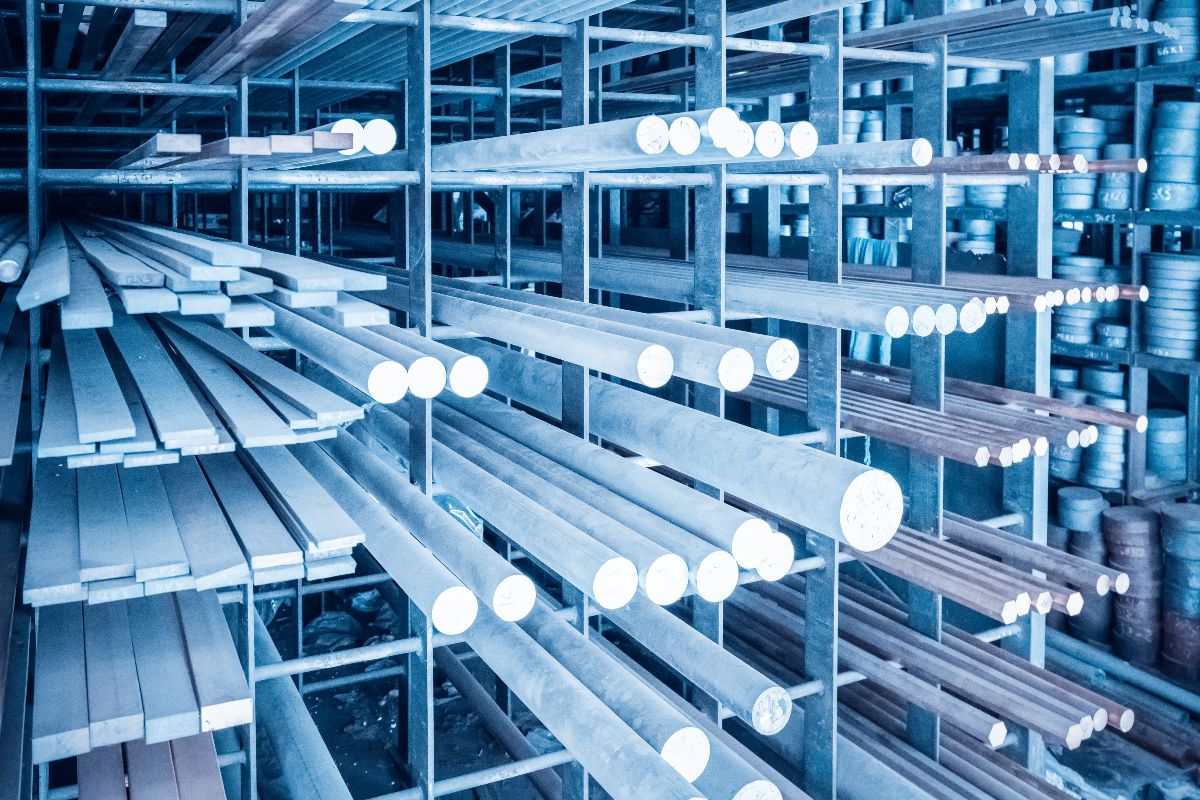
Not all steel pipes are created equal. Material composition and grade go beyond technical specifications and directly affect whether the pipes you source meet Philippine standards for compatibility and corrosion resistance.
The Philippine National Standard (PNS) 26 is the governing standard for steel pipe manufacturing in the Philippines, covering material composition, dimensions, mechanical properties, and testing requirements. Under this specification, the pipes you procure are manufactured using a controlled material composition that improves weldability, maintains adequate strength for low-stress applications, and prevents the brittle failures commonly seen in poorly formulated pipes used for plumbing and water distribution systems.
For galvanized pipes, zinc coating thickness and uniformity play a critical role in resisting corrosion, especially in the Philippines’ humid and coastal environments. Pipes that comply with BPS PS Mark certification confirm adherence to these material and grade requirements, giving your procurement team assurance of consistent performance and reduced regulatory risk.
Dimensions and Tolerances
High-quality steel pipes can still underperform if their dimensions are not precise. Maintaining exact measurements and tight tolerances ensures pipes fit seamlessly with fittings and valves in your installations, avoiding leaks and misalignments.
PNS 26 sets strict requirements for nominal pipe sizes (NPS), including outer diameter tolerances (typically ±1/64″ to ±1/32″), wall thickness tolerances (±12.5%), and pipe length. Color-coded gauges, blue for heavy and red for light, help distinguish variants and ensure consistent material use across plumbing and structural applications.
When evaluating suppliers, those that hold PNS 26 PS Licensing and offer both heavy and light gauge options with clear color coding give your procurement team a reliable compliance benchmark. Alignment with ASTM A53 equivalents further confirms that the materials you source meet both local and international regulatory requirements.
Mechanical Strength and Pressure Ratings
Inadequate strength or incorrect pressure ratings are common causes of steel pipe failures in construction and water systems. When the materials you source fall short of PNS 26 requirements, your project absorbs the cost of that gap through failed inspections, structural risk, and rework.
These standards establish minimum mechanical properties and pressure ratings to ensure pipes can reliably handle their intended loads while meeting regulatory obligations.
Verifiable mechanical properties are a key differentiator when evaluating suppliers. PNS 26-certified pipes carry independently verified yield and tensile strength ratings, giving your procurement team concrete benchmarks to use against supplier documentation and flag non-compliant imports before they reach your site. The BPS PS Mark confirms these properties have been independently verified, reducing the compliance exposure that comes with sourcing from uncertified suppliers.
Testing, Inspection, and Certification Requirements
Steel pipes that lack proper testing and certification can cause project delays and fail DPWH or local inspections, leading to costly rework or replacement on your project. PNS 26 requires rigorous factory testing, including hydrostatic pressure tests, tensile strength verification, and chemical analysis, all supported by audits from BPS-accredited laboratories to secure PS Licensing.
Reputable suppliers proactively provide PS Mark labeling with batch codes, Certificates of Conformance, and documented arrival inspection records, giving your team the paper trail needed to prevent compliance issues before they affect your timeline.
As a PS Mark-licensed manufacturer of black iron and galvanized pipes, Supreme Steel Pipe backs every batch with ISO 9001:2015 certification, confirming standardized testing and quality management from production through delivery.
Proper Marking and Labeling
Proper markings and labels on steel pipes not only identify the material but also confirm compliance with PNS 26 standards and streamline regulatory inspections. These markings verify adherence to specifications for dimensions, strength, and testing, helping facilitate smooth DPWH and BPS audits.
Pipes must be legibly marked by rolling, stamping, or stenciling (typically on both ends) with:
- Manufacturer’s trademark or name/logo
- Class of pipe: light gauge (red) or heavy gauge (blue)
- Length (in meters)
- Nominal diameter (in mm)
- “Product of the Philippines” or country of origin; PS Mark (with license number) for locals; ICC Mark for imports
- Additional RA 7394 Consumer Act requirements (e.g., batch/heat number, manufacture date)
All black iron (BI) and galvanized pipes (GI), even those carrying ASTM markings, must display these Philippine-specific labels to be legally sold and used on your projects.
Key Takeaway
Understanding steel pipe standards for contractors and buyers is what positions your procurement team to source with confidence, reduce compliance risk, and deliver projects that hold up to regulatory scrutiny from the ground up.
Partnering with Supreme Steel Pipe guarantees PNS 26-certified, corrosion-resistant, and internationally benchmarked pipes. Contact us today to secure code-compliant materials for your next project.
Share this blog