Understanding the Different Grades of Steel Pipes in the Philippines
Overview
- Steel pipes in the Philippines adhere to standards like PNS 26/49 for plumbing and structural uses, API 5L for pipelines, and ASTM A53/A106 for high-temperature or general applications.
- Key types, like carbon, galvanized iron, alloy, and stainless, offer tailored strength, corrosion resistance, and heat tolerance for construction, industrial, and water systems.
- Supreme Pipe supplies certified options, including GI, ERW, spiral, light gauge, and red-painted pipes to meet diverse project needs reliably.
Steel pipes are not one-size-fits-all, especially in construction and plumbing sectors. From residential structures to large-scale infrastructure projects, commonly available grades are used based on strength, thickness, and intended application.
Understanding the different grades of steel pipes in the Philippines helps decision-makers navigate supplier choices and avoid mismatched specifications. Read on to learn more.
Common Grade Systems
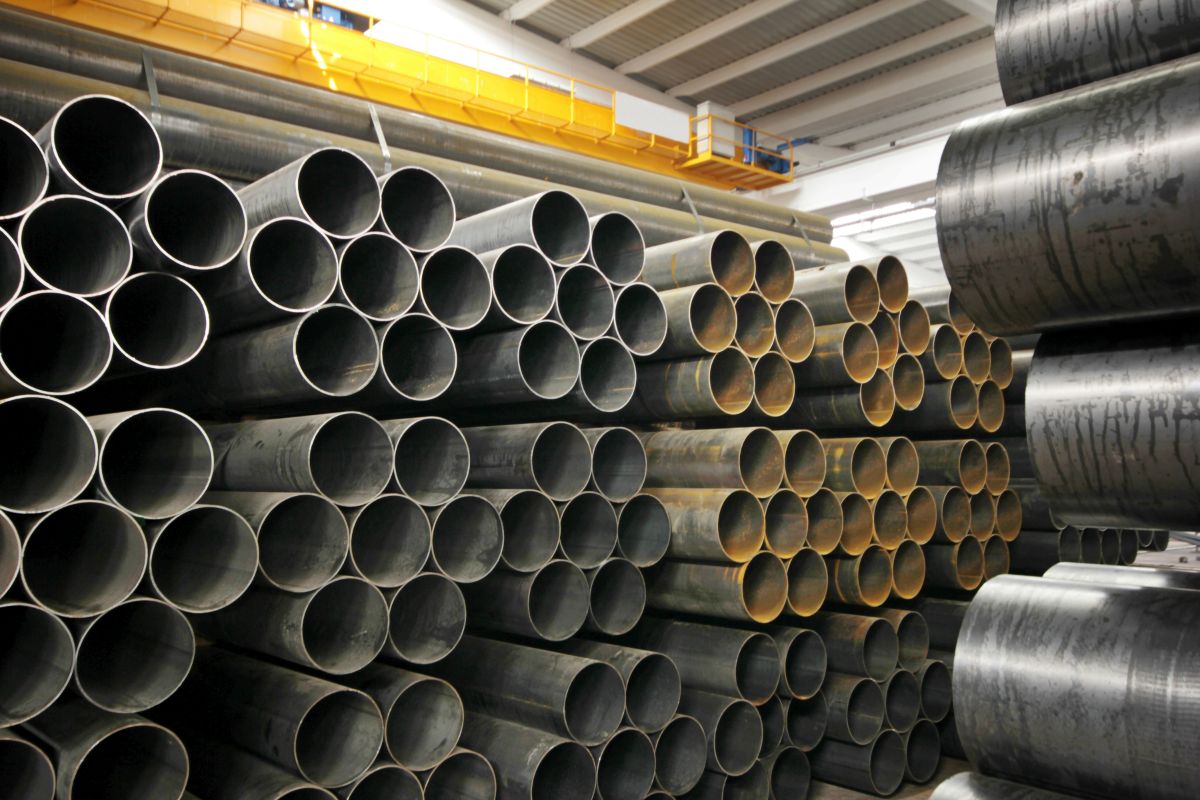
Steel pipes are classified using various grade systems to determine their strength, thickness, and use. Understanding these allows procurement officers and contractors to precisely compare products and choose pipes that meet project needs.
Philippine National Standard
Philippine National Standard (PNS) is an official technical standard developed and issued by the Bureau of Philippine Standards (BPS) under the Department of Trade and Industry (DTI). These regulations define the required specifications for products, such as material composition, wall thickness, dimensions, strength, and safety performance.
For steel pipes, it serves as a benchmark that helps experts verify whether a product is ideal for a specific application. Pipes that comply with it are inspected to perform reliably under expected load, pressure, and environmental conditions.
- PNS 26: Covers galvanized steel pipes for water and general plumbing applications. It specifies the required dimensions, wall thickness, strength, and corrosion resistance.
- PNS 49: Applies to mild steel pipes for structural and mechanical purposes. It sets the technical requirements for pipe dimensions, mechanical properties, and quality control.
American Petroleum Institute
Developed by the American Petroleum Institute (API), API 5L for line pipes is used in transporting oil, gas, and water. It defines the material specifications, mechanical properties, and manufacturing procedures required to ensure they can resist high pressure and extreme operating conditions. Pipes certified to this standard are designed for dependability and safety in pipeline solutions.
American Society for Testing and Materials
It’s an international organization that creates and publishes technical policies for materials, systems, and services. These standards cover everything from mechanical features and chemical composition to examining processes to ensure consistency, safety, and quality in different sectors.
- ASTM A106: It’s a seamless carbon steel pipe for high-temperature service, primarily utilized in power plants, refineries, and industrial applications. It ensures pipes can withstand extensive pressure and heat without compromising strength or safety.
ASTM A53: Use for carbon steel pipes for general structural and mechanical use, including welded and seamless types. It sets requirements for pipe dimensions, strength, and quality to guarantee great performance in construction and piping projects.
Key Pipe Types and Grades
Every steel pipe is designed to cater to particular performance, strength, and application demands. Understanding their corresponding kinds and grades helps contractors and procurement officers opt for the right product for plumbing, structural, or industrial projects.
Carbon Steel
Manufactured in seamless and welded forms, carbon steel pipes are made primarily from carbon and iron, with small amounts of other elements. They are used in construction, plumbing, and industrial applications due to their high tensile strength, affordability, and ability to withstand high pressure.
Applications: Water and gas pipelines, structural frameworks, industrial machinery components, high-pressure systems, fire protection systems
Galvanized Iron (GI)
GI pipes in the Philippines are coated with a layer of zinc to protect against rust and corrosion. They are applied to plumbing, water distribution, and light structural projects where longevity and corrosion resistance are important.
Applications: Water supply lines, plumbing systems, irrigation systems, light structural frameworks, fence and railing installations
Alloy Steel
It’s built by adding elements like chromium, nickel, or molybdenum to carbon steel, which improves strength, hardness, and resistance to heat and corrosion. It’s conventionally used in demanding industrial applications where standard carbon steel may not perform adequately.
Applications: High-pressure pipelines, oil and gas industries, power plants, chemical processing, boiler and heat exchangers
Stainless Steel
These steel pipes are made from steel alloys containing chromium, which provides excellent corrosion resistance and durability. They are ideal for applications where hygiene, long-term performance, and rust resistance are critical.
Applications: Food and beverage processing, pharmaceutical piping, water treatment systems, chemical plants, architectural and decorative structures
Features of Steel Grades
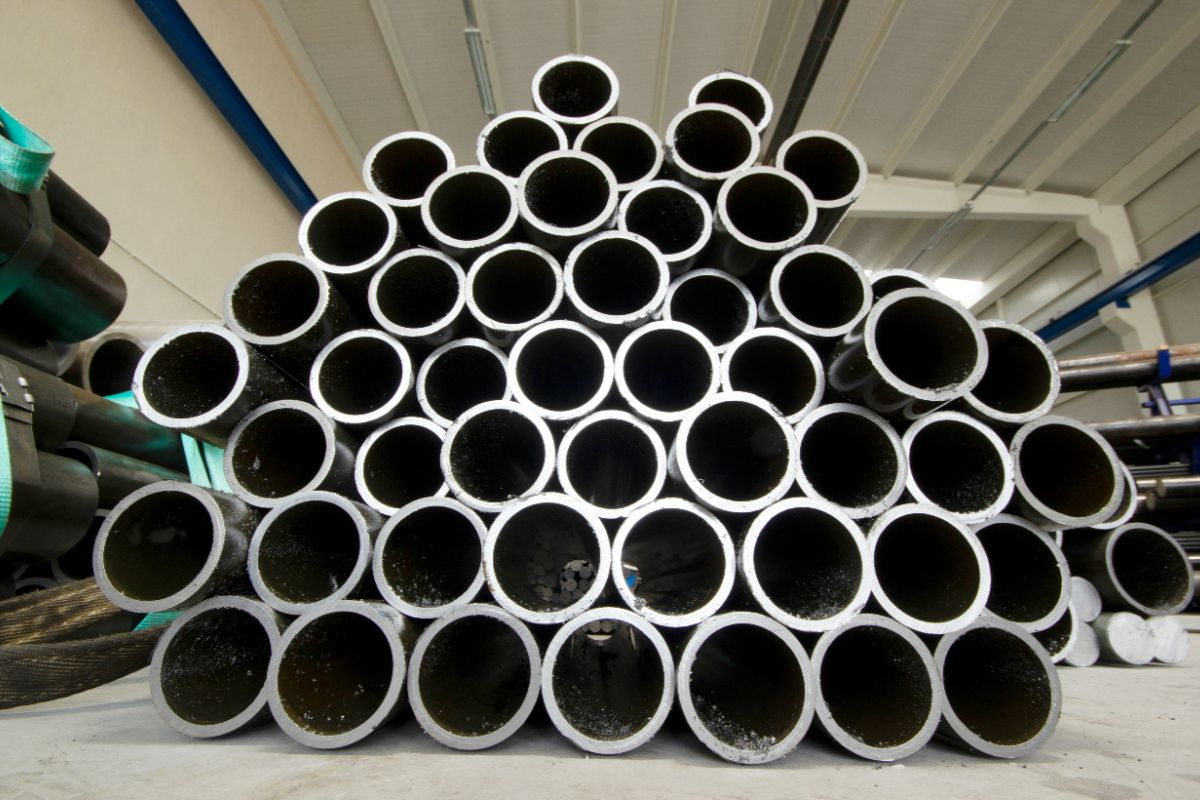
Steel pipes come with certain properties that determine their strength, durability, and suitability for diverse industries. Understanding these features helps you get adequate pipes, whether for plumbing, structural, or industrial use.
Superior Strength
It’s the ability of a steel pipe to stand against extensive pressure, dense loads, and mechanical stress without bending, breaking, or deforming. Pipes with superior strength are typically made from high-quality steel and may include special alloys or heat treatments to enhance durability, ensuring structural integrity.
A Variety of Compositions
The combinations of elements include carbon, chromium, nickel, and molybdenum, allowing manufacturers to produce pipes with great strength, corrosion resistance, or heat tolerance. Having a range of elements guarantees that there is an ideal steel pipe for every construction, plumbing, or industrial demand.
Perfect for High Heat, Pressure, Corrosion, or General Use
Certain grades are designed to withstand high temperatures, intense pressure, or corrosive environments, while others are suitable for everyday plumbing and structural tasks. This versatility allows decision-makers to choose pipes that meet the exact demands of their project without compromising safety or durability.
What You Need to Know in the Philippine Context
Selecting the right steel pipe and knowing where to get it begins by understanding the project’s requirements, environment, and regulatory policies. Diverse uses, whether for water distribution, industrial pipelines, or demanding structures, call for pipes with specific strength, durability, and corrosion resistance.
To address these varied demands, Supreme Steel Pipe Corp. provides a wide range of certified steel pipes that meet industry regulations in the Philippines. By providing both variety and quality, we guarantee contractors and procurement officers can opt for the right materials for any project, supported by reliable service and technical expertise throughout the procurement journey.
Our products include:
- Galvanized Iron (GI) Pipes: Available in different sizes, ideal for plumbing, water supply, and general industrial applications.
- Electric Resistance Welded (ERW) Pipes: Known for excellent weldability, structural integrity, and corrosion resistance, suitable for plumbing, construction, and other industrial applications.
- Spiral Pipes: Designed for high-pressure fluid or gas transport, offering enhanced strength and stress resistance through advanced spiral welding techniques.
- Light Gauge Pipes: Lightweight yet durable pipes that provide flexibility without compromising strength, perfect for automotive, HVAC, and furniture manufacturing projects.
- Red-Painted Pipes: Functional and visually distinctive pipes that offer corrosion resistance while adding aesthetic or safety-focused color coding for various projects.
Key Takeaway
Understanding the different grades of steel pipes in the Philippines is more important than ever for contractors, procurement officers, and plumbing professionals looking to make informed decisions. By knowing the distinctions, project teams can choose the correct materials for intended use.
For top-quality, certified steel pipes that meet local standards and suit a wide range of applications, Supreme Pipe is the trusted partner for builders and developers across the Philippines. Contact us today to learn more about our pipe products and ensure your projects are equipped with reliable, high-performance materials.