What specifications in galvanized pipe matter most?
- Galvanized coating type and thickness
- Pipe schedule (wall thickness)
- Standards and material grades
- Dimensions
- Joint type
Overview
- Choosing the right galvanized pipe specifications is essential to ensure durability, safety, and reliable performance across different applications.
- The article explains how coating quality, wall thickness, material standards, dimensions, and joint types affect pipe performance and proper system installation.
- Supreme Steel Pipe provides high-quality galvanized pipes that meet industry standards and help businesses select the right specifications for their projects.
Galvanized pipes are widely used in construction, plumbing, structural support, and industrial systems because of their strength and corrosion resistance. Their protective zinc coating helps extend service life, making them suitable for demanding environments where durability and long-term performance are critical.
However, not all galvanized pipes are manufactured to the same standards, and choosing the wrong specifications can lead to installation issues, premature corrosion, system failure, and costly project delays.
In this article, we will explore what galvanized pipe specifications matter most and why each one plays an important role in project safety, efficiency, and long-term reliability.
At Supreme Steel Pipe, our products are manufactured under strict quality control and in accordance with certified standards to ensure consistent performance in demanding applications.
Galvanized Coating Type and Thickness
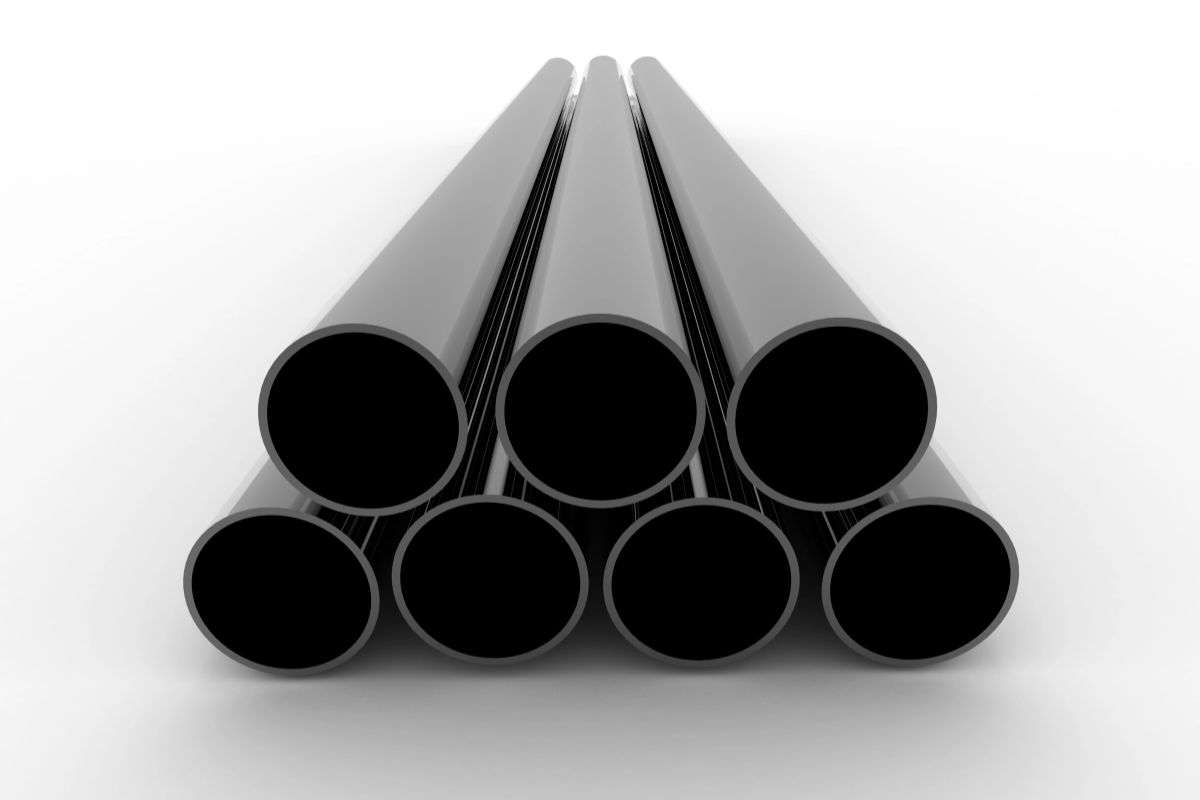
The type and thickness of the galvanized coating directly affect how well the pipe resists corrosion over time. You should check whether the pipe is hot-dip galvanized and confirm that the zinc coating thickness meets industry or project requirements.
A thicker and properly applied coating provides stronger protection against moisture, chemicals, and environmental exposure, which is especially important for outdoor and industrial applications.
Poor coating quality can lead to early rusting, leaks, and structural deterioration, increasing maintenance costs and downtime. Verifying coating specifications helps ensure long-term durability, reduced replacement frequency, and more reliable project performance.
Pipe Schedule (Wall Thickness)
Pipe schedule refers to the wall thickness of the galvanized pipe, which directly affects its strength, pressure capacity, and durability. You need to select the correct schedule based on the operating conditions and structural demands of your project. Thicker walls generally provide better resistance against pressure, impact, and mechanical stress, making them suitable for heavy-duty or high-pressure applications.
Using pipes with insufficient wall thickness can lead to deformation, leaks, or premature failure under load. Confirming the correct pipe schedule helps ensure structural reliability, compliance with engineering requirements, and long-term operational safety across the entire system.
Standards and Material Grades
Compliance with recognized standards and material grades helps you verify that the galvanized pipes meet required quality, safety, and performance benchmarks. You should check if the pipes comply with standards such as PNS, ASTM, or ISO certifications, as these confirm the material has undergone regulated testing and inspection.
Material grade also determines the steel’s strength, durability, and suitability for specific applications. Low-grade or non-compliant materials may fail under pressure, corrode faster, or create inspection issues during construction.
By reviewing certifications and material specifications, you reduce project risks and ensure the pipes can consistently perform under demanding operational and structural conditions.
Dimensions
Accurate pipe dimensions are critical for ensuring proper fit, alignment, and system compatibility during installation. You should verify specifications such as outer diameter, length, and dimensional tolerances to make sure the pipes match your project requirements and existing system components.
Inconsistent dimensions can lead to fitting problems, alignment issues, material waste, and installation delays on-site. Precise measurements are especially important in large-scale construction and industrial systems where even small deviations can affect overall performance. Confirming dimensional accuracy helps streamline installation, maintain workflow efficiency, and reduce costly adjustments or rework during construction operations.
Joint Type
The joint type determines how galvanized pipes connect within a system and directly affects installation efficiency, sealing performance, and long-term reliability. You should confirm whether the pipes use threaded, welded, grooved, or flanged connections based on your project’s operational and maintenance requirements.
Each joint type offers different advantages depending on pressure conditions, accessibility, and installation environment. Selecting the wrong connection method can lead to leaks, weak joints, or maintenance issues over time.
Proper joint compatibility also helps improve system stability and installation speed. By evaluating joint specifications early, you can avoid connection issues and ensure smoother construction and operational performance throughout the project lifecycle.
Choosing the Right Specifications for Your Application
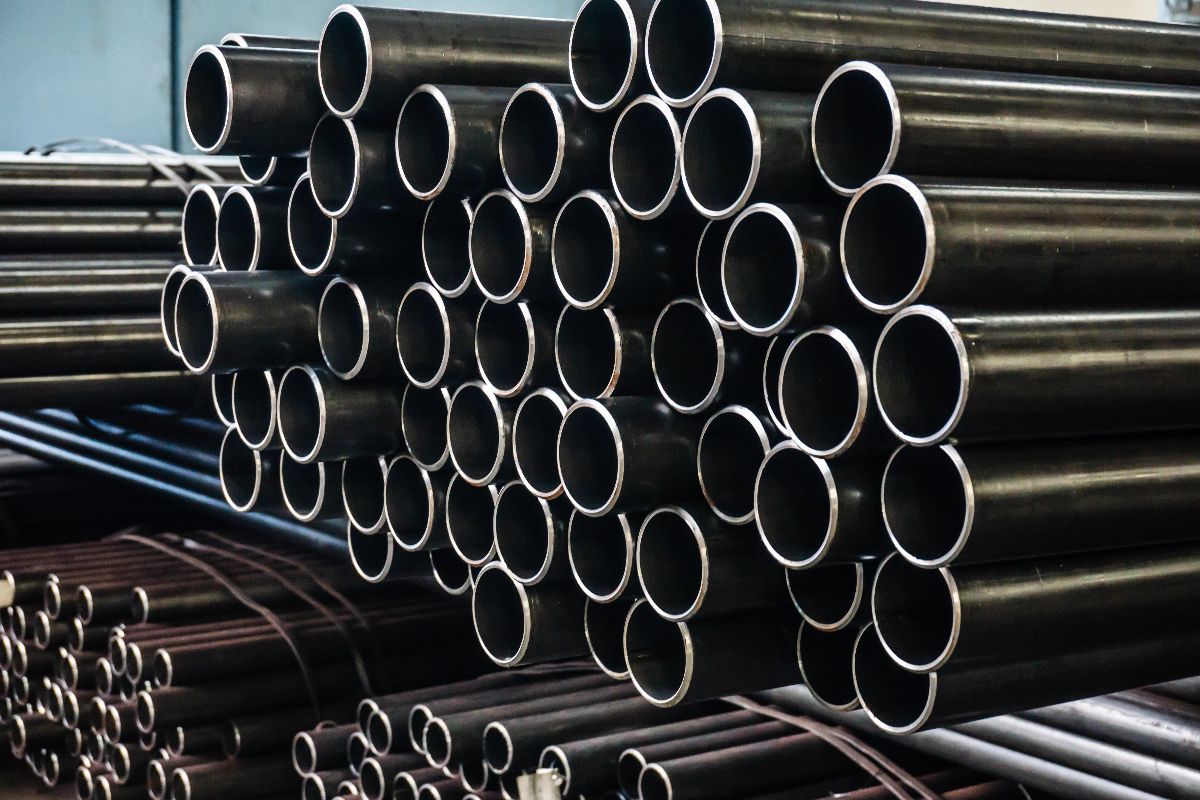
Here are key considerations to help ensure the galvanized pipe specifications match your project requirements and operating conditions.
- Matching specifications to project requirements – Ensure the pipe specifications align with your project’s pressure, structural, and environmental demands.
- Importance of consulting suppliers and technical documents – Review technical data sheets and consult suppliers to verify the correct specifications for your application.
- Examples of application-based specification needs – Water systems, structural frameworks, and industrial applications often require different pipe sizes, wall thicknesses, and coating standards.
Key Takeaway
Understanding what galvanized pipes specifications matter most is essential for ensuring your projects achieve the right balance of durability, safety, efficiency, and long-term performance. From coating thickness and wall schedule to material standards and joint types, each specification directly affects how the pipe performs under actual operating conditions.
For dependable galvanized pipe solutions, Supreme Steel Pipe delivers products manufactured to strict quality and compliance standards. Our products are designed to provide consistent strength, durability, and corrosion resistance across various applications. Contact us today to find the right specifications for your project requirements.
Share this blog