Overview
- This article explains how pipe classes, diameter, wall thickness, internal scaling, and joint quality affect water flow and structural performance.
- It also highlights common selection mistakes and how Supreme Steel Pipe provides quality GI pipe solutions to support demanding water and industrial applications.
Galvanized iron (GI) pipes are steel pipes coated with zinc to provide protection against corrosion and extend their service life. They are commonly specified for water distribution systems, but selecting the appropriate pipe requires more than choosing a readily available size.
Factors such as pipe diameter, wall thickness, class, pressure capacity, and internal condition can directly affect how efficiently water moves through the system and how well the pipe withstands operating demands.
Choosing the wrong specifications may result in restricted flow, pressure loss, leaks, or premature failure. This makes choosing GI pipes for water flow and strength an important part of planning a reliable water system.
Why GI Pipes Are Preferred for Water Systems
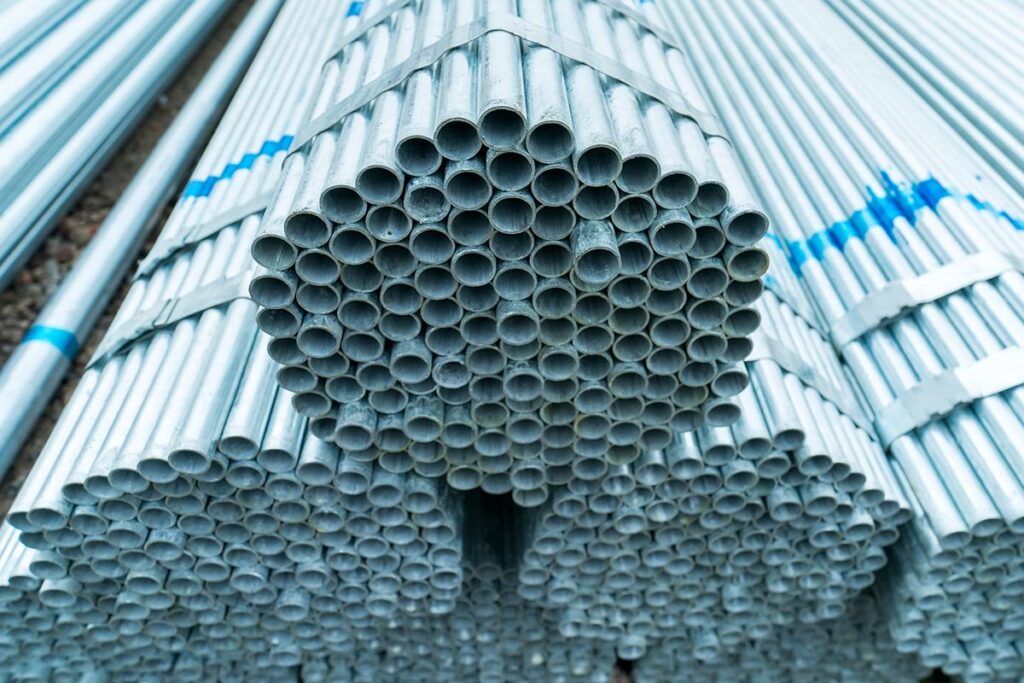
GI pipes provide a practical combination of corrosion resistance, strength, and durability for water distribution systems, making them suitable for residential, commercial, and industrial projects. Their zinc coating helps protect the steel from moisture and corrosion, while their mechanical strength supports reliable performance under varying pressure and installation conditions.
At Supreme Steel Pipe, we are a leading provider of top-quality galvanized iron pipe products, offering a wide range of sizes and specifications to meet different water system requirements.
Our products are designed to support demanding industrial and engineering applications, giving you dependable material options for projects where long-term performance and consistent quality are essential.
Choosing Pipe Classes for Strength
Choosing the right pipe class helps you match the GI pipe’s wall thickness and strength to your system’s pressure, load, and operating conditions.
Light Class (Class A)
For lower-pressure water systems and lighter-duty installations, Light Class or Class A provides a thinner wall construction with lower material weight. Typical wall thickness is approximately 2.0–3.6 mm, depending on the nominal pipe size.
It can be considered for applications such as light-duty water lines, irrigation, and other installations with relatively low pressure or mechanical demands. Before specifying this class, check the required pressure capacity and applicable standard for your project, as a lighter wall may not provide sufficient resistance for high-pressure systems or heavy external loads.
Medium Class (Class B)
For general water supply systems and applications requiring a balance of strength and material efficiency, Medium Class or Class B provides a thicker wall than Class A. Typical wall thickness falls around 2.6–5.0 mm, depending on pipe size.
This class is commonly specified for standard plumbing, water supply, and moderate-duty installations where the pipe needs greater pressure and mechanical resistance without moving to the heaviest classification. Check the pipe’s actual thickness, pressure requirements, and applicable specifications before selection to ensure it can handle your system conditions.
Heavy Class (Class C)
For water systems exposed to higher pressure, heavier loads, or more demanding operating conditions, Heavy Class or Class C provides the greatest wall thickness among the three classifications.
Typical wall thickness ranges from approximately 3.2–5.4 mm, depending on nominal pipe size. It can be specified for demanding applications such as high-pressure water systems, fire-water lines, and installations subject to greater mechanical stress.
However, a thicker wall should not automatically determine your selection; compare the required pressure rating, dimensions, and applicable engineering specifications with the actual Class C product offered.
Optimizing for Water Flow
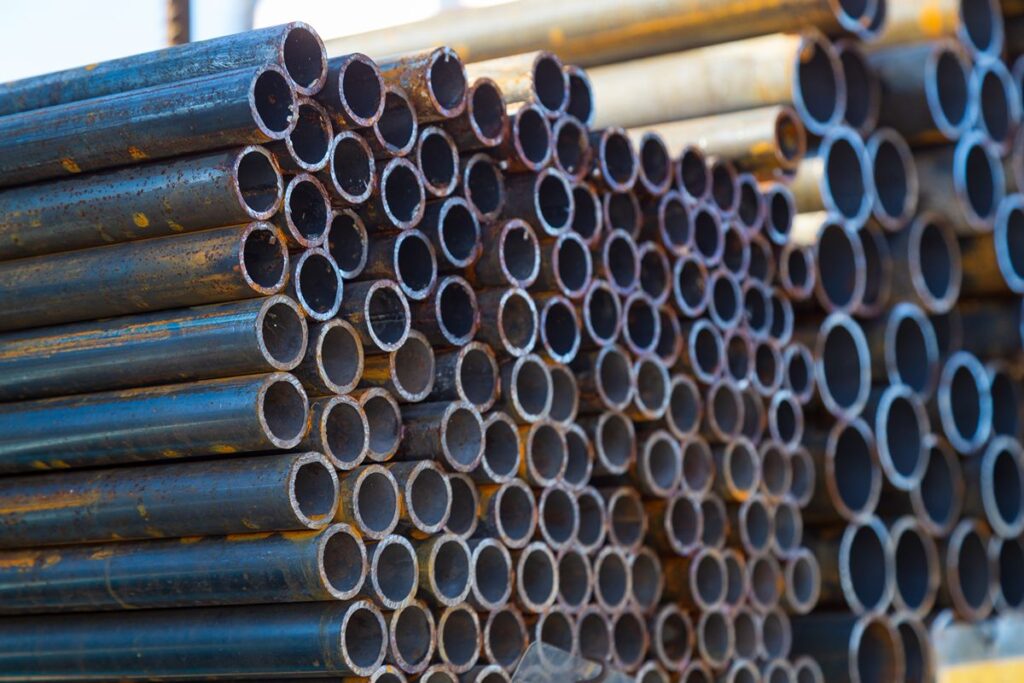
Here’s how to choose GI pipe specifications that support efficient water flow and minimize unnecessary pressure loss.
Diameter Size
Choosing the appropriate diameter helps ensure the pipe can accommodate the required water volume without creating unnecessary flow restrictions. You should determine the expected flow rate and select a diameter that provides sufficient internal capacity for the system.
A pipe that is too small can increase resistance and pressure loss, while an unnecessarily large pipe may increase material and installation costs. Matching the diameter to your system requirements helps maintain efficient water movement and consistent pressure throughout the distribution network.
Inner Scaling
Keeping the inner surface free from excessive scale and deposits helps preserve the pipe’s available flow area. Over time, mineral deposits can build up along the interior walls, reducing the effective diameter and increasing resistance to water movement.
You can help minimize this issue through proper water treatment, regular inspection, and maintenance where required. Checking the internal condition of existing pipes is also useful when replacing or extending a system. Maintaining a clear internal passage supports more consistent flow and helps prevent gradual reductions in system efficiency.
Smooth Joints
Properly fitted joints help maintain smooth water movement and minimize leaks or pressure loss throughout the system. During installation, ensure that connections are properly aligned, sealed, and compatible with the GI pipes and fittings.
Welded joints, where permitted for the specific application and pipe specification, can provide strong, secure connections when properly executed, while threaded or flanged connections may be selected based on system requirements.
Poorly fitted, misaligned, or improperly welded joints can create flow restrictions, turbulence, or weak points. Using the appropriate joint type and following proper installation practices helps maintain consistent flow and system performance.
Common Mistakes to Avoid
Avoid these common errors to ensure your GI pipes can meet your system’s flow, pressure, and durability requirements.
- Choosing Light Class for High-Pressure Systems – Select a pipe class with sufficient wall thickness and pressure capacity for the system’s operating conditions.
- Undersizing Diameter – Choose a diameter that can accommodate the required water flow without causing excessive pressure loss.
- Ignoring Environmental Exposure – Consider moisture, chemicals, and other environmental conditions that may accelerate corrosion or affect pipe performance.
- Skipping Certifications – Verify certifications and test documents to confirm that the GI pipes meet applicable quality and safety standards.
Key Takeaway
Choosing GI pipes for water flow and strength requires careful consideration of pipe class, diameter, wall thickness, coating, joint compatibility, and operating conditions. Matching these specifications to your water system helps maintain efficient flow while providing the strength and durability needed for long-term performance.
For dependable GI pipe solutions, Supreme Steel Pipe provides quality products designed for demanding water and industrial applications. If you need a supplier that can support your project requirements, let us help you select the right GI pipe specifications. Contact us today to discuss your project needs and available GI pipe options.
Share this blog