Why accreditation matters when selecting spiral pipe suppliers?
- Guarantees Product Quality
- Ensures Regulatory Compliance
- Mitigates Project Risk
- Consistency and Reliability
- Safety Assurance
Overview
- Choosing an accredited spiral pipe supplier helps ensure product quality, regulatory compliance, and reliable performance for construction and industrial projects.
- The article explains how certifications reduce project risks by guaranteeing consistent manufacturing, safety, and compliance with local and international standards.
- Supreme Steel Pipe provides certified spiral pipes that meet strict quality requirements, giving businesses confidence in the durability and reliability of their materials.
Accreditation refers to the formal recognition that a steel supplier meets established quality, safety, and performance standards set by recognized organizations. Since spiral pipes are used in critical applications such as structural support, water systems, and industrial projects, the credibility of the supplier becomes just as important as the product itself.
With many options available in the market, understanding these standards helps you make informed decisions. In this article, we will explore the reasons why accreditation matters when selecting spiral pipe suppliers.
Guarantees Product Quality
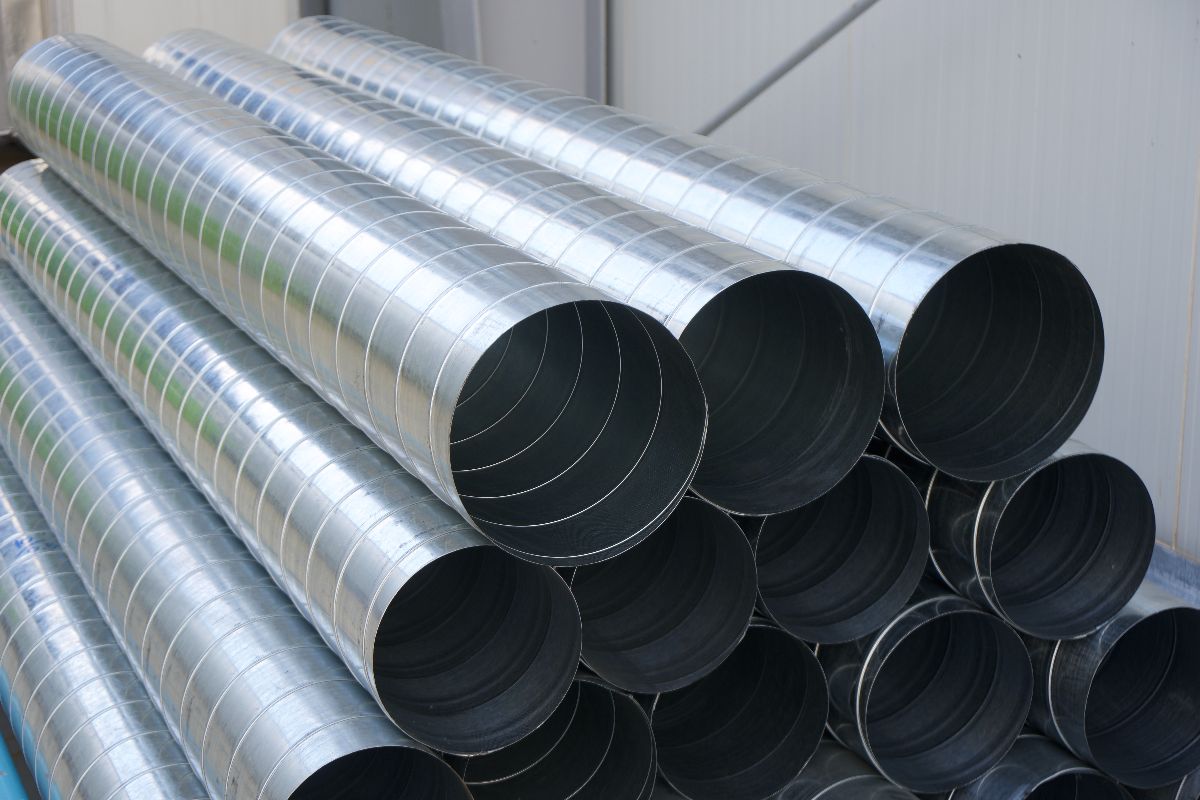
Recognized certifications give you confidence that spiral pipes are manufactured under strict production and testing standards, ensuring dependable steel pipe quality for demanding applications.
This level of quality becomes especially critical in water transmission or drainage pipeline systems, where substandard pipes can cause leaks, corrosion, and costly excavation repairs that disrupt operations and increase project downtime.
With proper accreditation, you can be assured that each pipe undergoes rigorous evaluation through processes such as non-destructive testing and dimensional inspections to confirm compliance with required specifications. This provides documented proof that the materials meet established performance benchmarks for structural and industrial applications, rather than relying solely on supplier claims.
Ensures Regulatory Compliance
The government enforces strict construction codes to ensure the safety, durability, and quality of every project. These standards require spiral pipes to meet specific specifications for strength, composition, and dimensions as mandated by local authorities.
This becomes especially important during site inspections, where the use of non-compliant materials can lead to project delays, penalties, or costly rework. Suppliers with Product Standard (PS) Mark and ISO certifications provide verified documentation that confirms full adherence to both legal and engineering requirements, helping your project progress smoothly while avoiding regulatory setbacks and compliance-related risks.
Mitigates Project Risk
Corrosion, structural failure, or installation defects can occur in your projects if spiral pipes are not properly manufactured or tested. These issues can lead to unexpected repair costs, material replacements, and schedule overruns that ripple through other trades on-site.
Suppliers with recognized accreditation mitigate these risks by enforcing standardized manufacturing processes and traceable quality documentation, giving you a paper trail to point to if a defect surfaces after installation. Rather than repeating the same testing methods already covered above, the real risk reduction comes from accountability: certified suppliers can be held to their documented process, while uncertified ones leave you with no recourse if a batch underperforms.
Consistency and Reliability
Just like other construction materials, consistency and reliability are essential to the success of your project. When you work with a supplier that follows standardized production methods, you ensure that every batch of spiral pipes meets uniform specifications.
This means you receive consistent sizing, wall thickness, coating quality, and overall performance, all of which are critical for smooth installation and proper system alignment on-site.
This level of uniformity helps you avoid issues such as misfitting components or weak structural points caused by material variation. With reliable supply processes and strict quality checks in place, you can plan procurement more efficiently and maintain a steady workflow without interruptions from inconsistent materials or fluctuating product standards.
Safety Assurance
Spiral pipes are highly versatile and widely used in applications such as structural support systems, where load-bearing performance directly affects worker and occupant safety. Certified spiral pipes give you confidence that the materials have undergone rigorous testing for strength, pressure resistance, and structural durability.
In structural applications, for example, an uncertified pipe that fails under load can compromise an entire support system, putting crews and future occupants at risk long after the project is complete. Compliance with engineering standards ensures proper load-bearing capacity and performance under stress conditions. This guarantees that the pipes can withstand operational demands while maintaining long-term structural integrity and protecting both workers and end users.
Key Accreditations/Standards to Look For
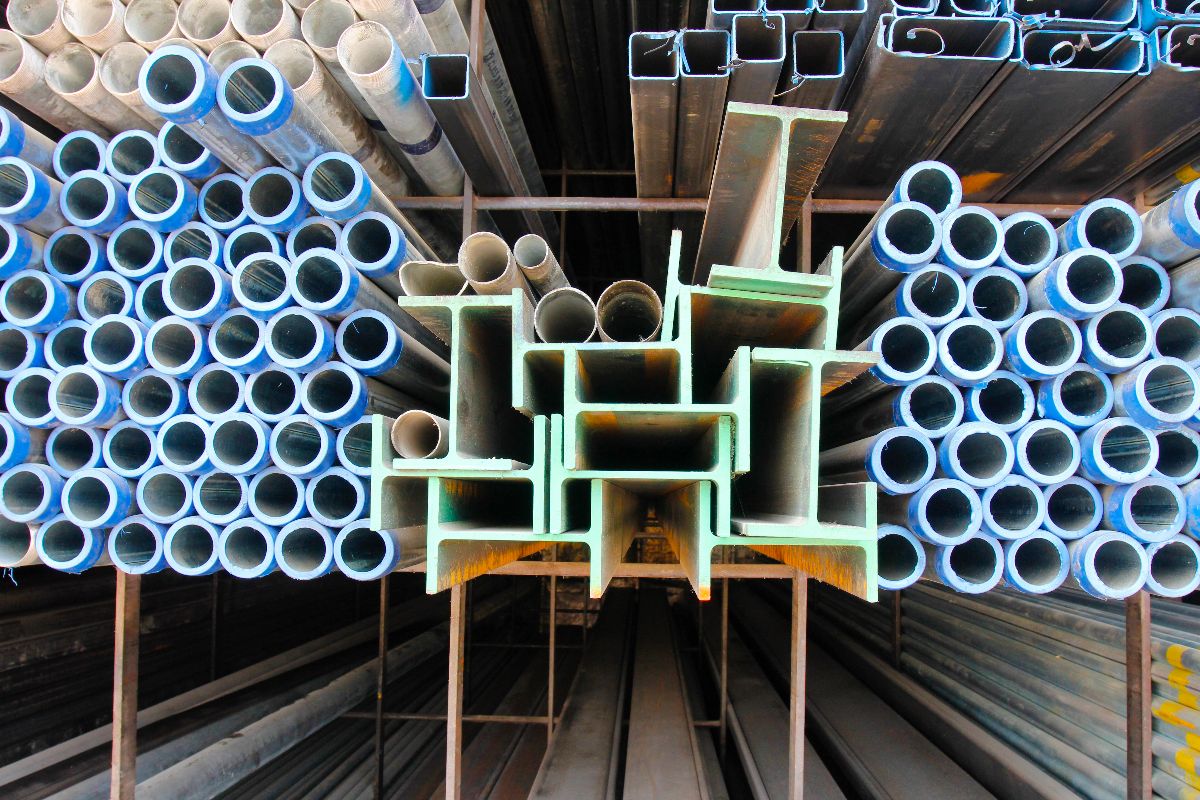
Here are the key certifications and standards you should check to ensure your spiral pipe supplier meets quality, safety, and regulatory requirements.
- ISO 9001:2015 – This is an international standard for quality management systems, ensuring the supplier follows consistent, well-documented processes to deliver reliable and high-quality products.
- API 5L – This standard specifies requirements for line pipes used in oil and gas transmission, ensuring strength, durability, and performance under high-pressure conditions.
- ASTM/NSF/UL – These are globally recognized standards that cover material quality (ASTM), health and safety for water systems (NSF), and product safety certification (UL) across various applications.
- PNS (Philippine National Standard) – These are locally mandated standards that ensure materials used in construction comply with Philippine regulations for safety, quality, and performance.
Supreme Steel Pipe: A Certified Spiral Pipe Supplier You Can Trust
We ensure you can trust every spiral pipe we deliver by backing our products with strict compliance and globally recognized certifications. Our ISO Certification from TÜV Rheinland verifies that our safety standards, management systems, manufacturing processes, and personnel qualifications meet rigorous international requirements.
This means you receive spiral pipes that are consistently tested for strength, sizing, thickness, finish, and fitting. Our PS Mark certification further guarantees that all products comply with Philippine National Standards, ensuring safety and quality for local construction use. With these certifications, you can rely on us to provide performance-tested spiral pipes for your projects.
Key Takeaway
Finding out why accreditation matters when selecting spiral pipe suppliers is essential if you want to ensure product quality, safety, and compliance in every construction project.
Certified suppliers give you a documented, accountable standard to hold them to — one that protects your timeline, your budget, and the people who will ultimately rely on the finished structure.
For reliable spiral pipe solutions, Supreme Steel Pipe’s ISO-certified and PS Mark-compliant products are backed by the same standards covered above. Partner with us to ensure consistent quality, safety, and performance in every build.
Share this blog